Three Beans:
Stories from hotel bars
Travelling rarely begins with a sense of ease. It begins with a weight on your mind. Suitcases rolling along the tarmac. A voice from the sat-nav that’s always right. Motorway service station coffee that tastes of haste. Traffic jams that feel like a test. And that thought, just before you arrive: I hope I’ve thought of everything.
When I arrive at my destination, I’m still carrying the weight of everyday life with me. Not just in my suitcase. In my head. The last deadline. The packed diary. Handover tasks that won’t sort themselves out. I stand in the room, push the curtain aside, glance out briefly – and let the suitcase fall to the floor. A silent act of defiance. I’m here, but I haven’t quite arrived yet.
Arrival at the hotel bar
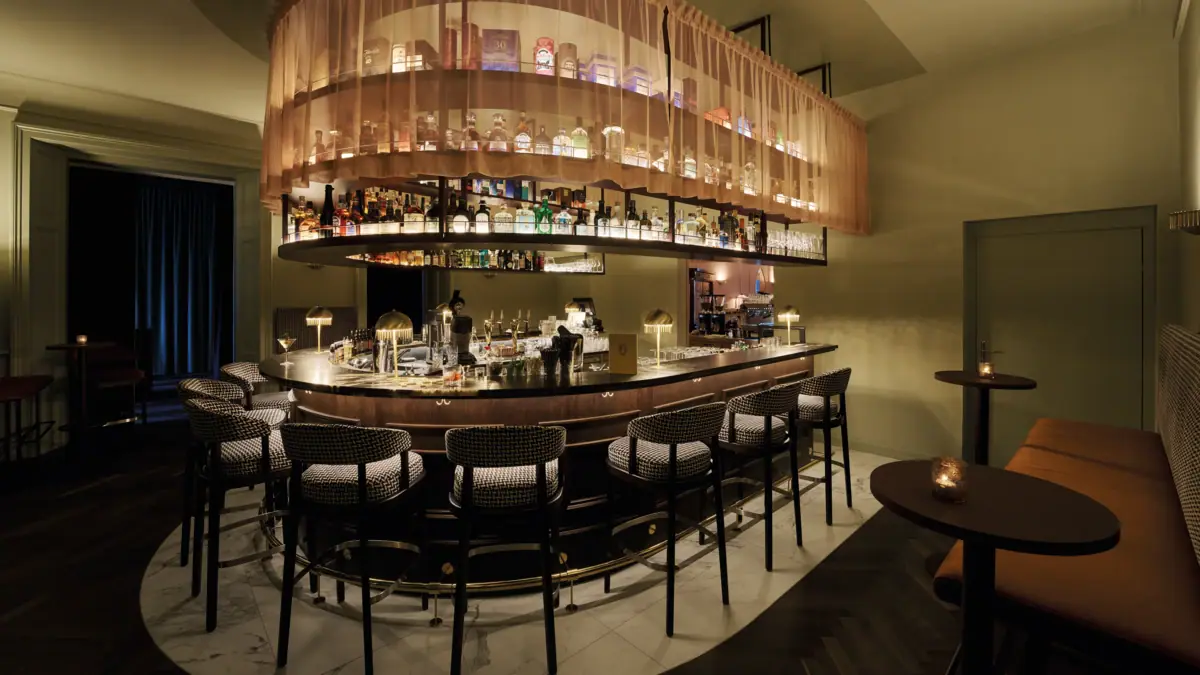
So I carry on. Down. To where time passes differently. Into the bar.
“An espresso martini, please.” Always.
Hotels are places you can borrow. For a night. A weekend. A week that sometimes feels longer than the whole month before it. You sleep in strangers’ beds. You read under unfamiliar lamps. You hang your clothes in unfamiliar wardrobes, as if it were the most natural thing in the world. And yet, as soon as you close the door behind you, something is supposed to fall away: the relentlessly ticking clock, the ‘just a moment’, the ‘just for a minute’.
In many hotels, this doesn’t happen in the room, but downstairs. Amidst stone, wood and glass. Amidst voices that grow quieter as soon as the evening begins.
The bar is often the first threshold between being on the move and arriving: here, nobody asks what time it is. Here, someone is more likely to ask: ‘With or without alcohol?’ – and what they really mean is: how do you want to arrive?

Exhale as you take your first sip
I’m not ordering the Espresso Martini out of curiosity. It’s my test, though it doesn’t feel like one. A glass that reveals more than just caffeine and vodka. Rather, it shows whether someone takes the time. Whether someone listens without asking questions.
And yes: I don’t want to start my break on a disappointing note. Not with a first sip that’s too sweet, too warm, too bland. That first moment counts.
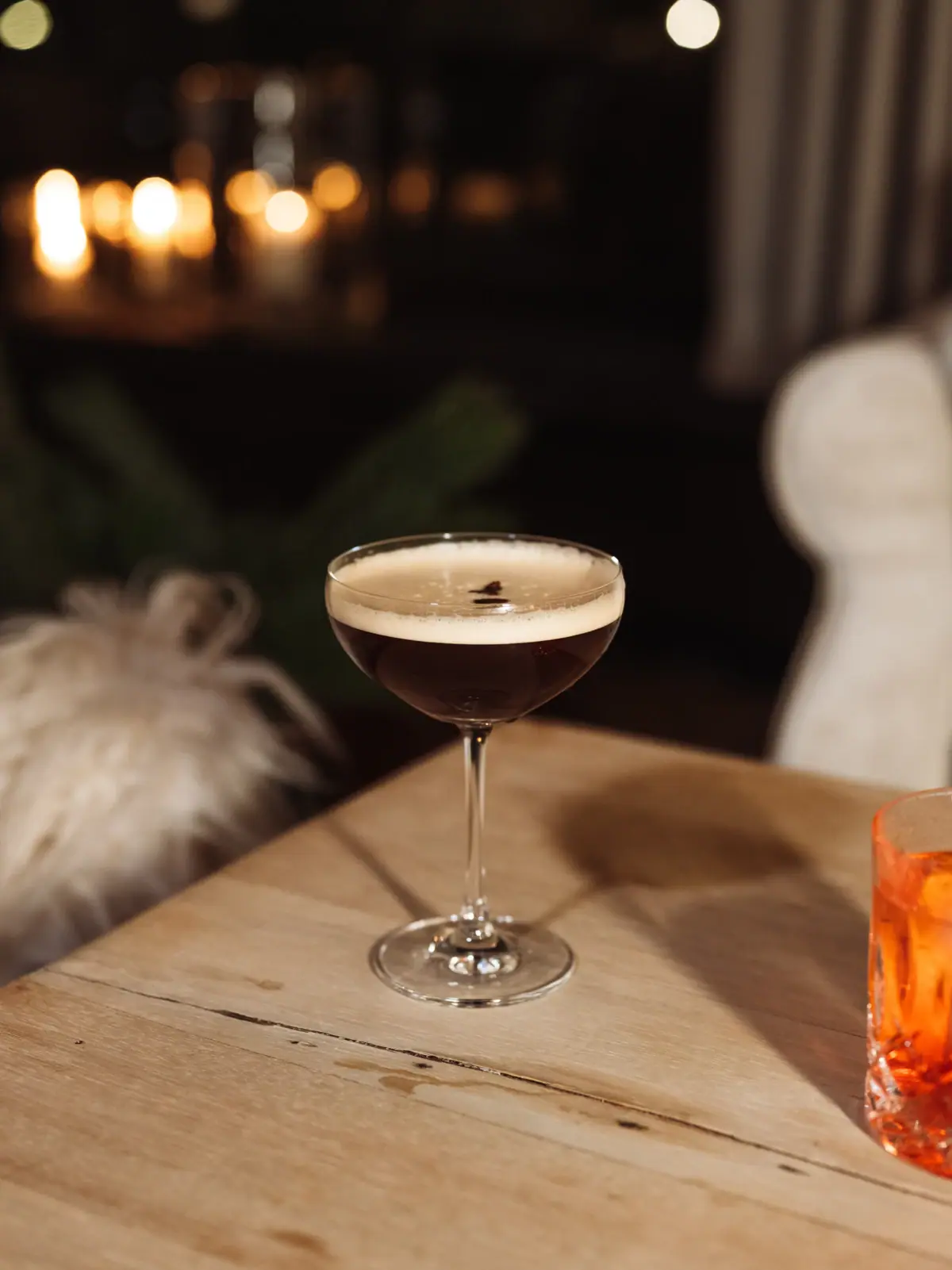
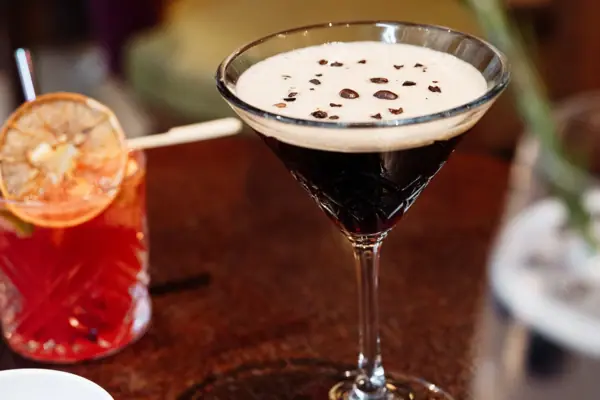
The drink arrives. The glass feels cool in my hand. The foam is thick, almost like a blanket. On top: three beans, carefully placed, as if someone had briefly brought some order to the evening.
The first sip isn’t a ‘Mmm’. It’s a breath, deep into the belly. Sometimes a wisp of foam clings to the lips, just for a second. A slight irritation that’s just right: you’re here. Now.
At that moment, something inside me quietens. ‘Now you may,’ I think. It’s permission to breathe out, which I’m finally granting myself.
A glimpse of our hotel bars
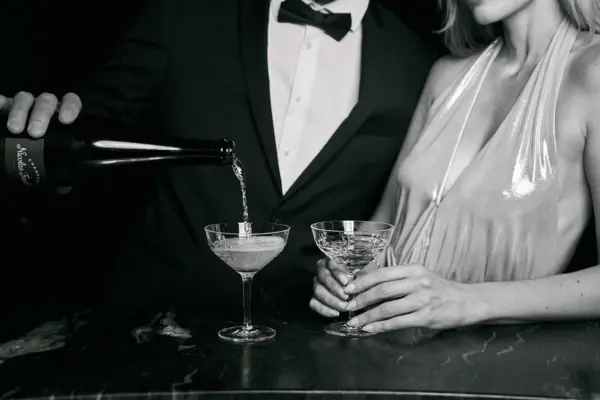
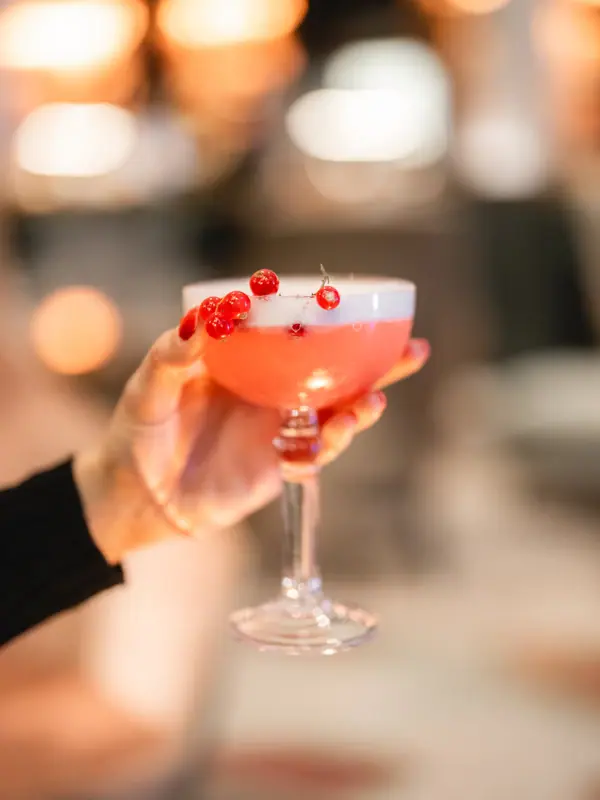
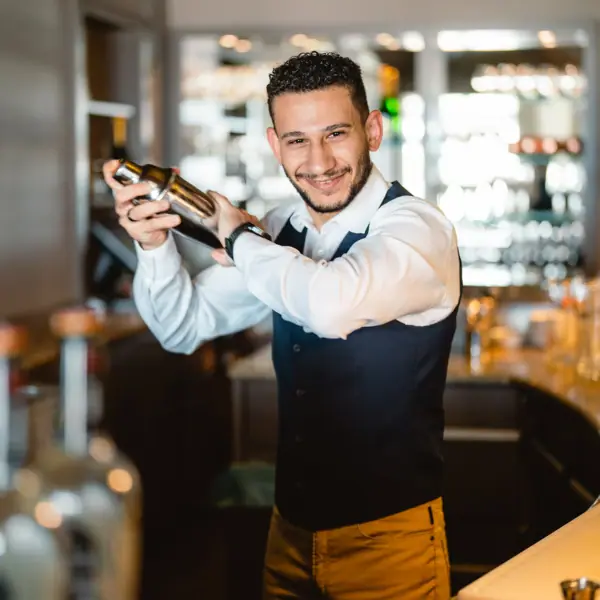
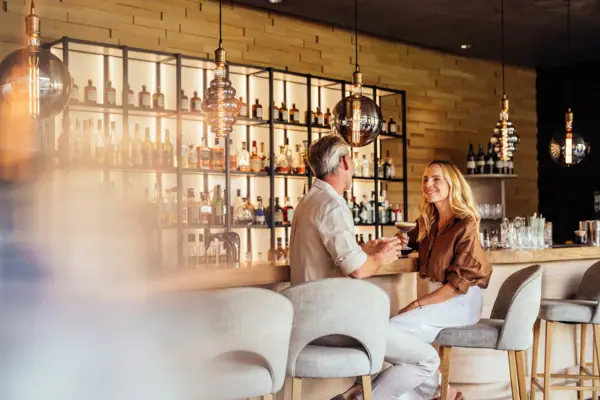
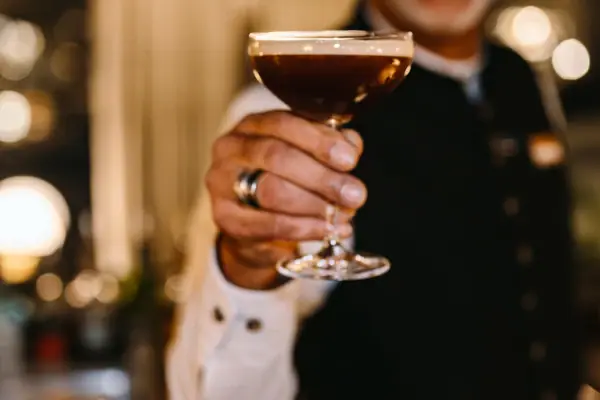

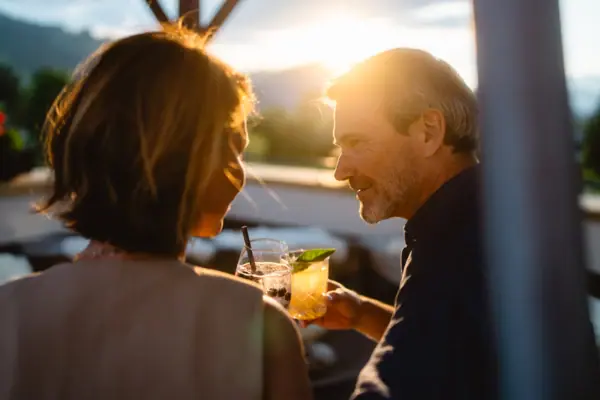
Espresso Martini
in our hotel bars
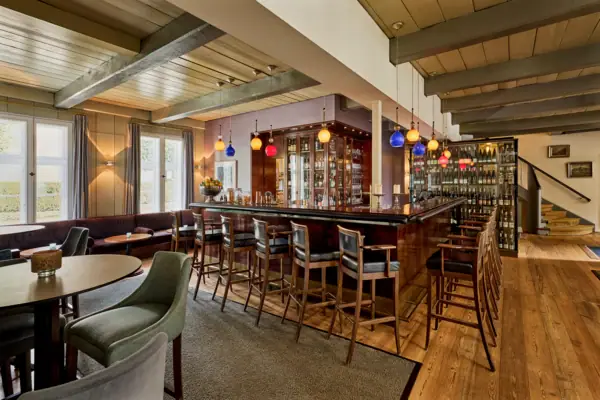
Hotel bar at the Louis C. Jacob
This is where my holiday begins quietly. Outside, the Elbe flows darkly past the windows, as if someone had dimmed the lights on the world. Inside, the clink of ice, the brief hiss of the coffee machine, a shaker.
Here, it’s not about showing off, but about getting on with the job. The espresso martini is tart, crisp and understated. A drink that acts as if it has nothing to prove – and that’s precisely why it wins you over.
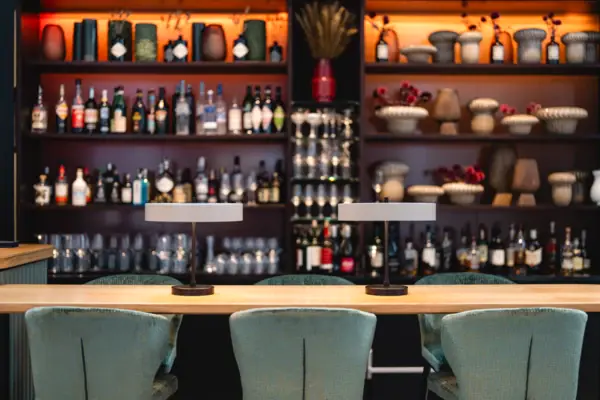
’s hotel bar at A-ROSA Sylt
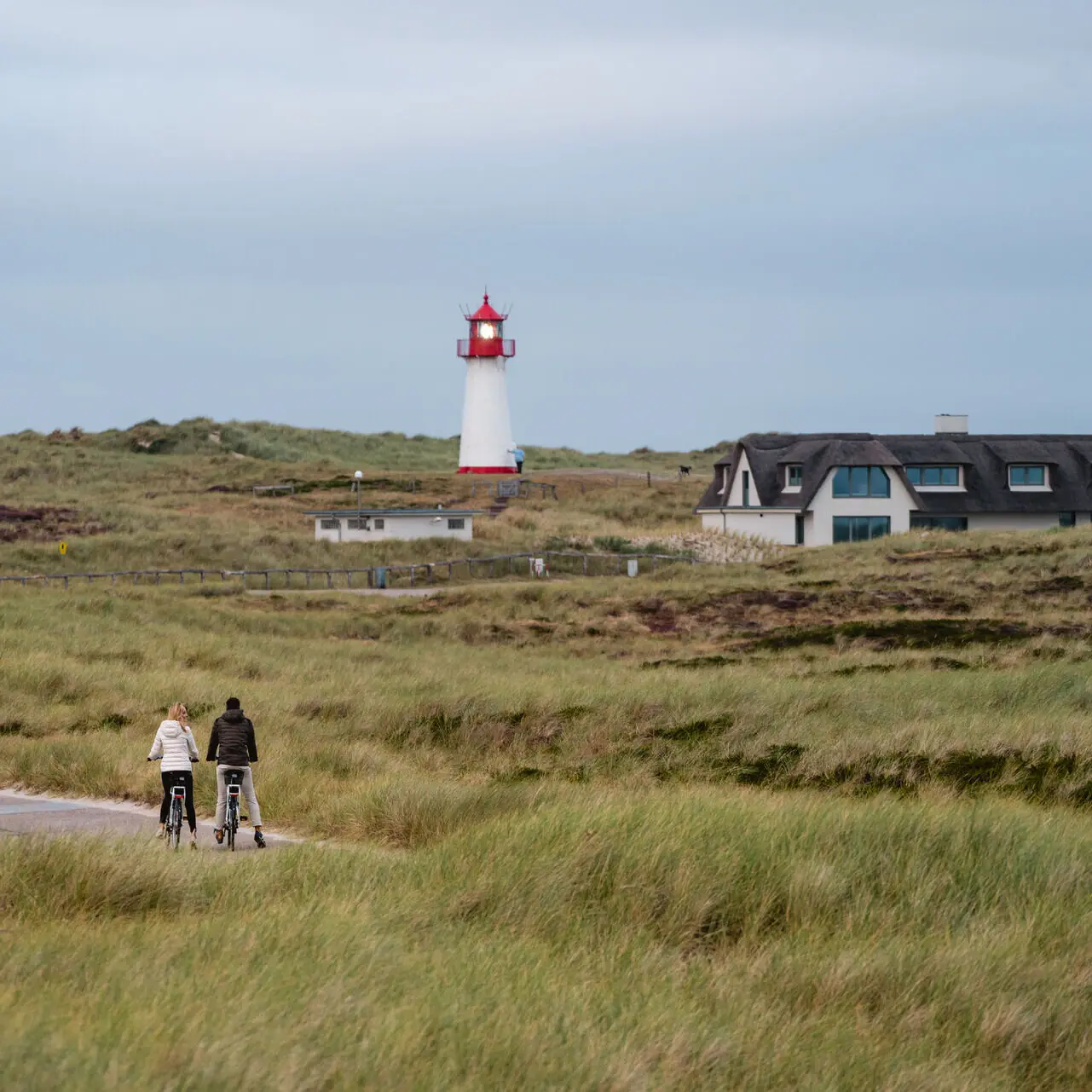
In the hotel bar at the A-ROSA Hotel on Sylt, everything is in motion. Outside, the wind and the dunes; inside, a sense of precision that feels alert and vibrant. The foam holds its shape, as if it had paused for a moment, even though everything around it keeps moving.
Perfect craftsmanship as an invitation: Come in. Leave the outside world behind.
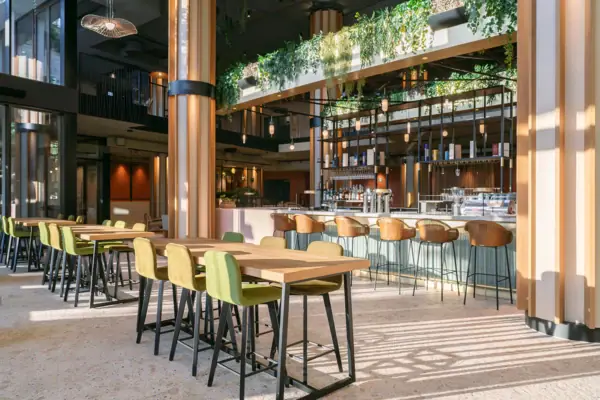
Hotel bar at A-ROSA Lake Garda
At Lake Garda, I order it non-alcoholic, because here you can. Summer, water, lightness, without any heaviness. Perhaps the purest moment of all, because nothing distracts from the flavours: no intoxication, just perfect harmony on the palate. A drink like a bright afternoon that doesn’t ask when it should end.
Bar at the Gothisches Haus
In the hotel bar of the A-ROSA Wernigerode, in the Gothisches Haus, you hear a crackling sound with the first sip. Crushed beans adorn the foam, adding a subtle crunch. It suits the walls, steeped in history:
Here, the drink tastes a bit like ‘the old days’, but not in a nostalgic way. More like something solid.
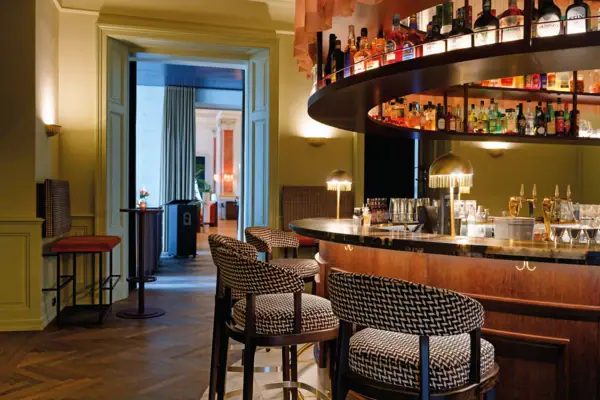
Hotel bar at the Grand Hotel Bad Gastein in Straubing
In the hotel bar at the Straubinger Grand Hotel in Bad Gastein, the espresso martini is smoother. Sweeter and rounder, as if the evening were set to last longer than planned. A place for second rounds. For people who aren’t in a hurry to be anywhere else.
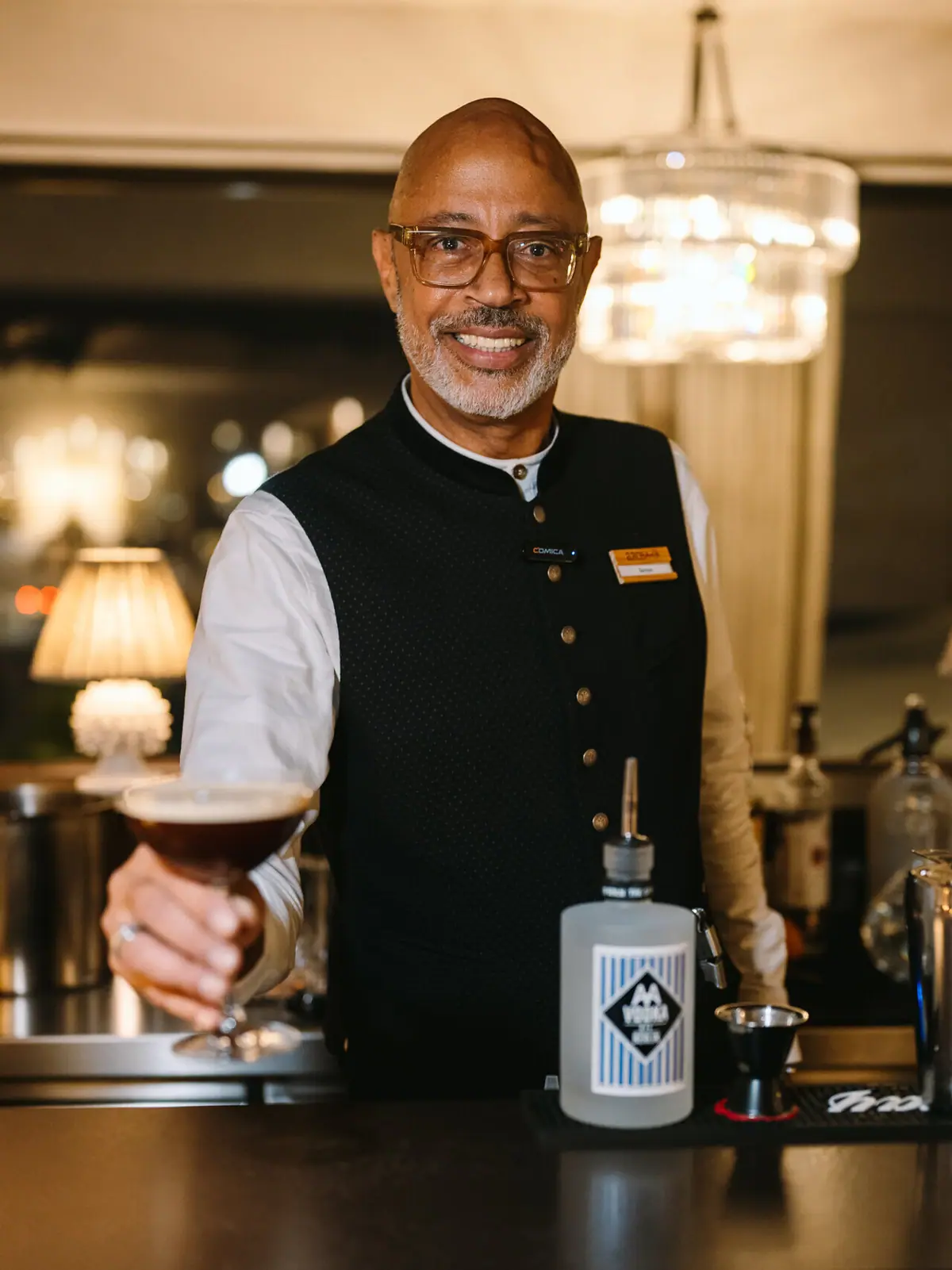
Every house tells the story differently
Every home tells it differently. In the recipe and in the way it’s presented. Whether with a single sentence. With a smile. With a brief glance that says: I understand.
And every glass tells me, in its own way: ‘You’re welcome to settle in now.’
The bartenders are the silent hosts of these transitions. They don’t play the leading role – and that’s precisely what makes them so important.
They know who wants to talk. Who needs peace and quiet. Who’s just looking for a tip so they don’t go down the wrong path tomorrow. And who simply wants to be there, without having to explain themselves.
They facilitate encounters without drawing attention to themselves. They keep a space open without taking it over.
Perhaps that’s why you so quickly feel at home in good hotel bars: because there’s someone there thinking along with you, so that you, at last, can stop thinking for yourself.
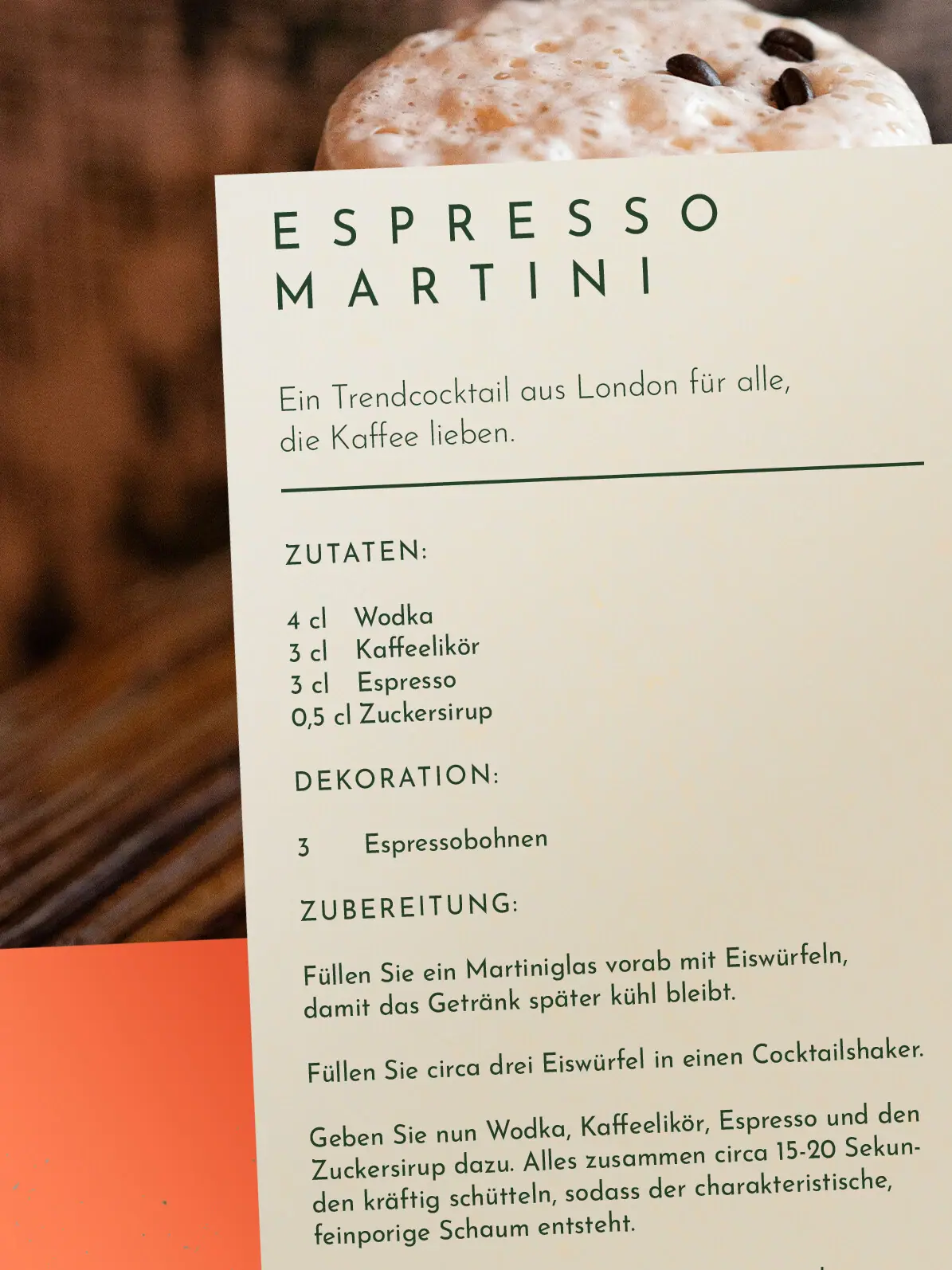
The Anchor on the Move
At some point, I ask about its history. And I suddenly realise why I keep ordering it.
The Espresso Martini was probably created in the 1980s, somewhere in London between the club lights and exhaustion. A drink that lies between waking up and getting drunk. Between control and letting go.
That’s exactly the state travellers know so well: you’re on the move. Yet you’re still looking for something to hold on to. You’re leaving the familiar behind. And you need new anchors.
For some, it’s a walk. For others, a bath. For me, it’s this glass, which feels briefly cool in my hand and lets time flow.
On the last evening, I order it again. Not to arrive, but to consciously set off.
I sit. I look. I breathe.
The barman gives me a nod. We know each other now. Not really. But enough for that little feeling to flicker within me – the one you’re sometimes gifted on holiday: that a place has briefly taken you in.
Three beans lie on the foam. They say they symbolise health, prosperity and happiness. I don’t know which of these will remain. And perhaps I don’t need to know.
All I know is this: travelling is all about transitions. And sometimes it takes no more than a moment to notice them.
For me, the journey begins with a glass. And ends with the feeling of having arrived, somewhere along the way.
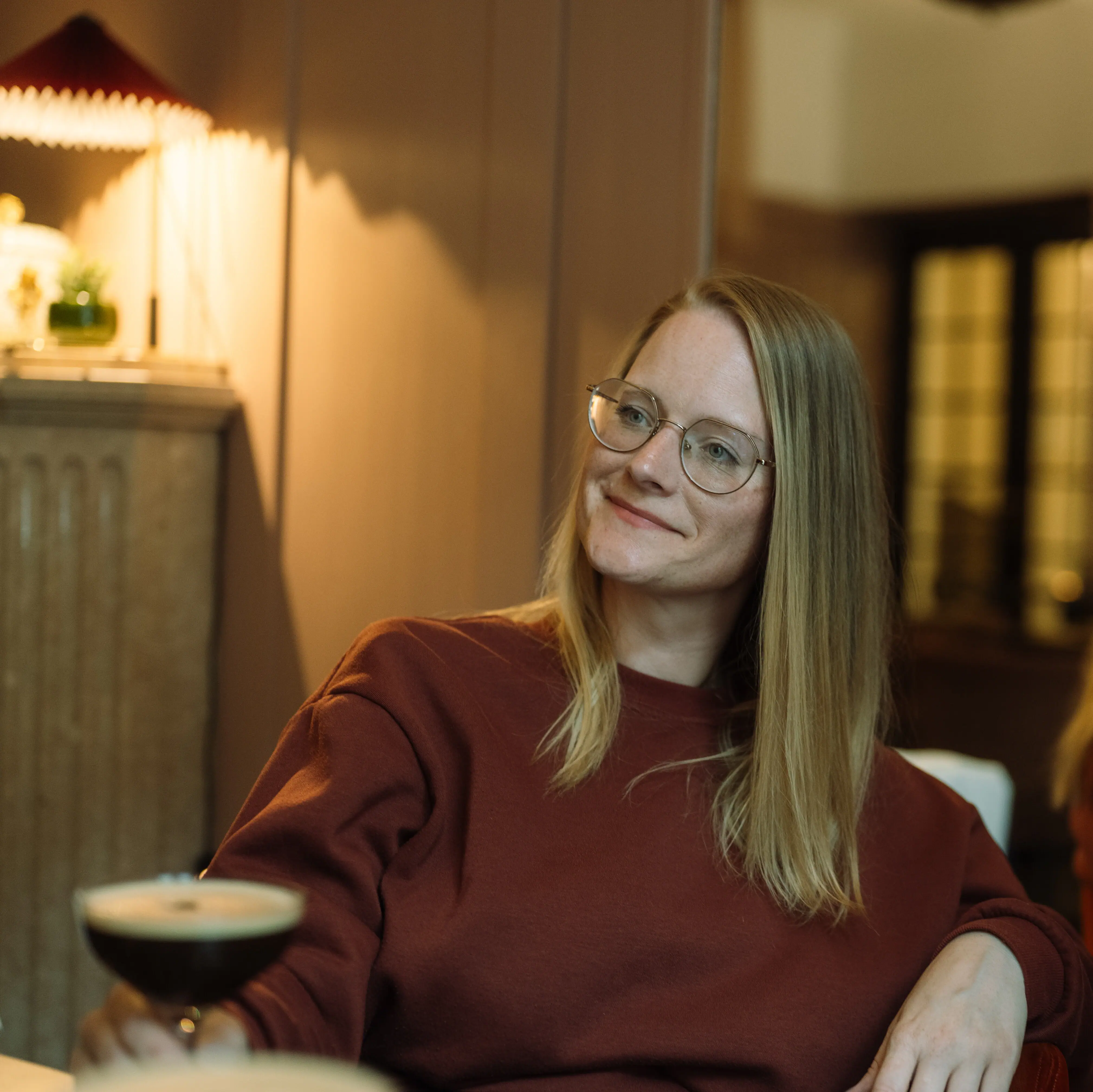
About the author:
Sina Kreyenberg
As Senior Content Marketing Manager at DSR Hotel Holding GmbH, Sina Kreyenberg gets projects off the ground that don’t yet have a clear direction. She develops ideas, manages processes and brings stakeholders together — ideally in areas where there’s still room for innovation and where speed is of the essence. Before joining DSR in 2024, she gained experience at Urban Nature Hotels, where she was tasked with bringing the newly created brand to life through its content.