Ronny Kallmeyer
For the love of the Harz

An evening at the
kitchen table with
Ronny Kallmeyer

An Evening of Indulgence

“A warm welcome”
at Ronny’s kitchen table
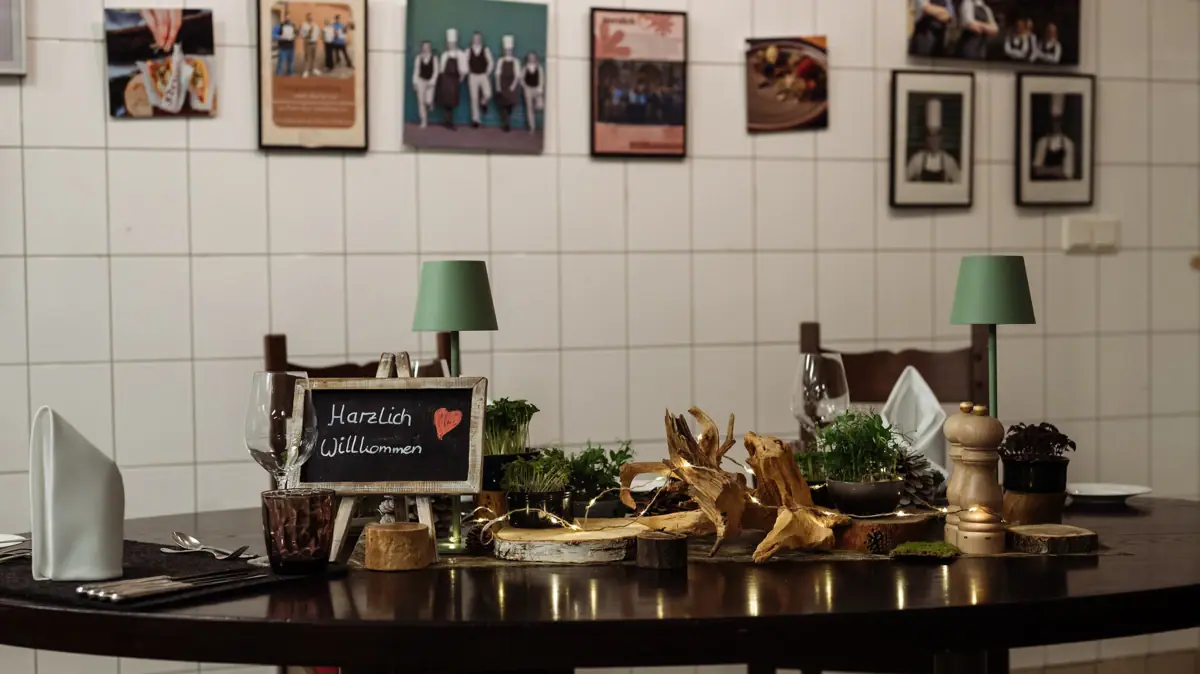
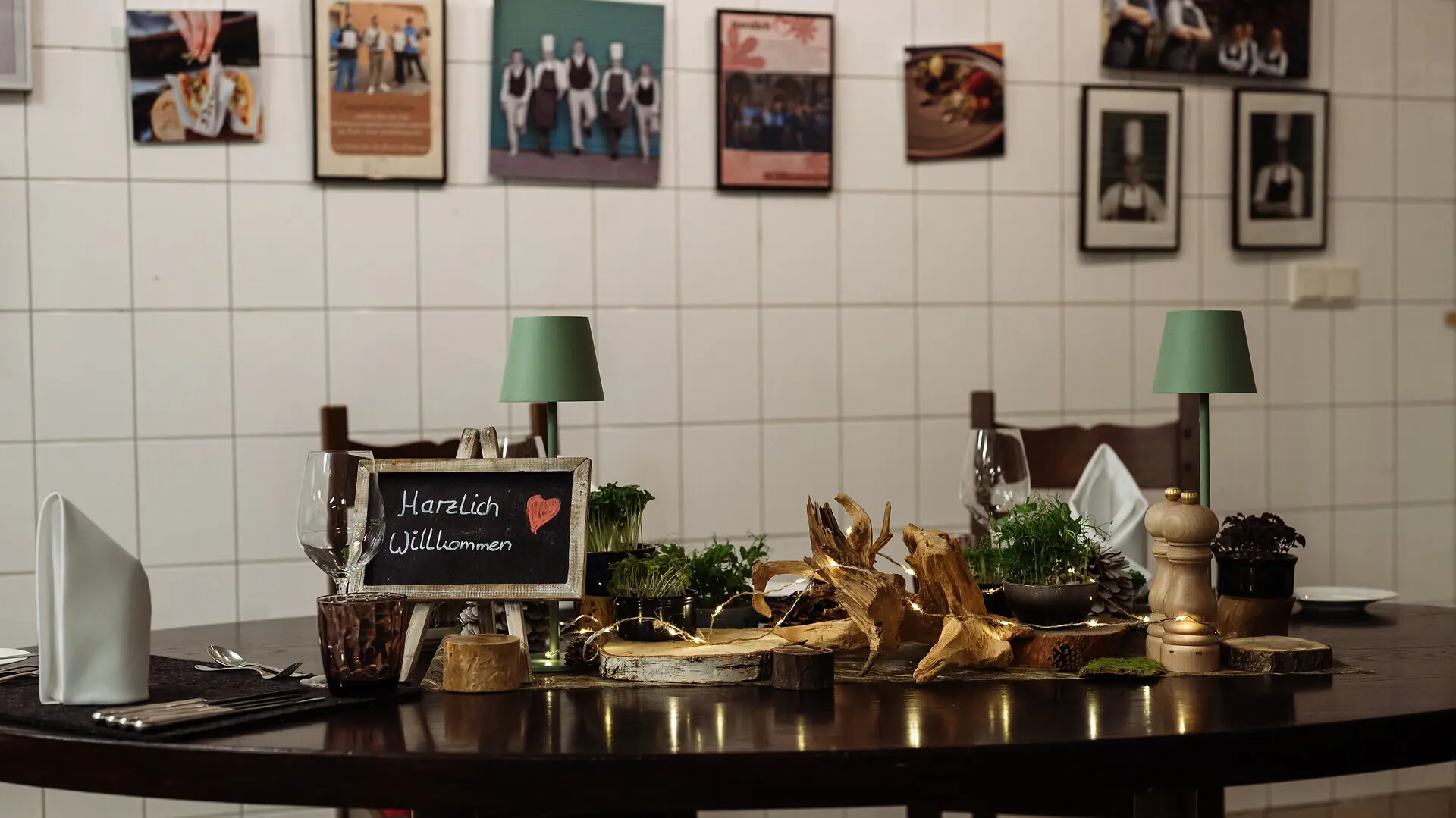
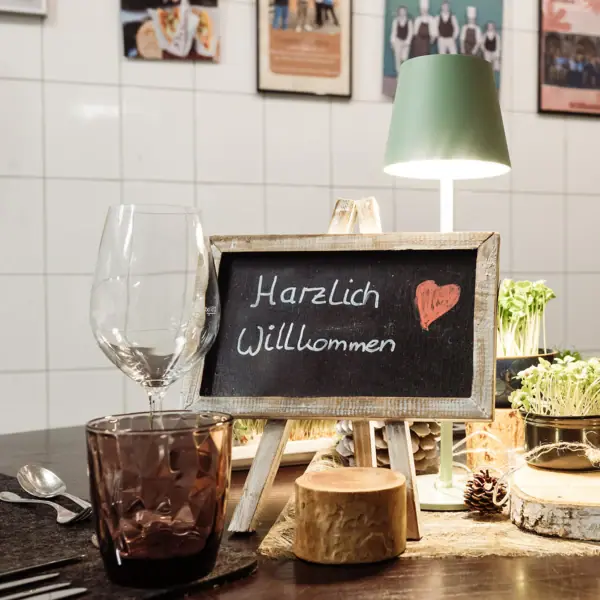
A laid table in a kitchen with a sign and glasses on it.

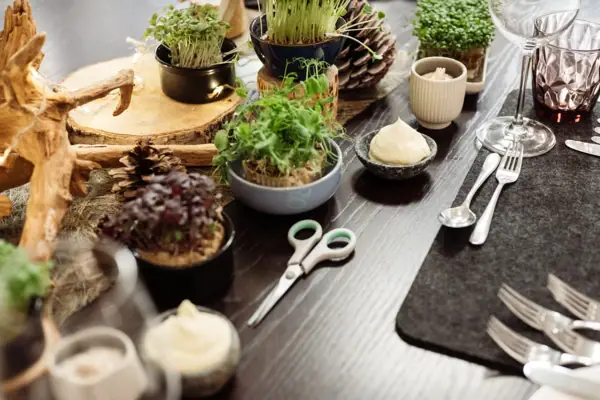
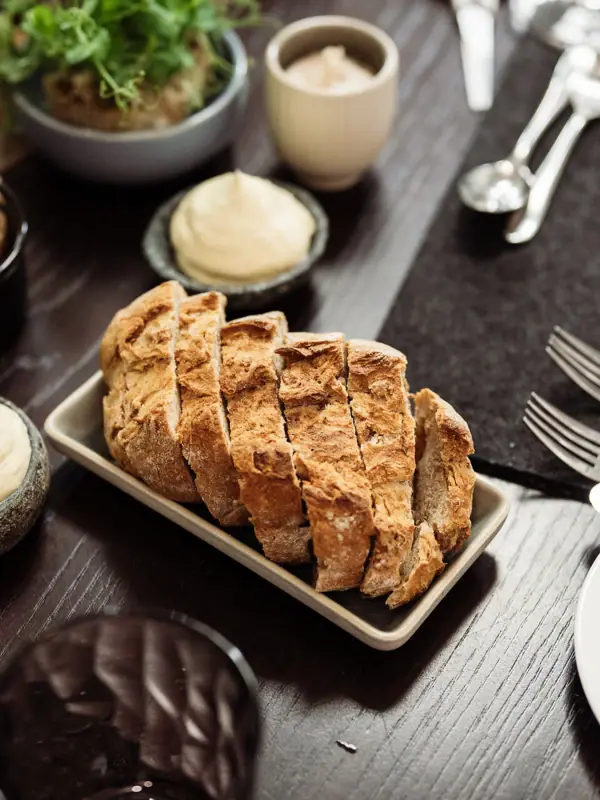
Sitting at the kitchen table, you can tell we’re expected. The table is laid out – fresh bread from the Silberbach bakery, which everyone here knows, butter, lard, and various types of cress. A small pair of scissors is laid out alongside them. They’ve thought of everything. Ronny takes a moment to greet us warmly, giving us a brief insight into what to expect, which courses are coming up, and how the evening will unfold. Then he turns round and is back in the thick of things. A small sign says the rest: ‘A warm welcome.’

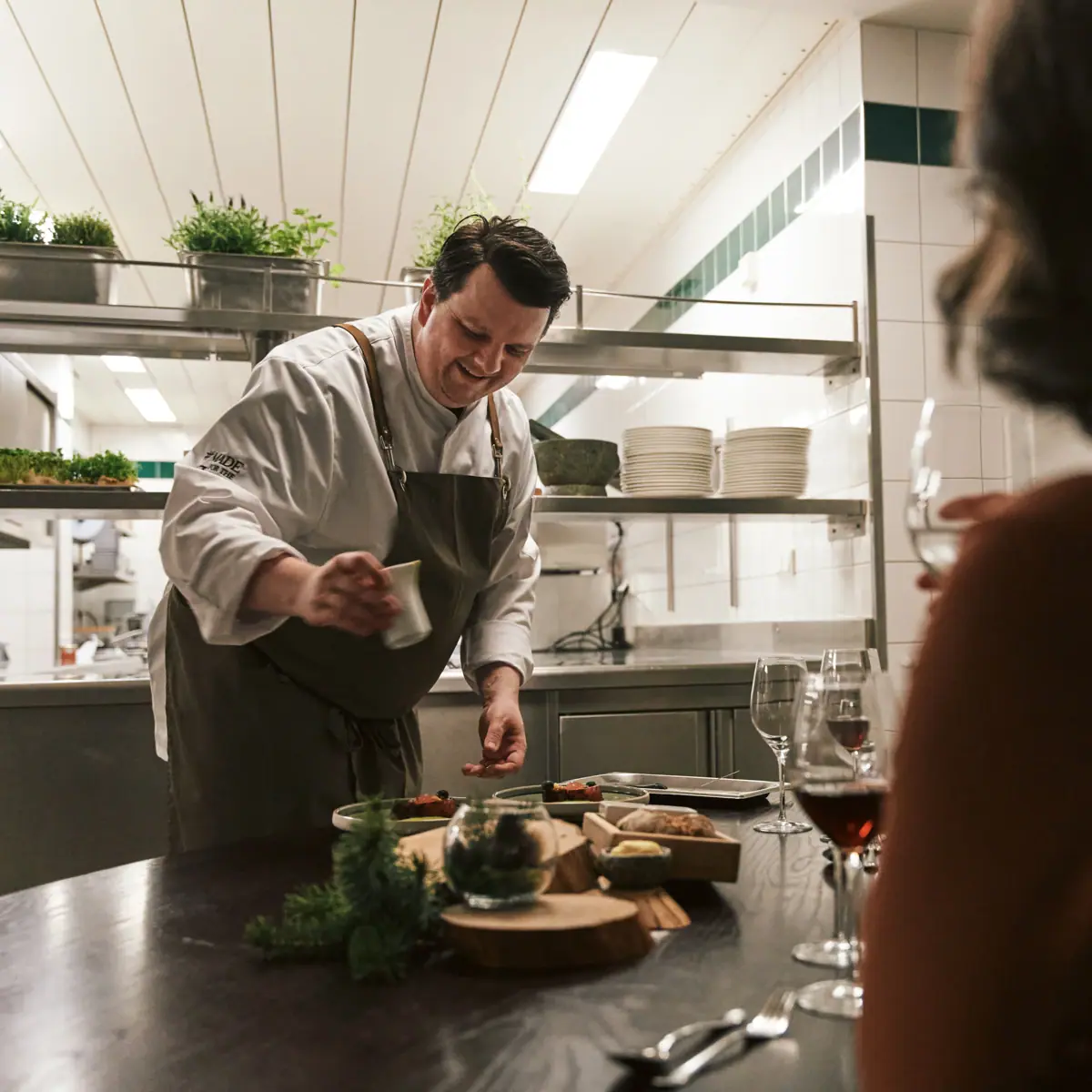
We cut some cress, spread butter on the bread and watch as the kitchen around us gets started for the evening. From our table, we have a good view of everything. The music is playing. The team are bustling about, plating up, the next order comes in. Ronny Kallmeyer moves calmly through the room, tastes the food, offers a quick tip, smiles. “We don’t cook any differently, we don’t talk any differently,” he says. “It’s a perfectly normal evening’s service for us.” On this particular evening, that means: individual guests, three groups, around 50 people at any one time. We sit there and watch as it’s all orchestrated.

What immediately strikes you is the calm. No raised voices, no shouting, no chaos. The guests at the kitchen table are used to seeing things differently – from television, where chefs bellow and pans fly. Kallmeyer smiles when asked about it. “That’s just television. They have to sell their show to keep viewers tuned in. A noisy kitchen does nobody any good. People lose their concentration when someone’s shouting.” Everyone has their own tasks, everyone knows their place. There’s no need for loud voices.
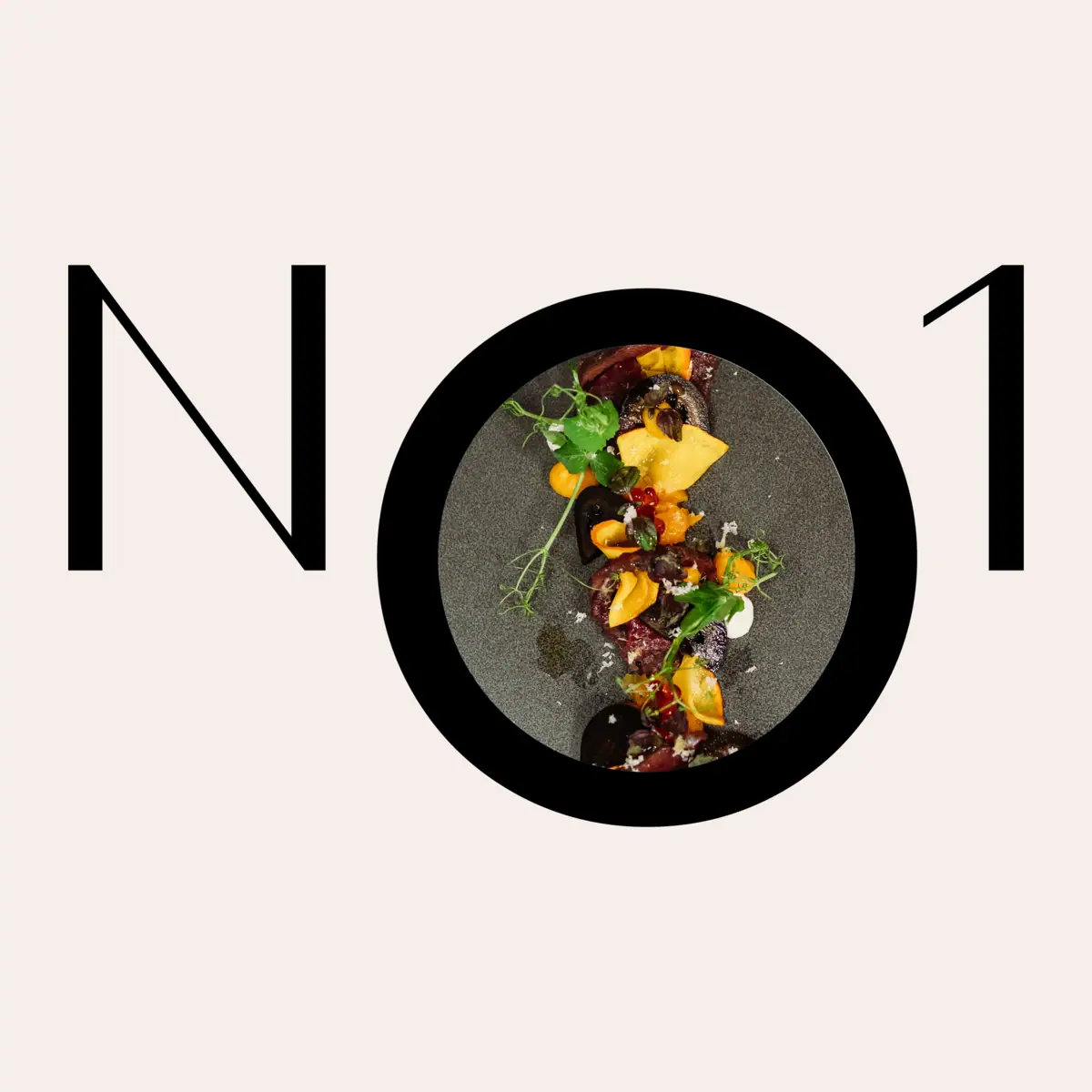
First course: beef fillet
Course by course

Beef fillet

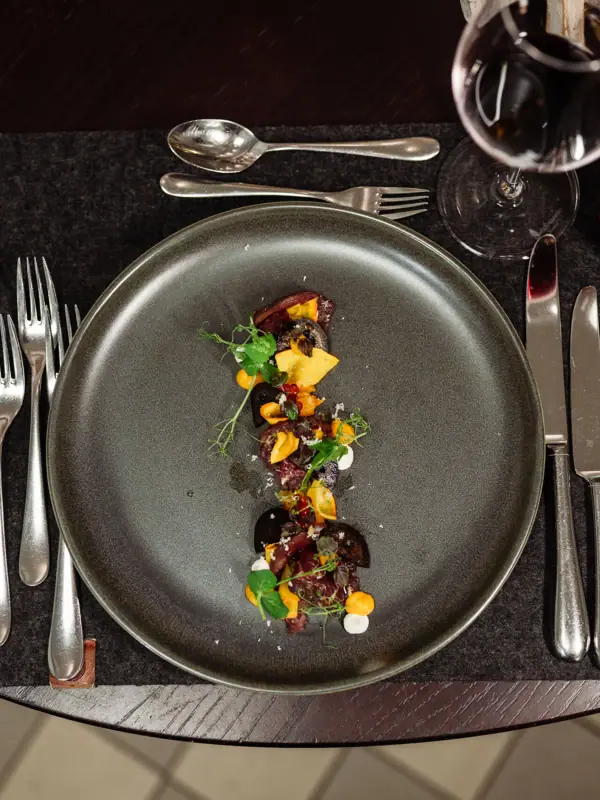
The first course arrives: marinated beef fillet, black walnuts and pumpkin. On the dark grey plate, the dish lies like a miniature landscape – deep purple flowers, golden dots of pumpkin, delicate herbs, with the dark red meat nestled between them. It looks a bit chaotic at first glance, but on closer inspection you realise that every element is exactly where it should be. The flavour is surprisingly fresh, almost light.
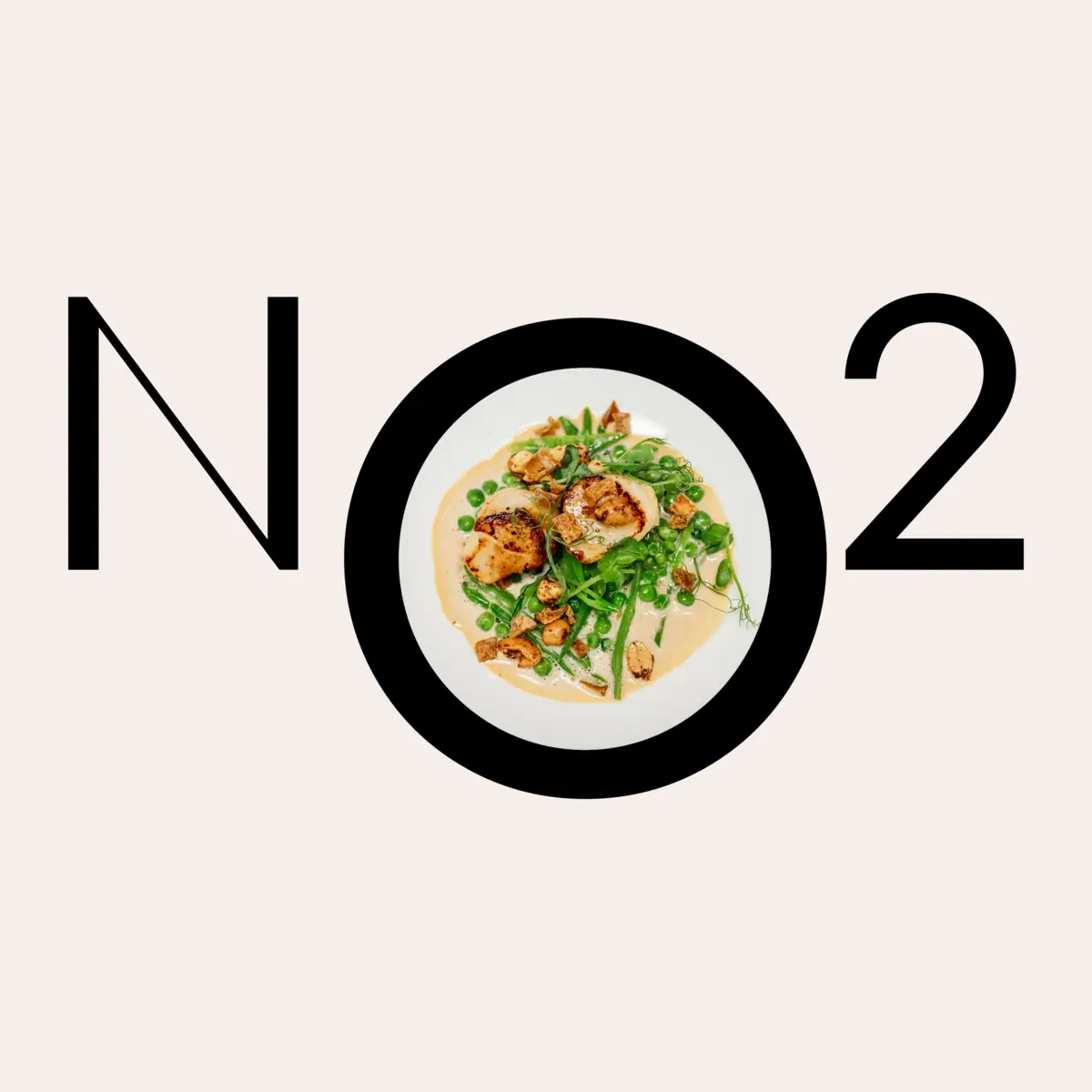
Second course: Scallops
Course by course

scallop

Next, the scallops with peas, miso and peanuts. The scallops are set in a creamy bisque, topped with fresh peas and pea tendrils, with crunchy peanuts providing a contrast. Miso and peanuts – it sounds daring, but on the plate it works perfectly. Every now and then, Kallmeyer explains what he’s thinking, why he combines ingredients, and how he combines them. Not as a lecture. Casually, like someone who’s simply sharing what’s on his mind. We can stand up, move closer, look over his shoulder. Steaming pots, a variety of aromas, an atmosphere that defies description. It’s an experience.
At the kitchen table

Stories by Ronny Kallmeyer

In between, he tells the story of a couple who once sat at his kitchen table and got up after two courses. “Too cold,” she said, and went to sit in the restaurant. “The man then, unfortunately, trudged after them,” says Kallmeyer. A brief pause, then a smile. “We were quite speechless.” It’s one of those moments that show: at the kitchen table, there’s no script. Every evening is different. Sometimes it’s quiet, sometimes it’s really busy. “Either way, they’re lovely evenings,” he says. The calmness with which he says this shows that he looks forward to welcoming everyone and accepts his guests just as they are.

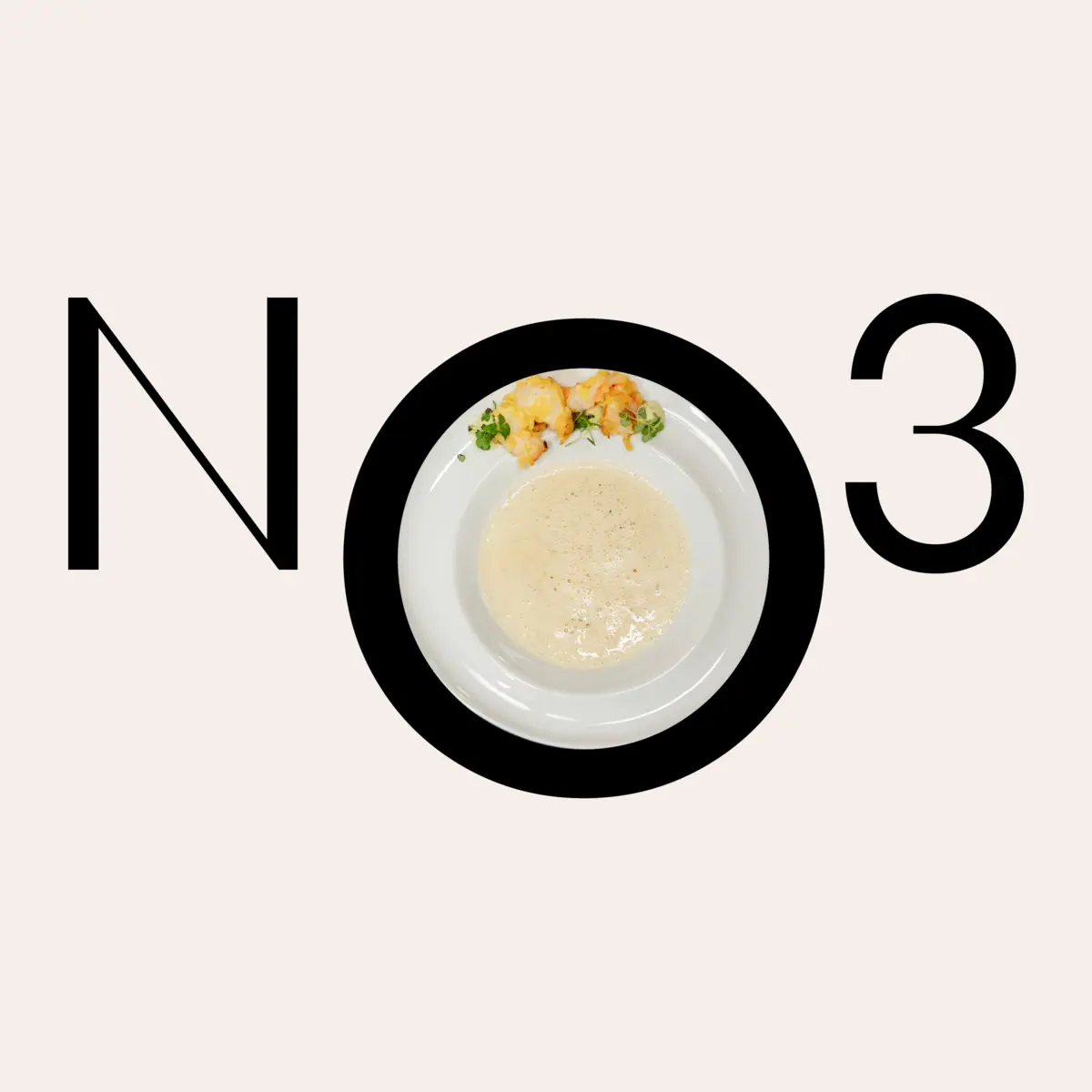
Third course: Riesling and mustard soup
Course by course

Riesling and mustard soup

The Riesling and mustard soup is served in a deep white bowl – silky, with a delicate froth, and topped with a pan-fried prawn. Using mustard as the main flavour in a soup takes courage and experience. You can sense both. This is the role in which Kallmeyer cut his teeth. Soups and broths, vegetables, vegetarian dishes – that’s where he feels at home. “It’s certainly a hard-going role,” he says, “but you can still be creative. And there’s always variety.”
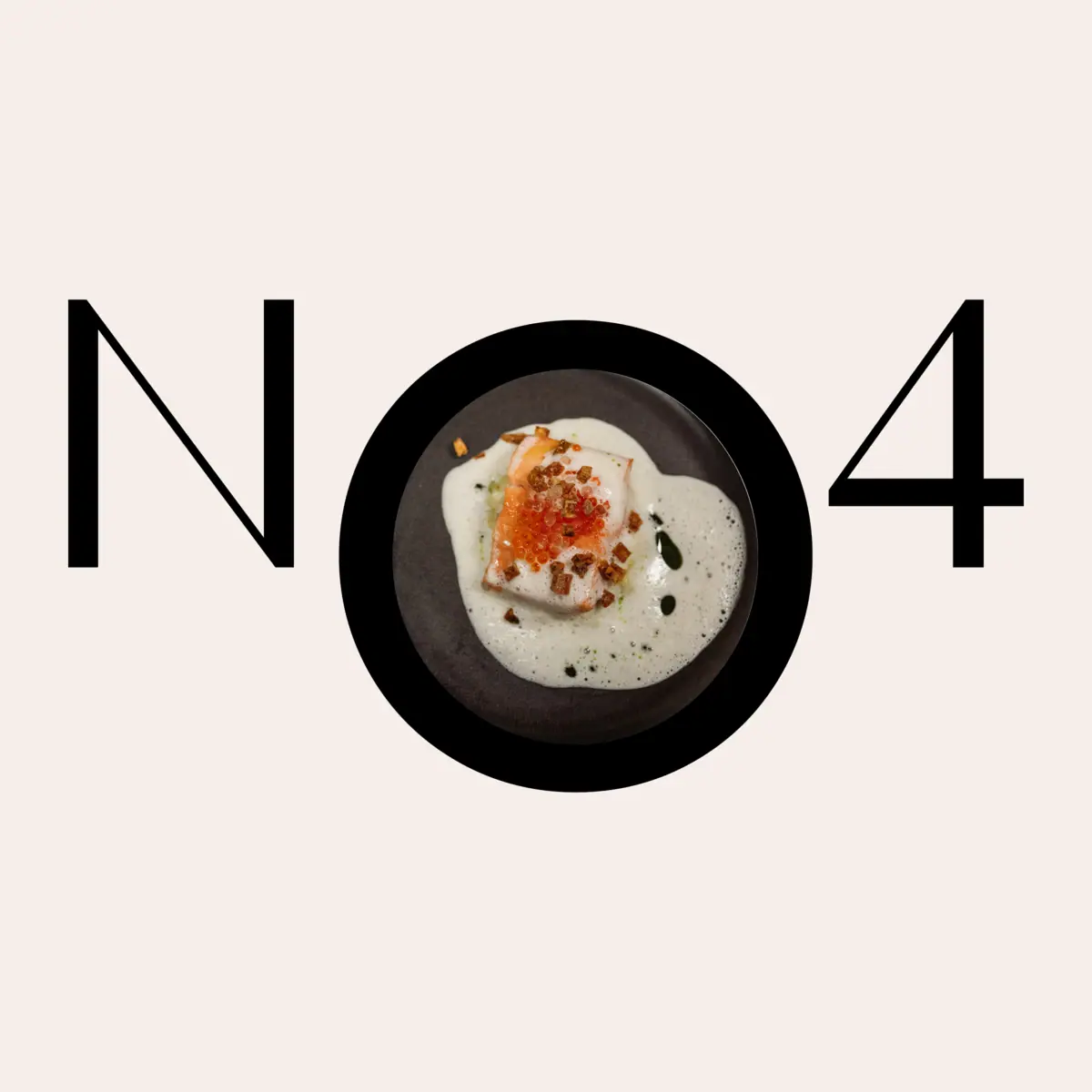
Fourth course: salmon
Course by course

The salmon

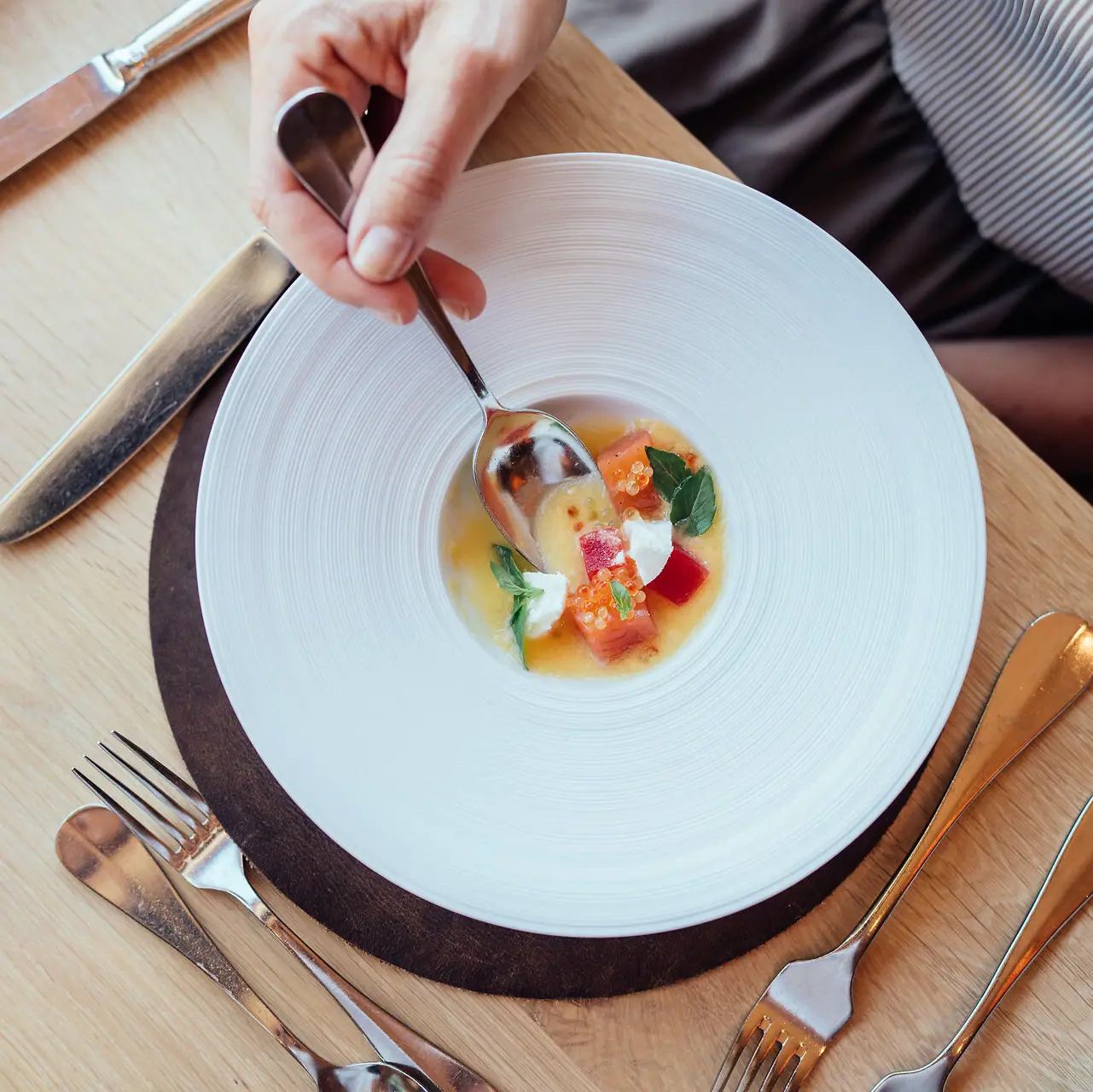
Then the salmon. “From Wendefort, just round the corner,” he says, explaining what 60°C does to fish cooked in olive oil. How the texture changes, why the dish looks the way it does. The salmon is set in a light saffron foam, topped with trout caviar and small vegetarian ‘bacon’ cubes made from mushrooms. The dish looks effortless. It is the very opposite of that.
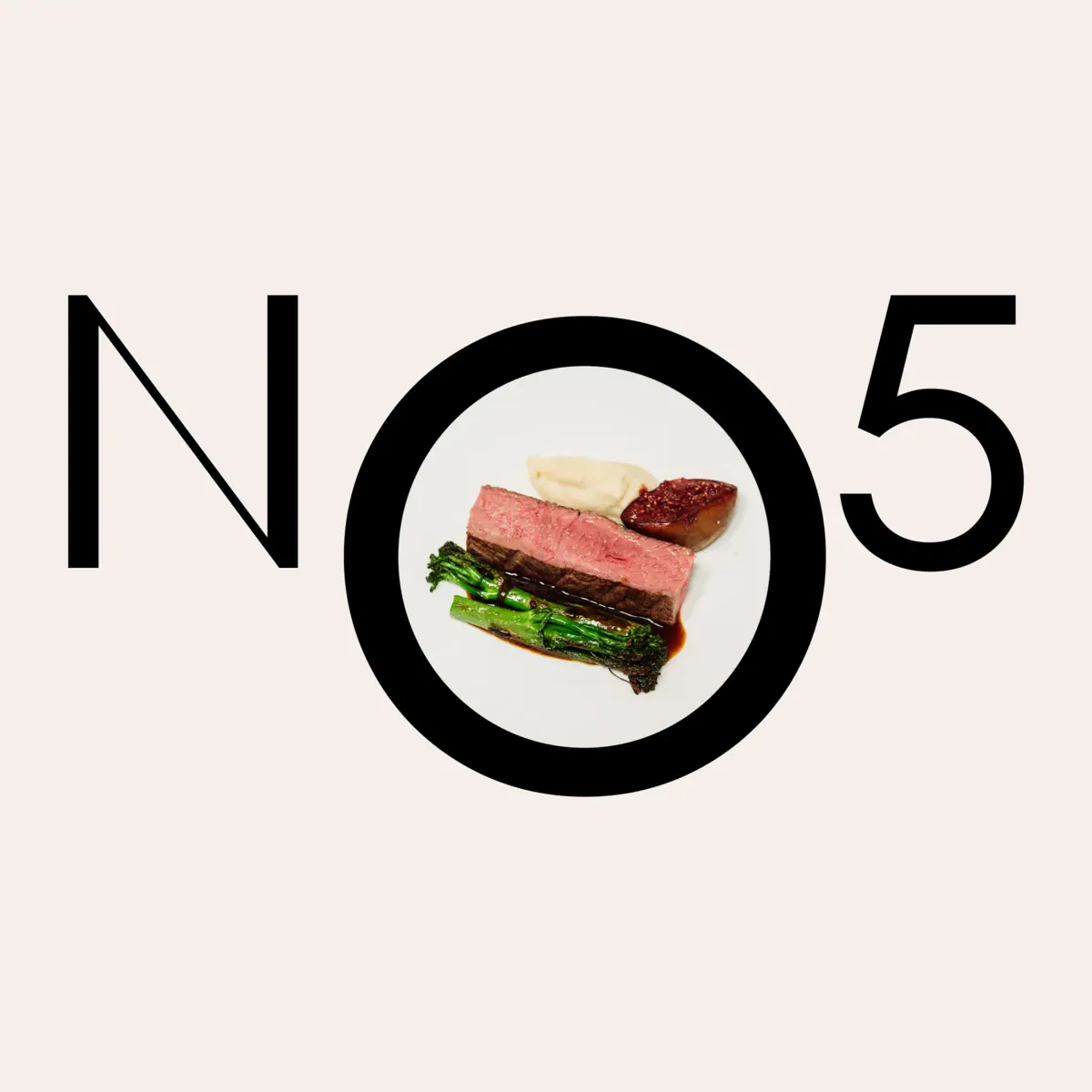
Fifth course: Harz highland cattle
Course by course

Harz Mountain Cattle

With the main course – Harz highland beef, celery, broccoli and braised figs – we can see exactly what Kallmeyer means when he talks about his cuisine. First the mashed celery, then the fillet – pink, perfectly cooked, every movement precise – then the sauce, and finally the cress. Everyone in the kitchen knows their part. A group is waiting outside for their main course. And in a flash, the plates go out. Ten, twenty, thirty at once. It’s like a small orchestra where everyone knows when to come in. We watch and understand what he means when he says: “A mistake only happens once the plate leaves the kitchen. Before that, you can correct anything.” But if you know something isn’t right and send it out anyway – that must never happen in his kitchen.
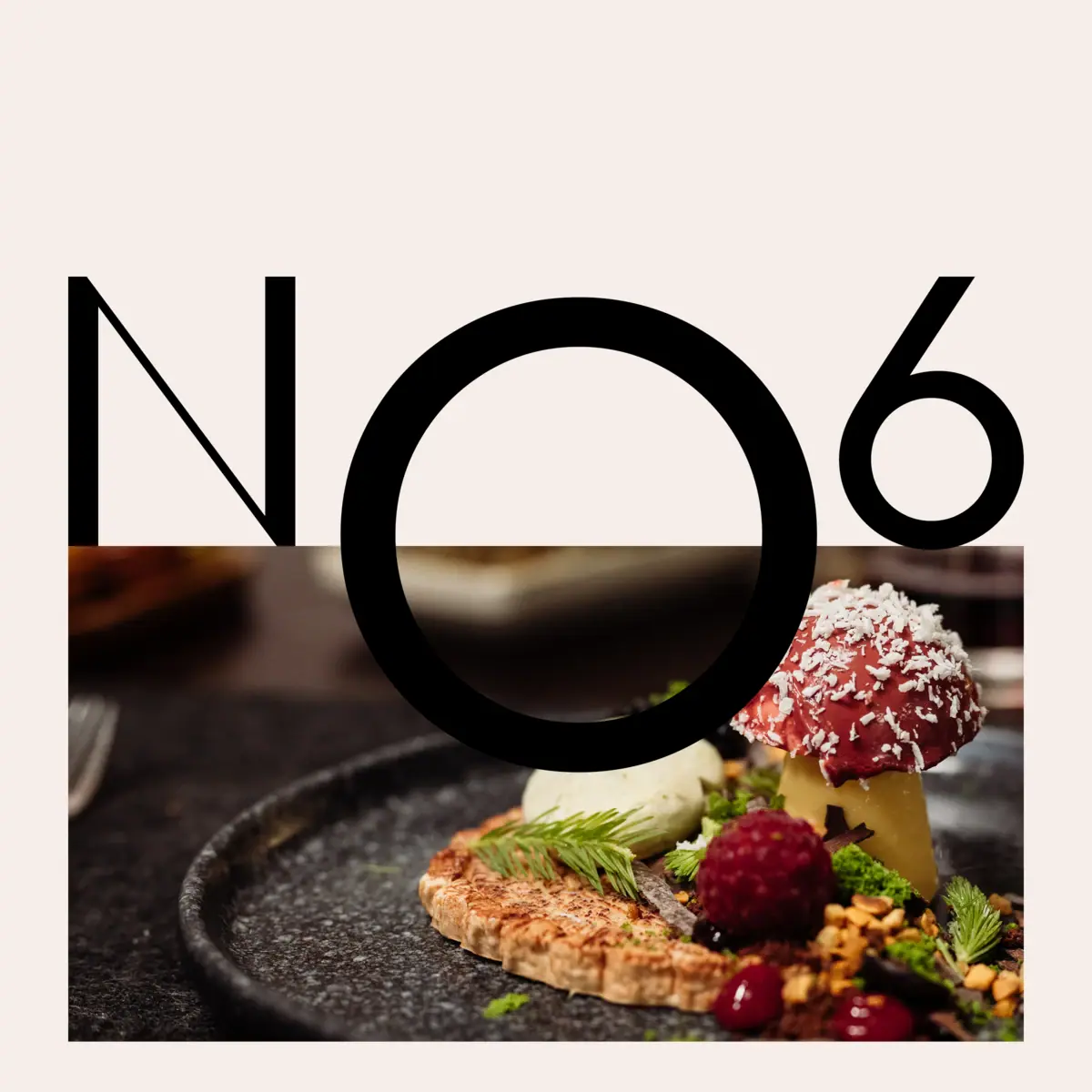
Sixth course: Forest
Course by course

‘Forest’ Dessert

When Kallmeyer first mentions the ‘Forest’ dessert, we can hardly imagine what it might be. Then the plate is placed in front of us – and we understand immediately. A slice of tree made from hazelnut mousse forms the base – so lifelike it looks as if it came straight from the forest. On top of this is chocolate soil, green moss made from mint sponge, wild strawberries, blackberries, cherries, roasted hazelnuts, chocolate chips and nut cream. And in the centre: a toadstool – its stem made of spruce cream, its cap of wild strawberry mousse, sprinkled with coconut. Next to it, the pale green, shimmering spruce needle ice cream.

We look at this plate and are simply blown away. Such attention to detail, so much resin in a single dish. Unique – just the sight of it alone.

“Actually, every guest gets this at the kitchen table,” says Kallmeyer. You can see why.

Scenes from the kitchen table
at the A-ROSA Gothisches Haus in Wernigerode
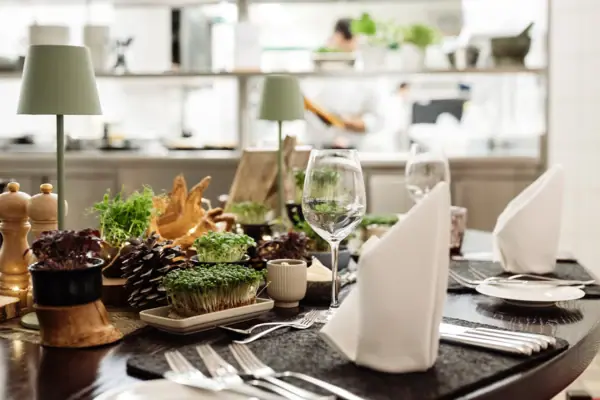
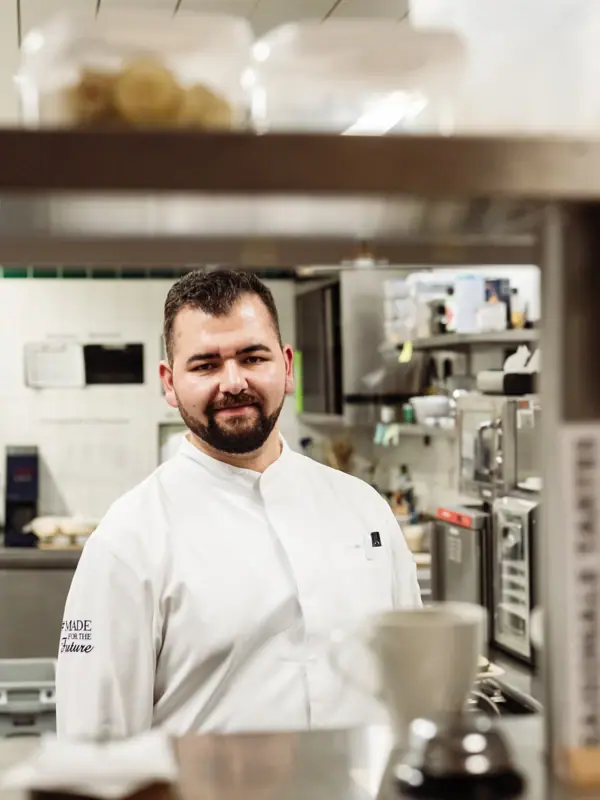
The kitchen table at the A-ROSA Gothisches Haus in Wernigerode, with crockery, a bouquet of flowers in a vase and food.A chef in a white coat is standing in the kitchen of the A-ROSA Gothisches Haus Wernigerode.
A dish on a plate at the kitchen table at the A-ROSA Gothisches Haus in Wernigerode.A small sign reading ‘A Warm Welcome’ is sitting on the kitchen table at the A-ROSA Gothisches Haus in Wernigerode.
A group of people in the kitchen of the A-ROSA Gothisches Haus Wernigerode, standing and smiling.The kitchen table at the A-ROSA Gothisches Haus in Wernigerode, decorated with various plants and kitchen utensils.
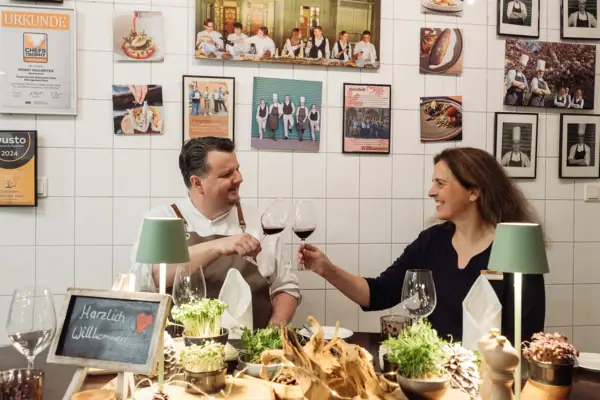
A plate of sliced bread on the kitchen table at the A-ROSA Gothisches Haus in Wernigerode.Chef Ronny Kallmeyer and a woman are holding wine glasses at the kitchen table at the A-ROSA Gothisches Haus Wernigerode.
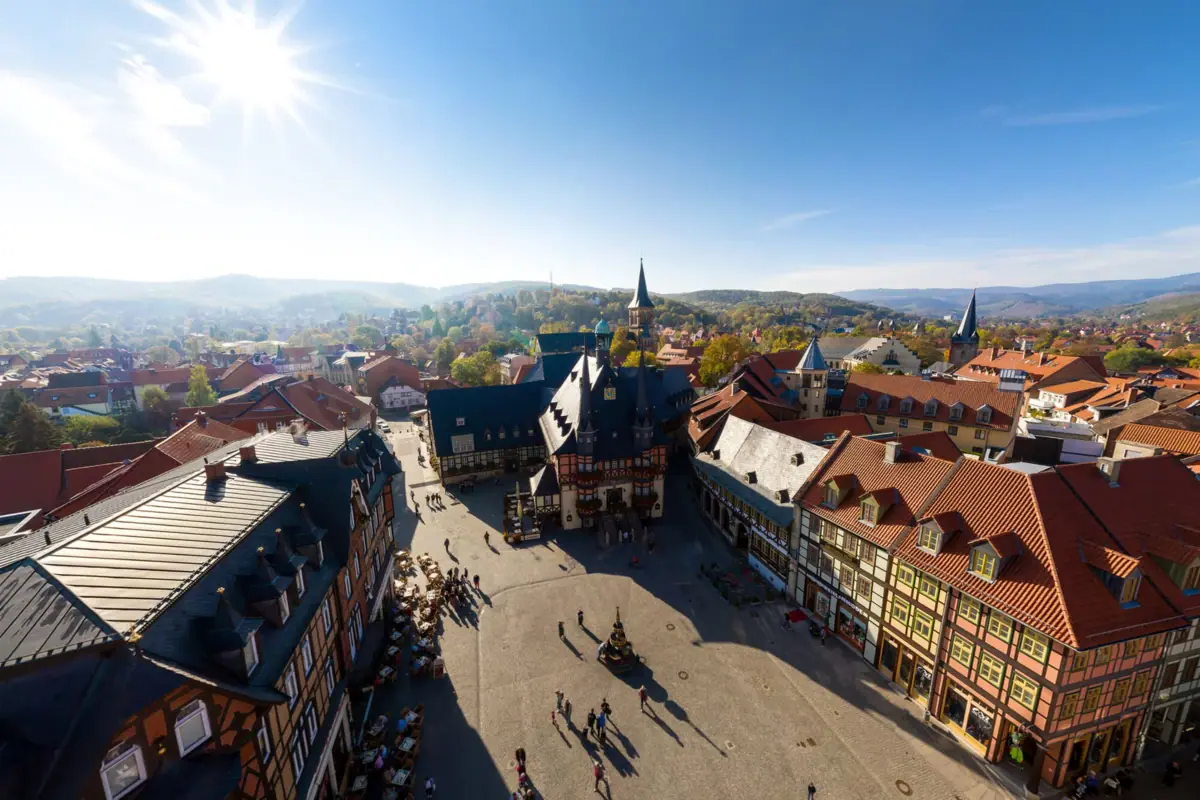
The market square in Wernigerode, featuring the A-ROSA Gothic House Wernigerode.

Home as a mindset

Ronny Kallmeyer could have stayed somewhere else. After completing his training at the Gothisches Haus, he spent ten years moving between different kitchens and cities – observing how others worked, getting to know different styles, and experiencing different establishments. Then he returned – to Wernigerode, to the Gothisches Haus, to the kitchen where he started out. And he stayed.

“I’m glad I’ve come back,” he says. “Wernigerode gives me a sense of home, gives me family, gives me security, gives me memories and a bright outlook on the future.”

A-ROSA Gothic House, Wernigerode

The Harz on your plate

What still surprises him about this place?“The romance of the Harz,” he says. “That slightly sleepy atmosphere, like in a Sleeping Beauty fairy tale. The Harz is still such a gem when it comes to tranquillity. You’re a bit off the beaten track, far away from the hustle and bustle of the wider world.” He says this without a hint of irony. He really means it. He could talk for hours about the Harz – about Harz cheese, the meat, the sausages. About the spruce tips he goes out to gather in May and June. His homeland isn’t just part of his life story. It’s woven into his dishes.

Off the cuff

Over the years, he has changed his own approach to cooking – less in terms of style than in how he works with his team. “You do tend to grow up a bit,” he says. At the start, he preferred to do a lot of things himself. Today, he trusts his team. “I rely on the fact that I’ve explained things clearly beforehand. And you grow closer together – you then know what the other person wants.” What still gets on his nerves, though? Sloppiness. No salt in the pasta water, for example. Or when someone sends something that isn’t good enough – and says nothing. “If you don’t say anything and act as if nobody’s going to notice – that’s when my patience runs out.” By then, though, he’s become calmer. Significantly calmer than he was fifteen years ago.

He cooks from the gut, he says. He’s reluctant to weigh things out. That’s why he doesn’t like patisserie all that much – “you have to work to a recipe there.” He found his favourite station early on: the vegetable station. Colourful, varied, creative. Soups, stocks, vegetable side dishes, vegetarian dishes. “Nothing’s ever the same. There’s always something going on – and no time to stand around.” He changes the dishes because, at some point, you just can’t stand the sight of them any more. “Because then you’re no longer putting your all into it.” A new challenge. That’s what he’s always looking for. And he wants to keep giving his young chefs the chance to experience that too.

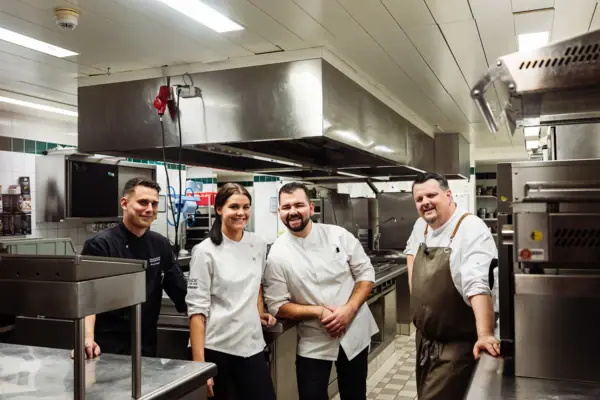
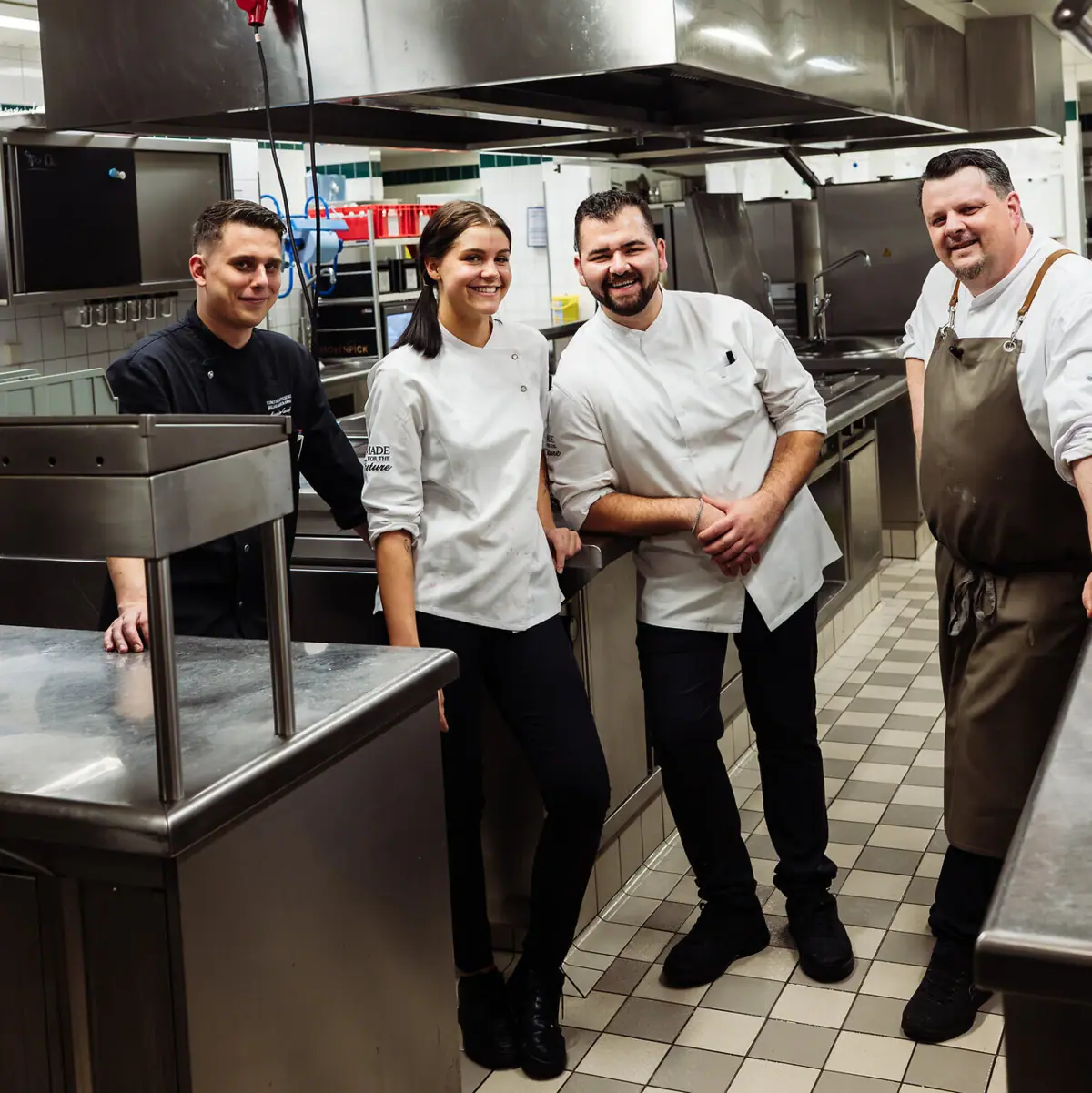
The kitchen team at the A-ROSA Gothisches Haus in Wernigerode.

Making room for something new

He looks for passion in young chefs. “You can just sense it,” he says. “The way they carry themselves, the way they ask questions, the way they speak. And then an idea comes along – however crazy it might be – but the person has really put some thought into it. That’s always a good sign.” Young people who are passionate about the profession – that gives him hope. These days, they’re more focused, he says. They check out the business beforehand, do work placements, ask questions. It used to be different.

What has he forgotten over all these years? He pauses briefly. “I’ve forgotten that I’ve forgotten it,” he says. A pause. “Apparently it wasn’t necessary. Because I haven’t needed it so far. You’ve got to make room sometimes – for new things.” The next dish is already waiting.


’s Frequently Asked Questions about the kitchen table at the Gothisches Haus

Who is Ronny Kallmeyer?

Ronny Kallmeyer is head chef at the A-ROSA Gothisches Haus in Wernigerode and the face of the hotel’s regional Harz cuisine. He began his training at the Gothisches Haus, worked for ten years in various kitchens and cities, and then returned to Wernigerode. His guiding principle: “Home as a way of life.” His favourite section is the vegetable section – soups, stocks and vegetarian dishes.
What is the kitchen table at the A-ROSA Gothisches Haus in Wernigerode?

The Kitchen Table is an exclusive chef’s table experience where guests take their seats right in the kitchen of the A-ROSA Gothisches Haus Wernigerode and watch Head Chef Ronny Kallmeyer prepare a multi-course menu live. You’ll be right at the heart of the action, watching the team as they prepare the dishes, and you’re free to get up at any time to look over their shoulders or ask questions. Between courses, Ronny Kallmeyer himself talks about his dishes, ingredients and sources of inspiration.

Find out more about dining at the Gothisches Haus
What dishes are served at the kitchen table?

The menu at the kitchen table changes with the seasons and depending on the availability of regional produce. The highlight is the ‘Forest’ dessert – an edible forest landscape featuring hazelnut mousse, chocolate soil, mint moss, wild strawberries, spruce needle ice cream and a toadstool made from spruce and wild strawberry cream.

How can I make a booking at the kitchen table?

Bookings for the kitchen table are made directly through the A-ROSA Gothisches Haus Wernigerode, either by telephone or via the hotel’s website. As the table only seats a few people and the experience takes place exclusively in the kitchen, we recommend booking well in advance. Dates are usually available on selected evenings as part of the restaurant’s regular opening hours.

Book by phone here
What makes the cuisine at the A-ROSA Gothisches Haus so special?

The kitchen at the A-ROSA Gothisches Haus Wernigerode is firmly committed to using regional Harz produce and working closely with local producers. It is the only restaurant in Wernigerode to have been awarded the ‘Typisch Harz’ seal of quality. Dishes feature Harz highland cattle, salmon from Wendefort, bread from the Silberbach bakery and, in spring, spruce tips gathered by the restaurant’s own staff. The cuisine is characterised by a calm, methodical approach, precise craftsmanship and creative compositions that spring from the chef’s intuition.

Find out more about dining at the A-ROSA Gothisches Haus Wernigerode
Where is the A-ROSA Gothisches Haus Wernigerode located?

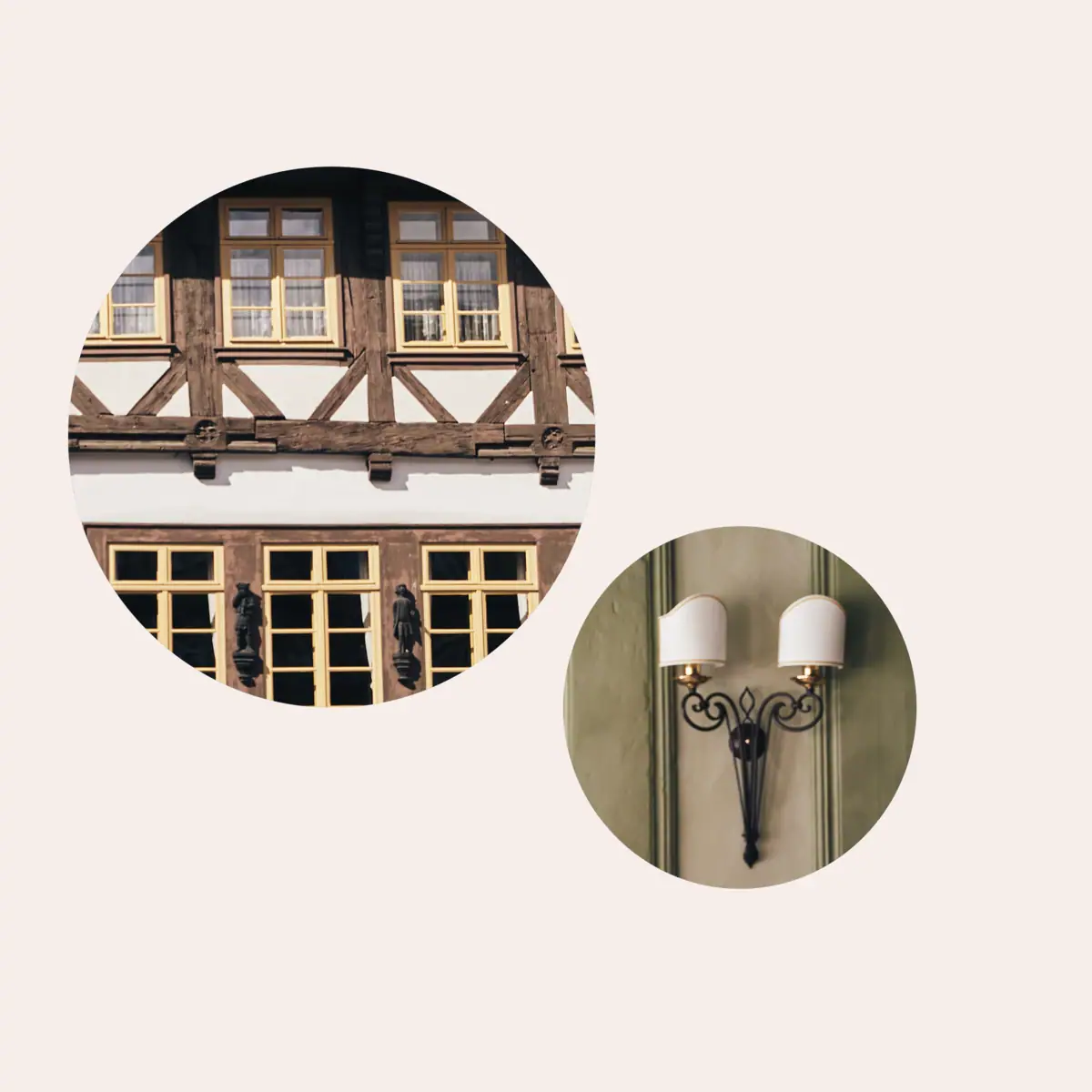
The A-ROSA Gothisches Haus is situated right on Wernigerode’s historic market square, right next to the famous town hall. With its half-timbered façade, it is one of the oldest buildings in the town, with roots dating back to the 14th century. It is about one kilometre’s walk from Wernigerode railway station. Address: Marktplatz 2, 38855 Wernigerode.

More about the A-ROSA Gothisches Haus Wernigerode
How old is the Gothic House in Wernigerode?

The Gothic House dates back to the 14th century, making it one of the oldest buildings in Wernigerode. As far back as the Middle Ages, the local councillors appreciated the wine in the vaulted cellar – today, this is home to the ‘Winkeller 1360’. The historic half-timbered façade continues to dominate the market square to this day.

Apart from enjoying good food, what else is there to do in Wernigerode?

Wernigerode is known as ‘the colourful town in the Harz’ because of its brightly coloured half-timbered houses. Places of interest include the striking town hall right on the market square, Wernigerode Castle above the old town, and the historic Brocken Railway, part of the Harz Narrow-Gauge Railways, which runs from here up to the Brocken (1,141 m). The UNESCO World Heritage town of Quedlinburg is also only around 30 kilometres away and is ideal for a day trip.

Find out more about activities and holidays in the Harz Mountains