Sylt's hidden gems
Out and about on Sylt: a slightly different tour of the island
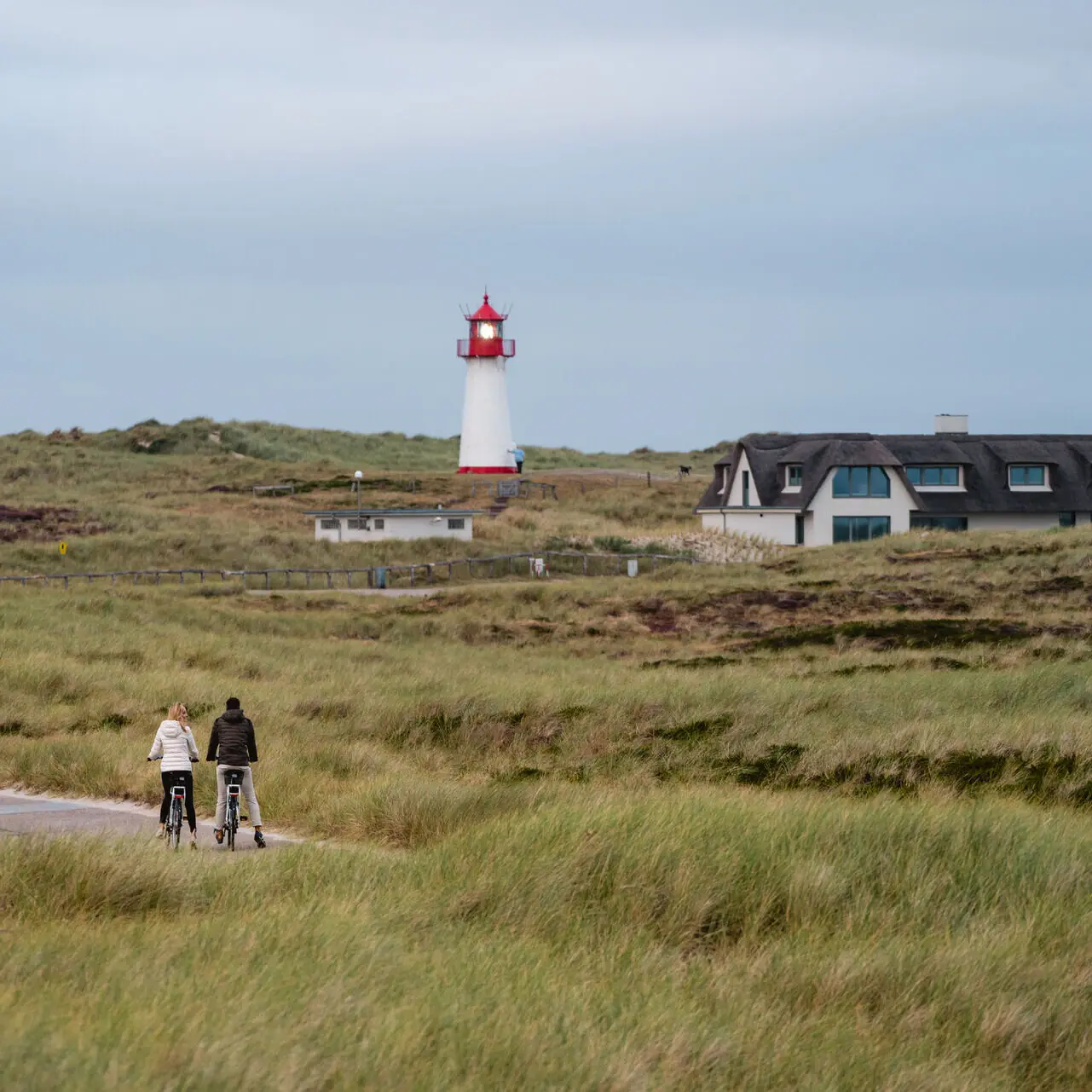
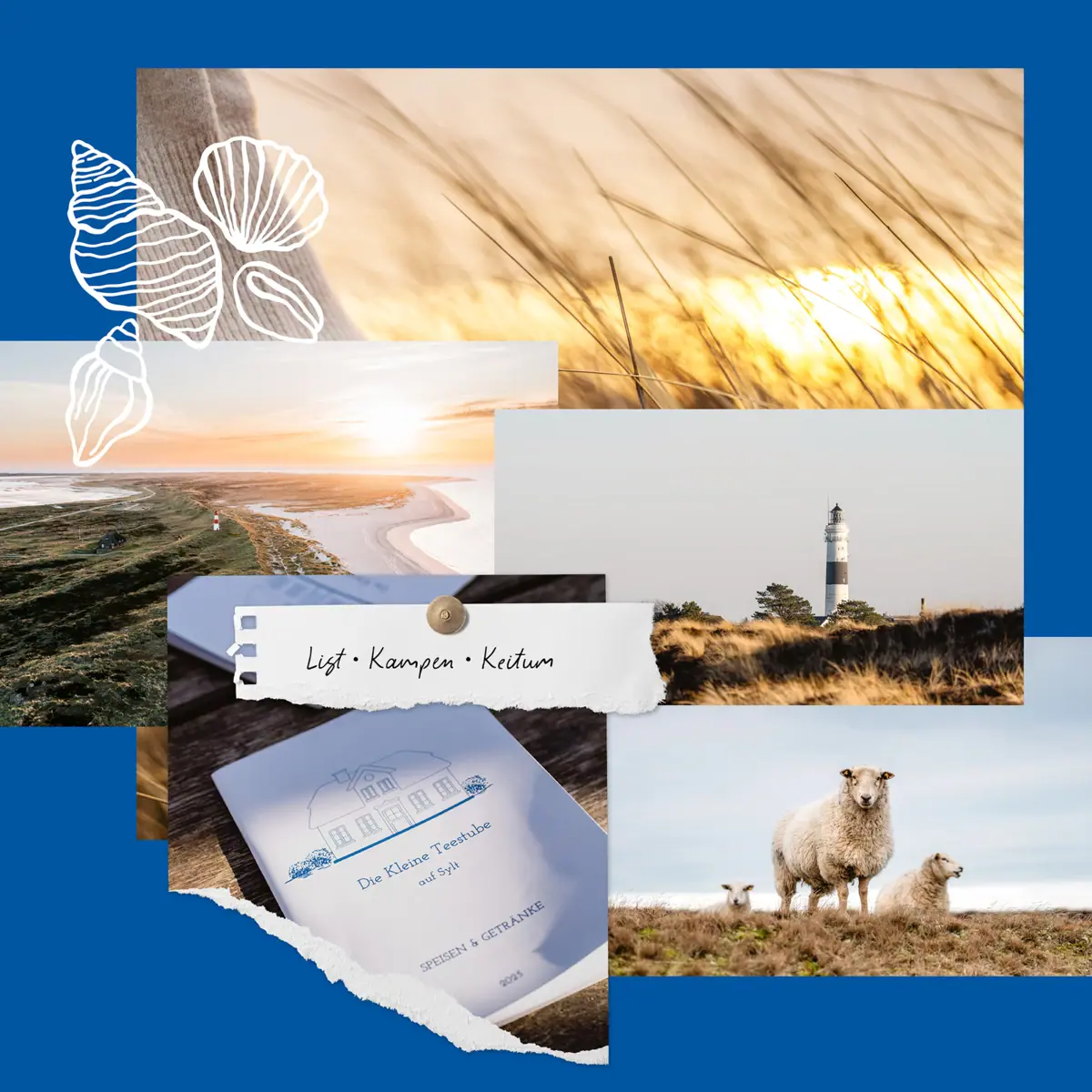
This island tour takes you to Sylt’s most beautiful hidden gems: from Ellenbogen, via the Lister shifting dunes and Keitum, to Dittmeyer’s Oysters and the Red Cliff. Where do you go when you want to really experience the island?
The sea roars, the beach grass rustles and the seagulls screech, still weary from the night spent over the Wadden Sea. Your lips taste of salt and your cheeks feel cool from the fresh breeze, which wakes us up vigorously yet gently.
Shifting dunes
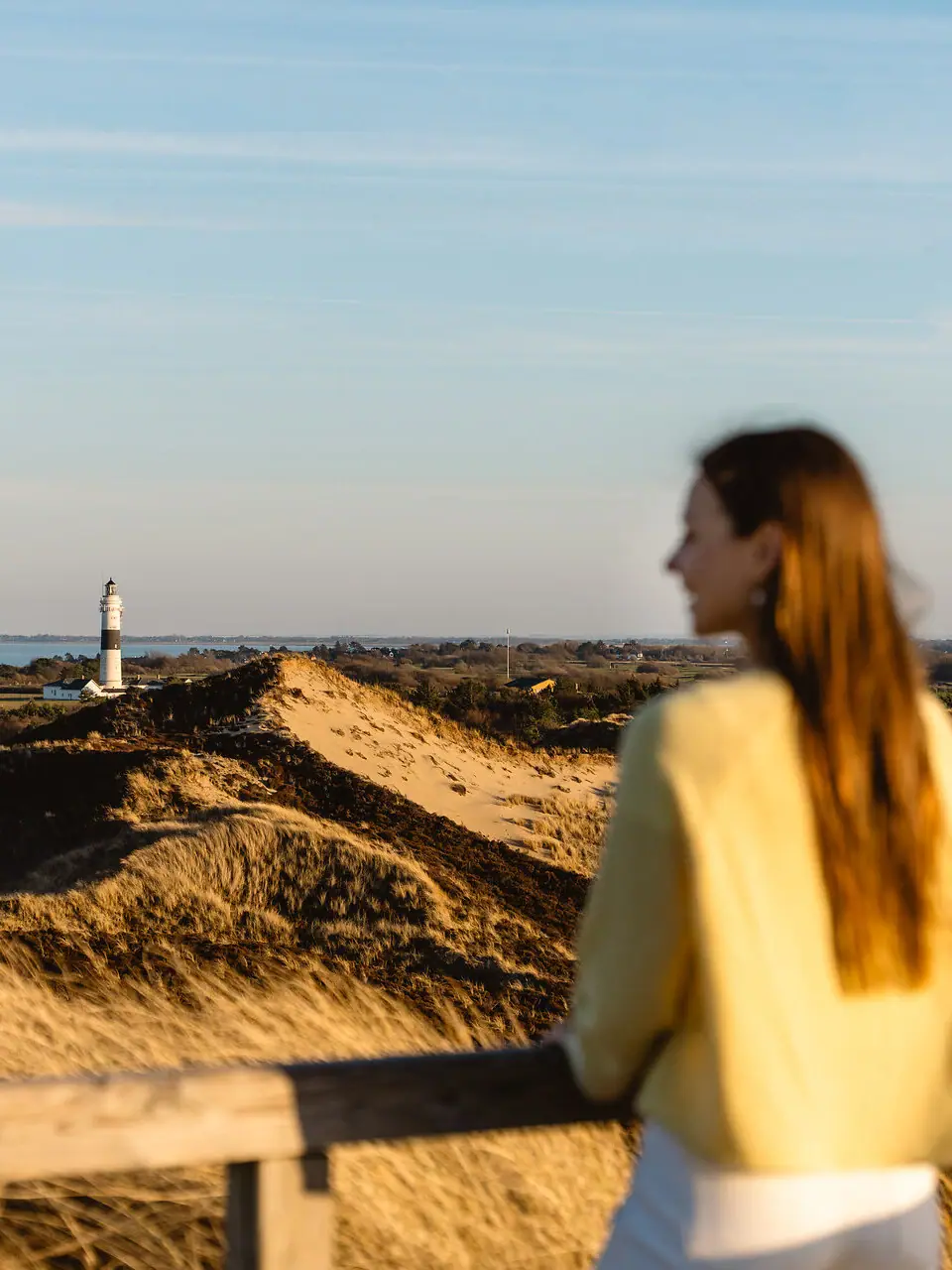
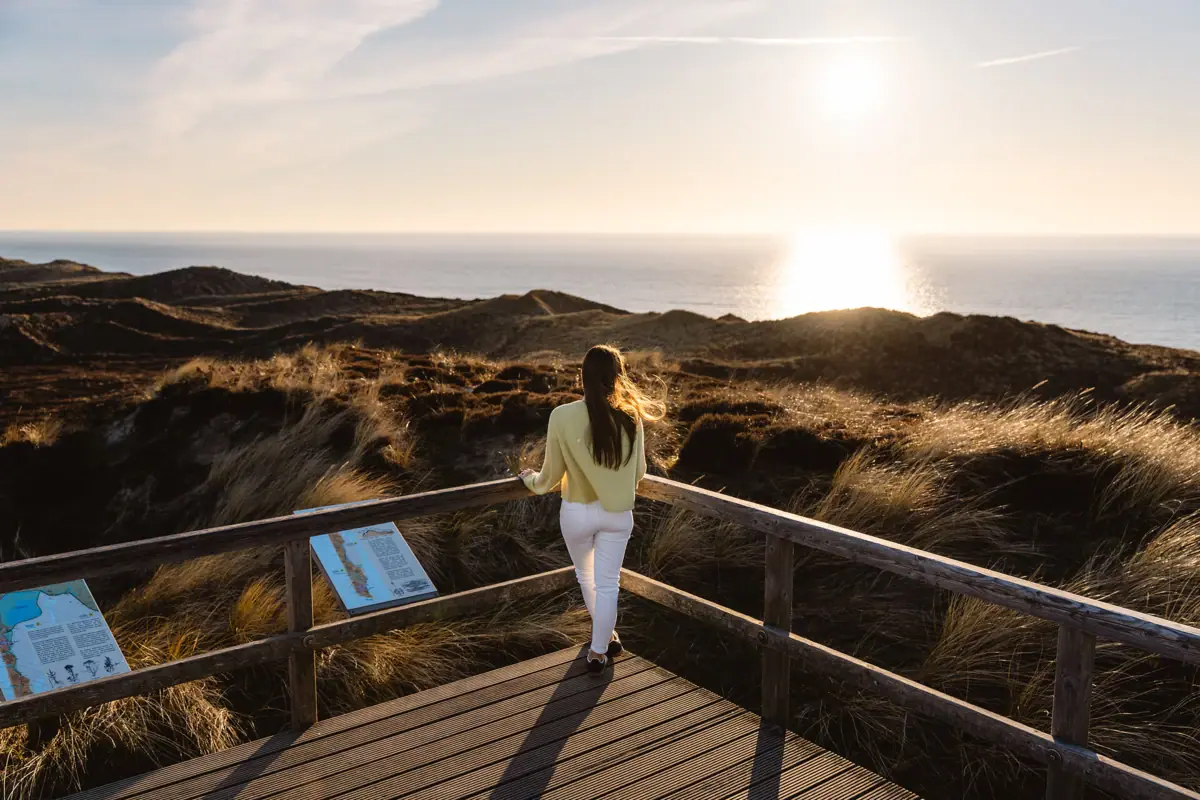
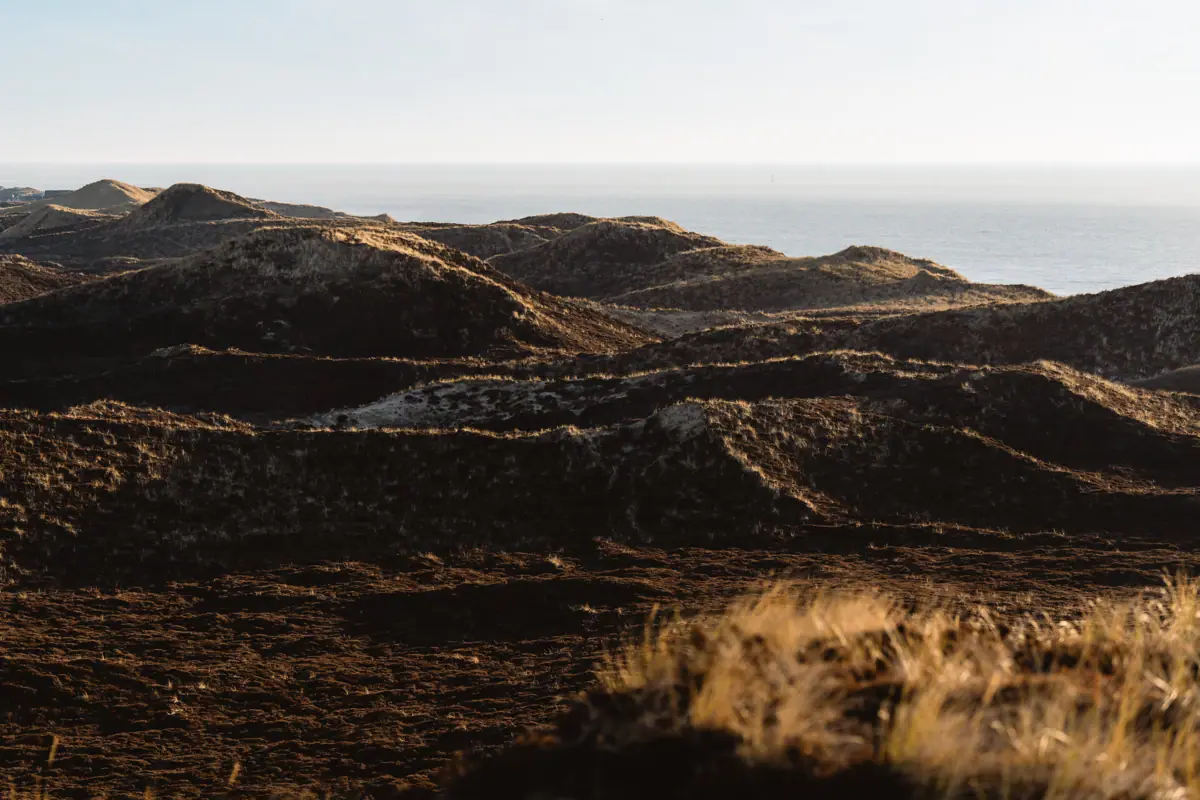
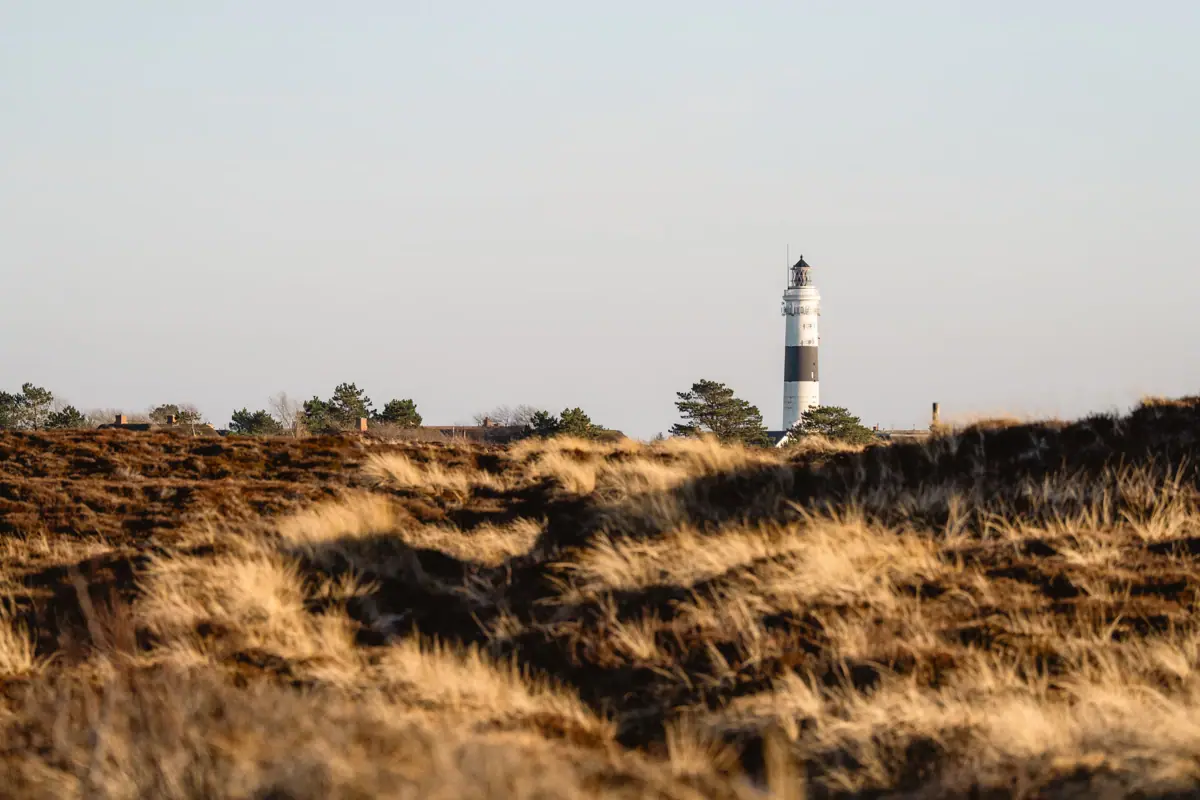
Continuing on, past the salt marshes, our path takes us through the marshlands and across the northern spit. We pass the gigantic white sand dunes of Europe’s largest contiguous shifting dune area. For on Sylt, we do not wander alone. The sand is on the move with us too. So on Sylt, even what is ‘always there’ is in constant flux. The Lister shifting dunes are not static sculptures. They are slowly moving giants, driven by the westerly wind, wandering slowly and steadily eastwards. The grains of sand make their way, bit by bit – three to four metres a year – towards our Danish neighbours. Here, even constant change feels surprisingly relaxing. Later, our route takes us along leisurely boardwalks through the Kampen Dunes. As the wind blows through our hair, we marvel from the Uwe Dune, at a height of 52.5 metres, at the surrounding heathland and dune landscape, where bell heather, silver grass and crowberry grow. Here, at the highest point on the island, it’s time. Time to take a deep breath, time to settle in, time to feel. Time to embrace change and let go of the familiar.
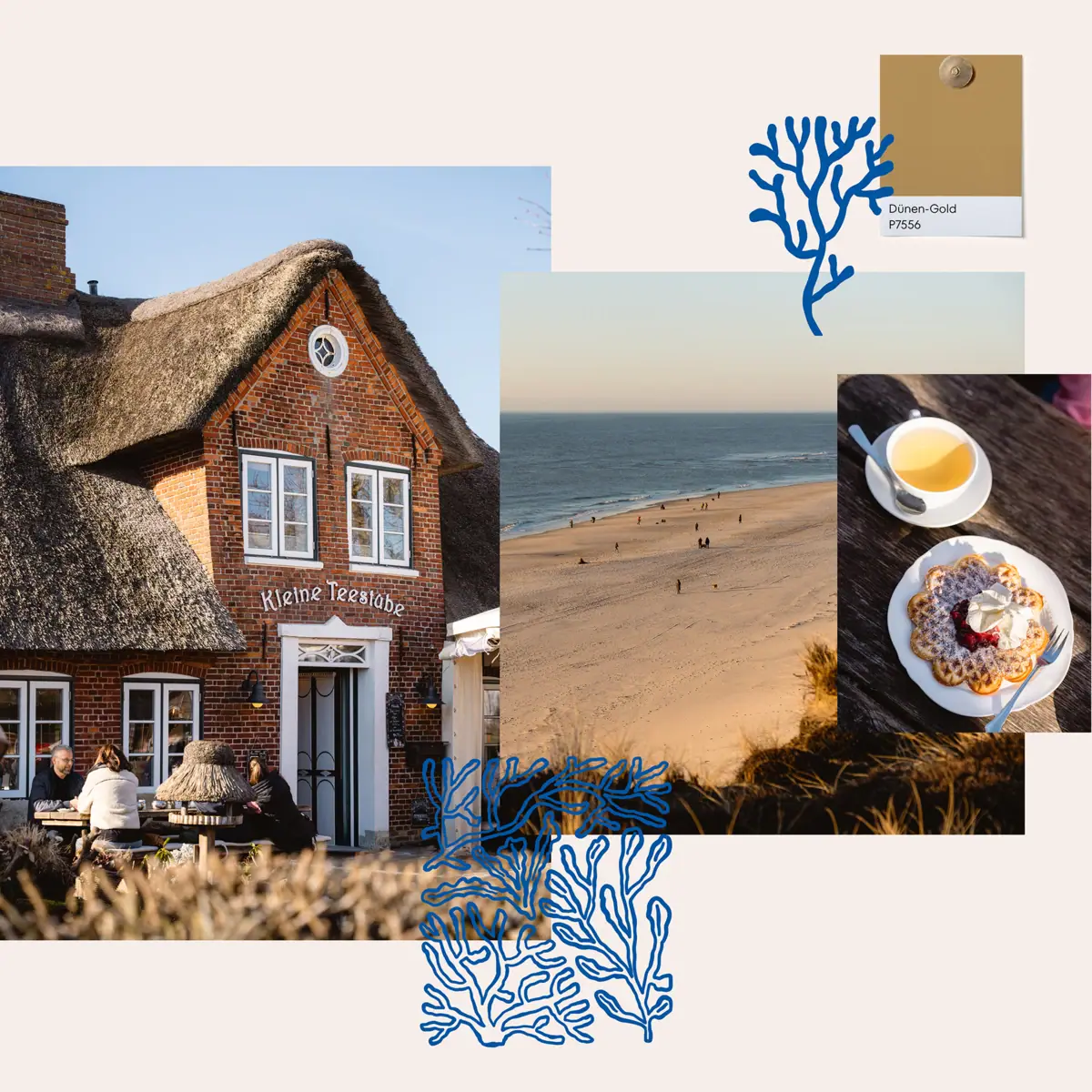
Tea Room & Ice Cream Parlour
As afternoon sets in, the sunlight casts long shadows over the carefully stacked stone walls that gently and peacefully envelop the thatched houses and their inhabitants in Keitum. Here, the afternoon beckons with sweet treats. In the Kleine Teestube, tucked away behind hedges and sheltered from the wind, the day slows down in a most pleasant way. The scent of freshly baked waffles and cakes hangs warmly in the air. The tea is served in bulbous teapots, and anyone lucky enough to snag a seat on the bustling terrace can enjoy their hot tea with the sun on their back or face. Our cups are refilled time and again. Our conversations grow quieter. Under the management of son and globetrotter Cedric Horstmann, this family-run café is currently reinventing itself and now also offers a Pornstar Martini or avocado toast, whilst still giving pride of place to the tradition of tea and Grandma’s cake recipes.
The craving for something refreshing takes us back to List. At the Sylt Ice Cream Factory, which produces its unusual ice-cream flavours using regional and seasonal ingredients, we discover what summer tastes like.
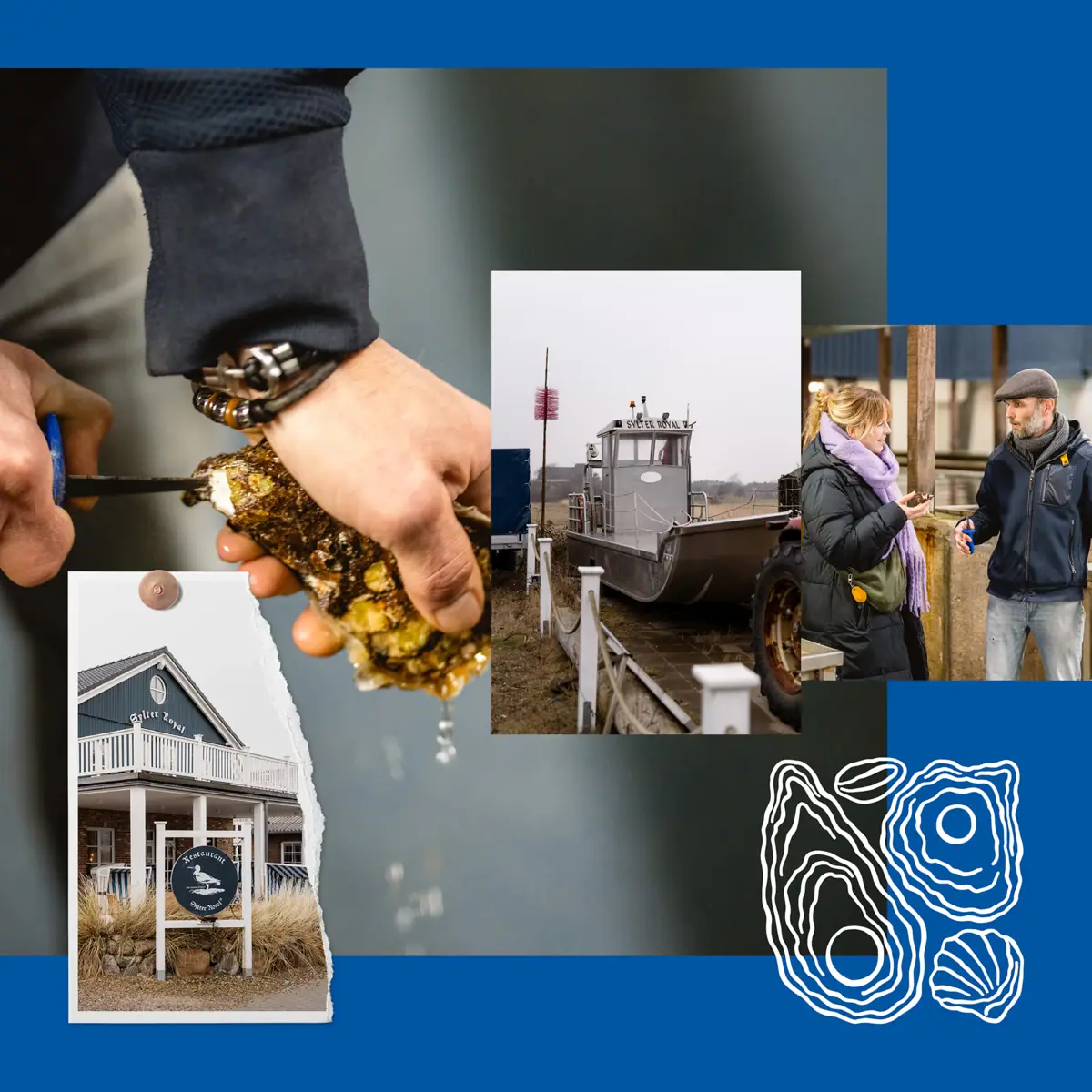
Dittmeyer’s Oyster Company
Whilst visiting Dittmeyer’s Oyster Company, we ask the expert Christian Wieden what Sylt tastes like. He nods knowingly and invites us to join him. In the large hall in List, where the water lapped gently in shallow basins and light streamed in through tall windows, he told us about a passion in which the tides have set the pace for many years. In Blidsel Bay off List, the Sylt Royal – the only oyster farmed in Germany – is growing, shaped by the ebb and flow of the tides, by patience and by salt water.
On the numerous oyster beds, the oysters lie in mesh bags on iron frames, washed over by the nutrient-rich waters of the North Frisian Wadden Sea National Park. The heavy sacks – known as ‘poches’ – are regularly turned by hand, shaken and kept in motion to ensure the best quality and development. It is work carried out in time with the tides.
Then comes the tasting. Christian explains it thoughtfully, almost solemnly: first pour out the salt water, place the oyster on your lip and let it slide into your mouth, then swallow the salty liquid twice. Only then do you start to chew. What spreads across the tongue is surprising, as it tastes of fresh cucumber. No sea, no iodine, no sharpness. Sylt has a unique flavour – and we understand it now that we’ve experienced it for ourselves.

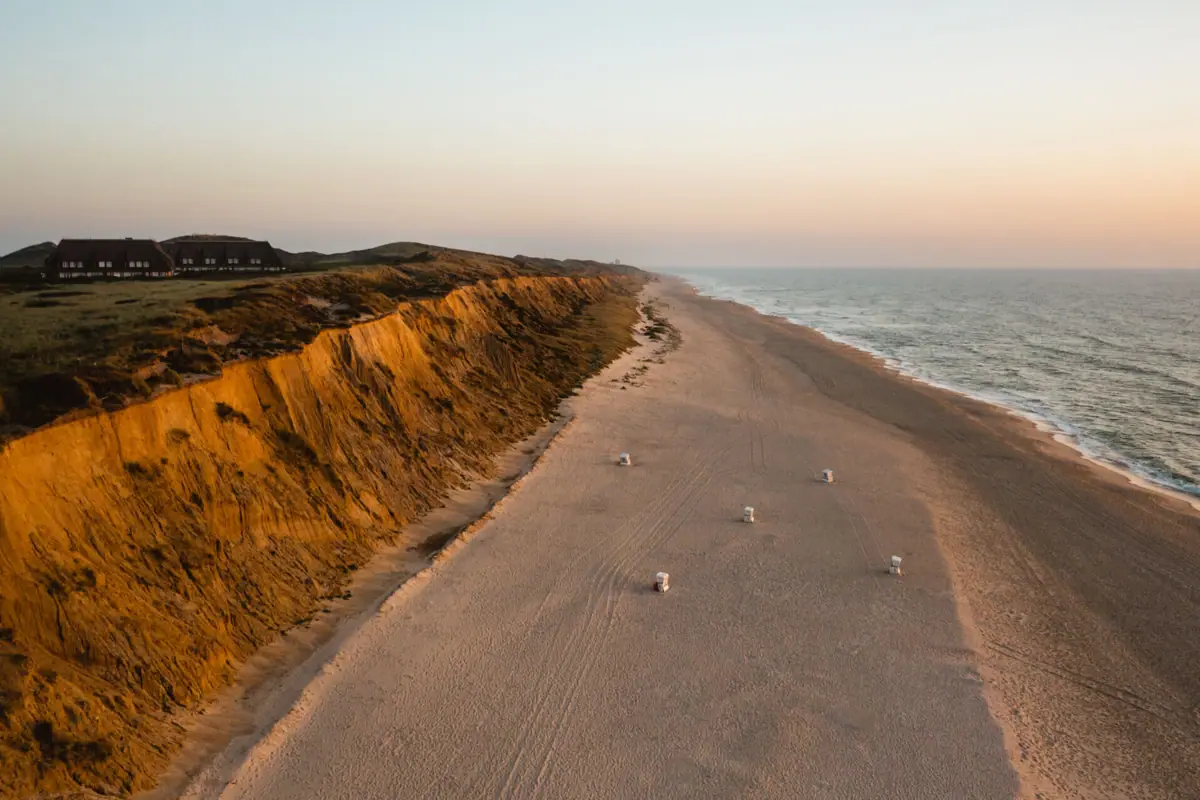
The Red Cliff
Winding down the day on Sylt follows its own rhythm and takes us back to the Rotes Kliff. Where the rust-coloured sandstone drops steeply into the sea, we find spots sheltered from the wind and watch as the sun slowly sinks into the North Sea. As we do so, we open a bottle of Crémant. Sparkling, cool, refreshing – just like the island. Whilst outside the wind drives the last seagulls across the evening sky, the sun warms our backs one last time and our glasses mist over slightly.
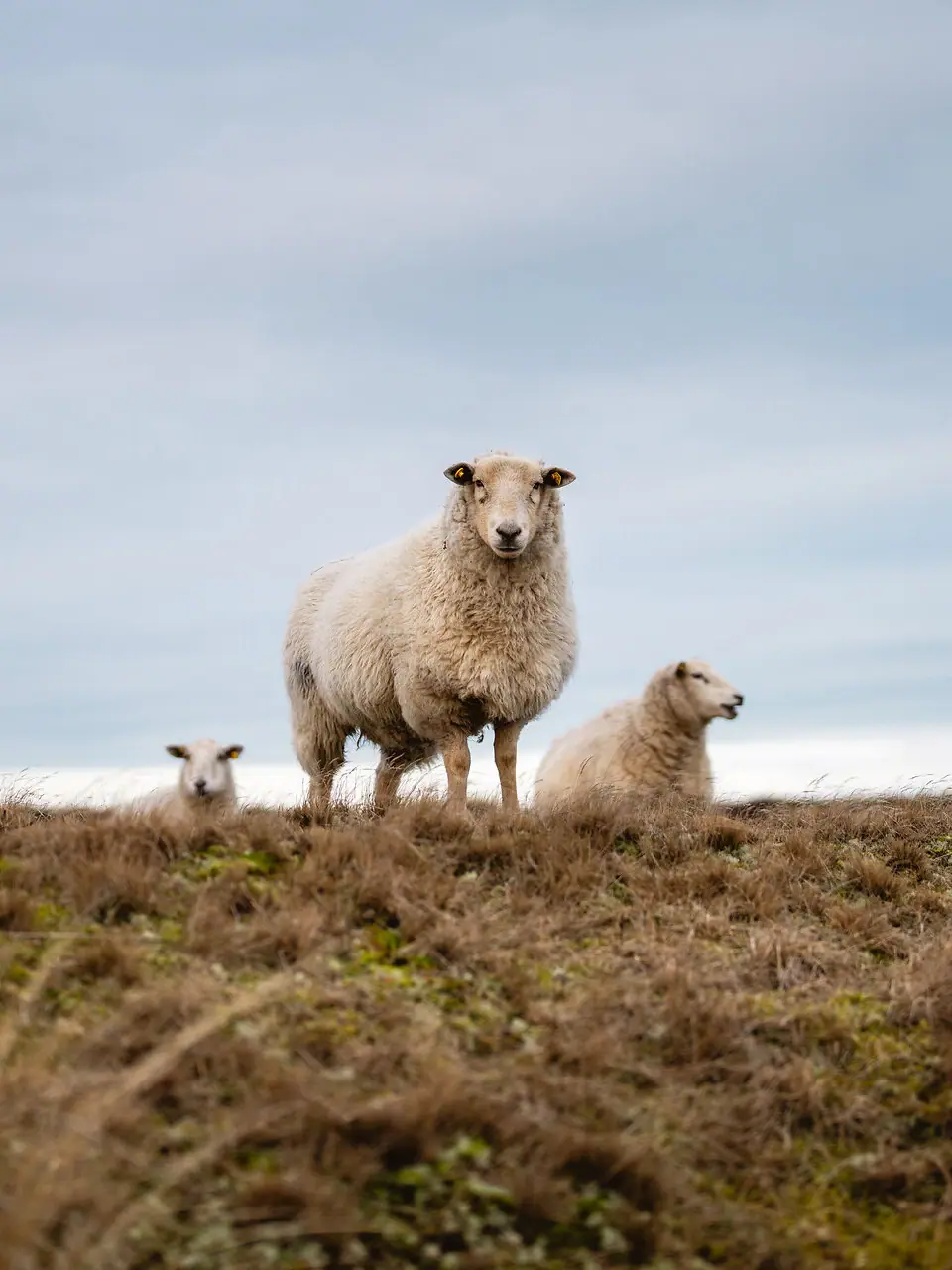
The sun has shown us the most beautiful spots on Sylt, allowing us to pause and savour the moment. It has taken us on a journey – partly a culinary one – through the north of this North Sea island. We realise that the island sets the rules. Anyone who wants to experience Sylt with all their senses should follow nature’s call. Let yourself be guided and inspired by the sun, the wind, the blue sky, the waves, the mudflats, the seagulls and the sheep. Feel. Taste. Hear. Smell. See.
And so we succumb to the island’s incomparable magic. We’ll be back – will you?
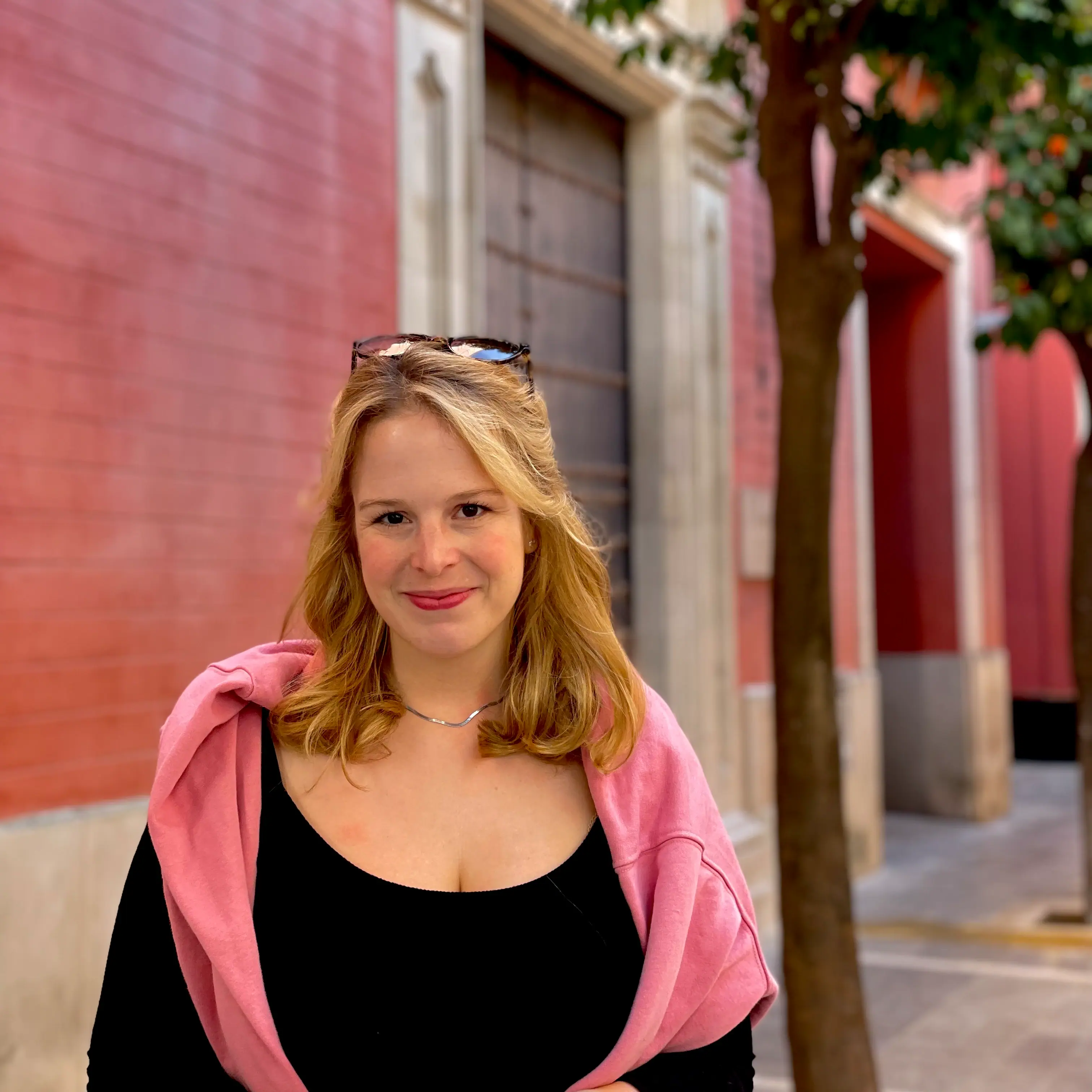
About the author:
Vanessa Hanßen
As a writer for the holiday magazine, Vanessa combines two of her great passions: her love of language and stories, and her love of travelling. Discovering hidden culinary gems is particularly close to her heart – and anyone who reads her articles will quickly realise that she also enjoys exploring her destinations actively: by bike, on a stand-up paddleboard or on foot along hiking trails. Her articles invite readers to discover new and sometimes hidden perspectives.