Where regular guests are warmly welcomed
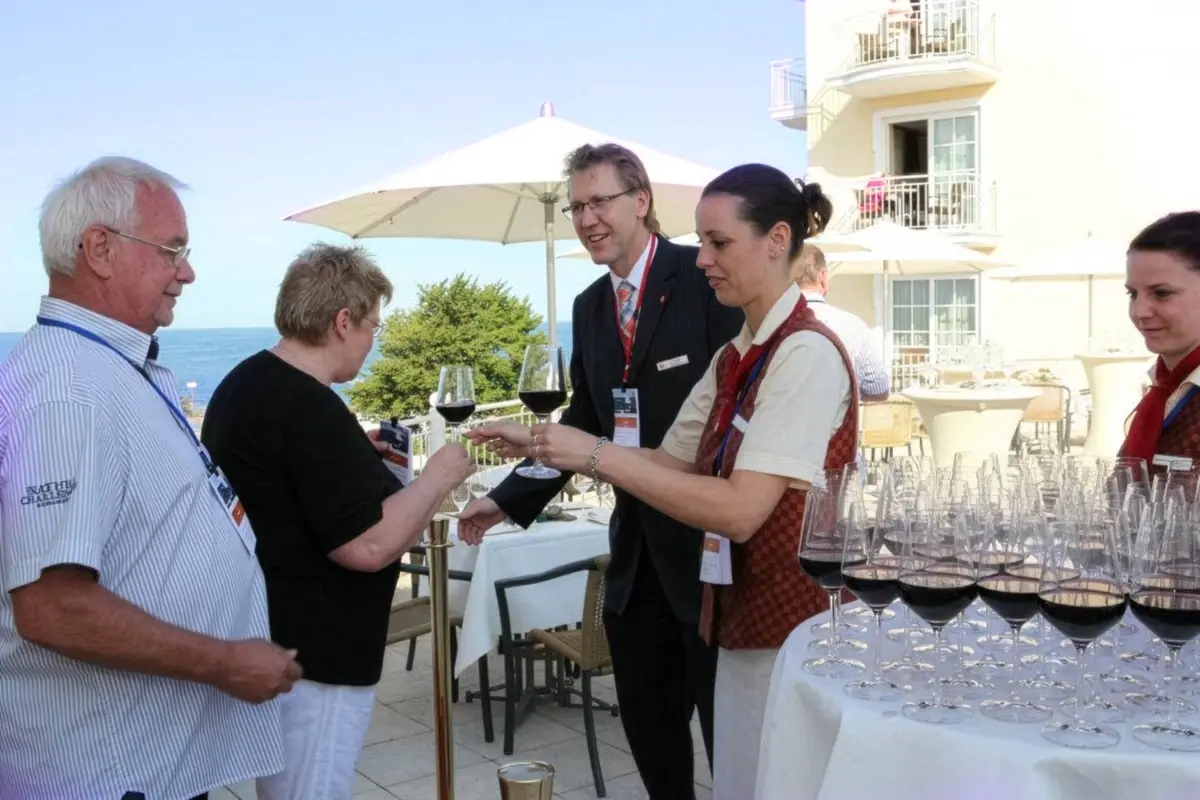
Outside the A-ROSA Kühlungsborn, a car with Potsdam number plates pulls up. Toralf Balbon looks up briefly, recognises the car and says, almost in passing: “That’s our regulars, isn’t it?” He then goes out to greet them, even before their suitcases have been unloaded. Later, this very moment will come up again in a conversation with the Nowak family – as an example of what visitors particularly appreciate here: that they don’t just arrive, but are actually expected.
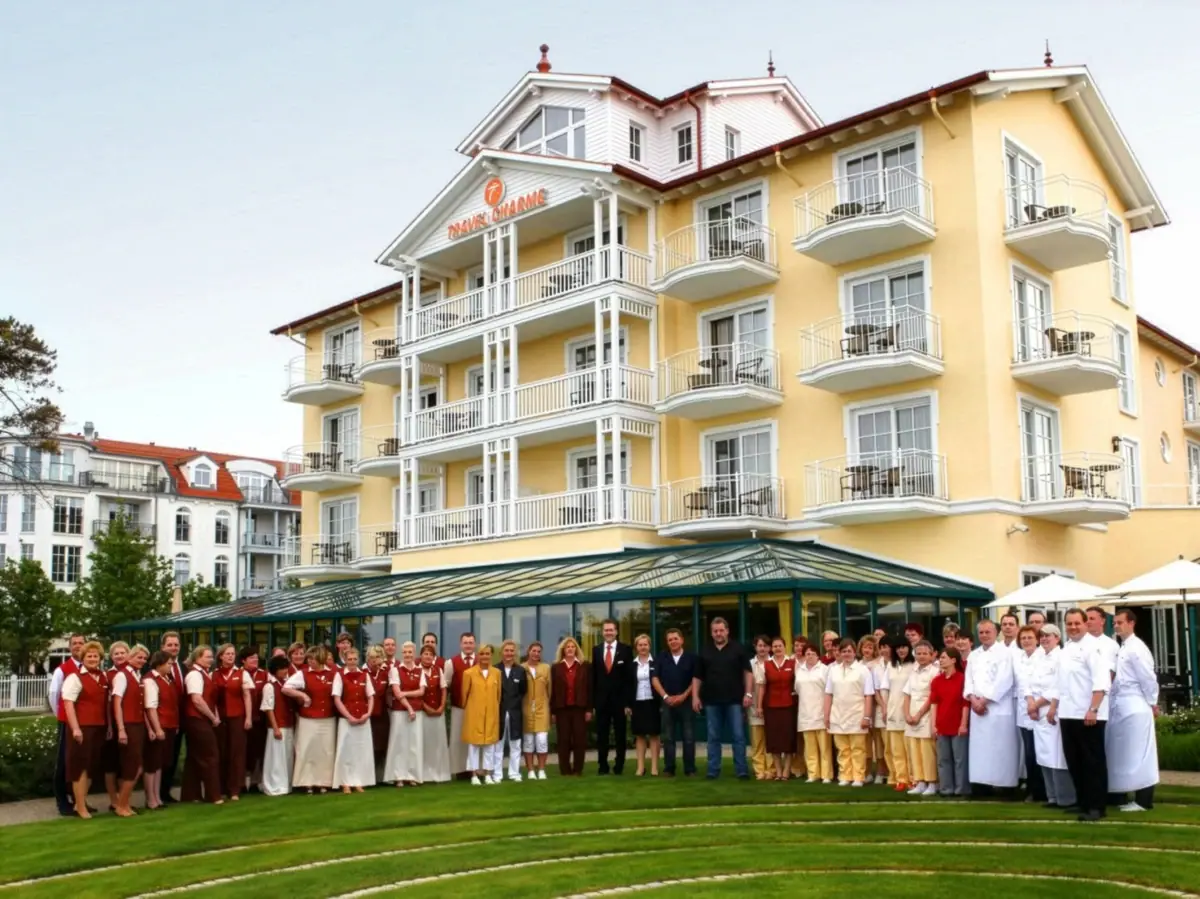
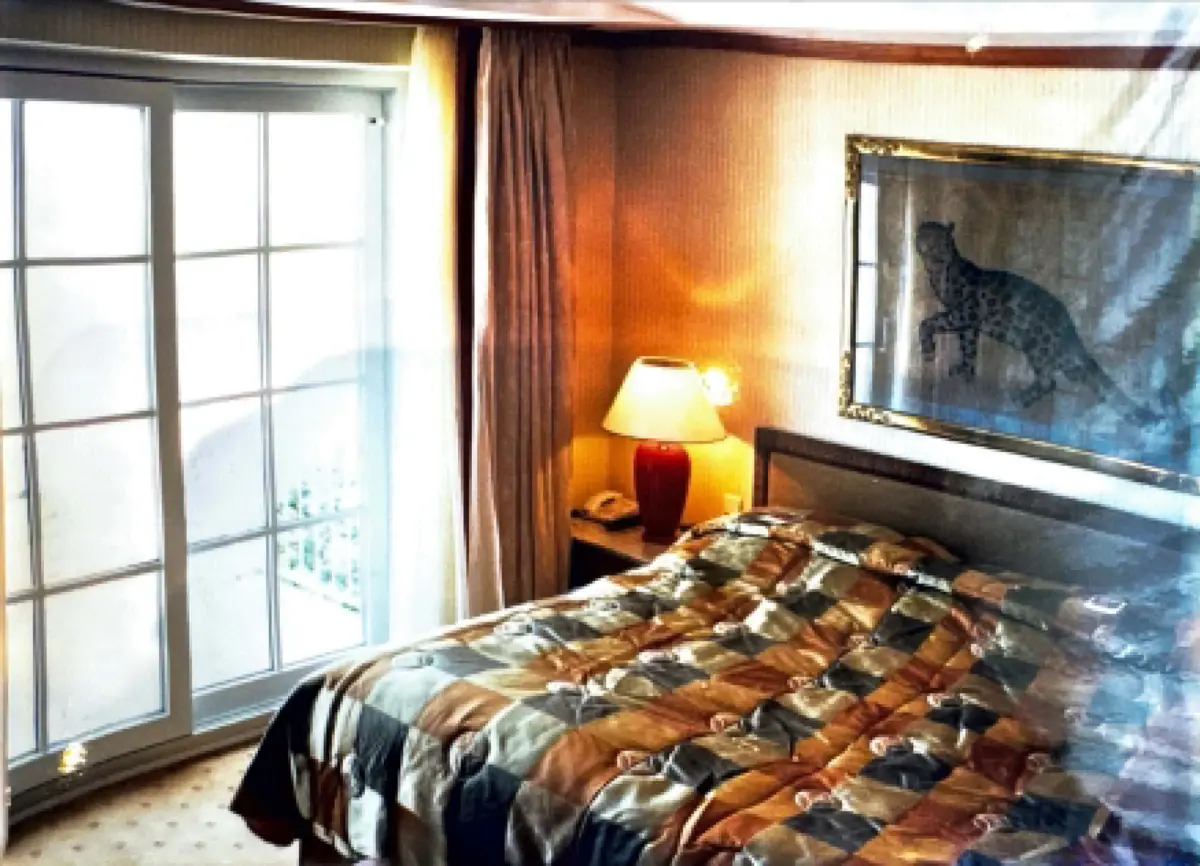
Guests from the very beginning
Somewhere inland, a travel agent recommended the detour to Mr and Mrs Kauschke, who had actually been planning to go to Warnemünde: “A hotel has just opened there. It’s quite posh.” The couple set off. They were delighted. That was twenty-four years ago. Since then, they’ve been coming every year – five, six, seven times. Today, the wife says: “I love the Baltic Sea. I need it. I just have to come back here at some point.” It doesn’t sound like a holiday wish. It sounds like a necessity.
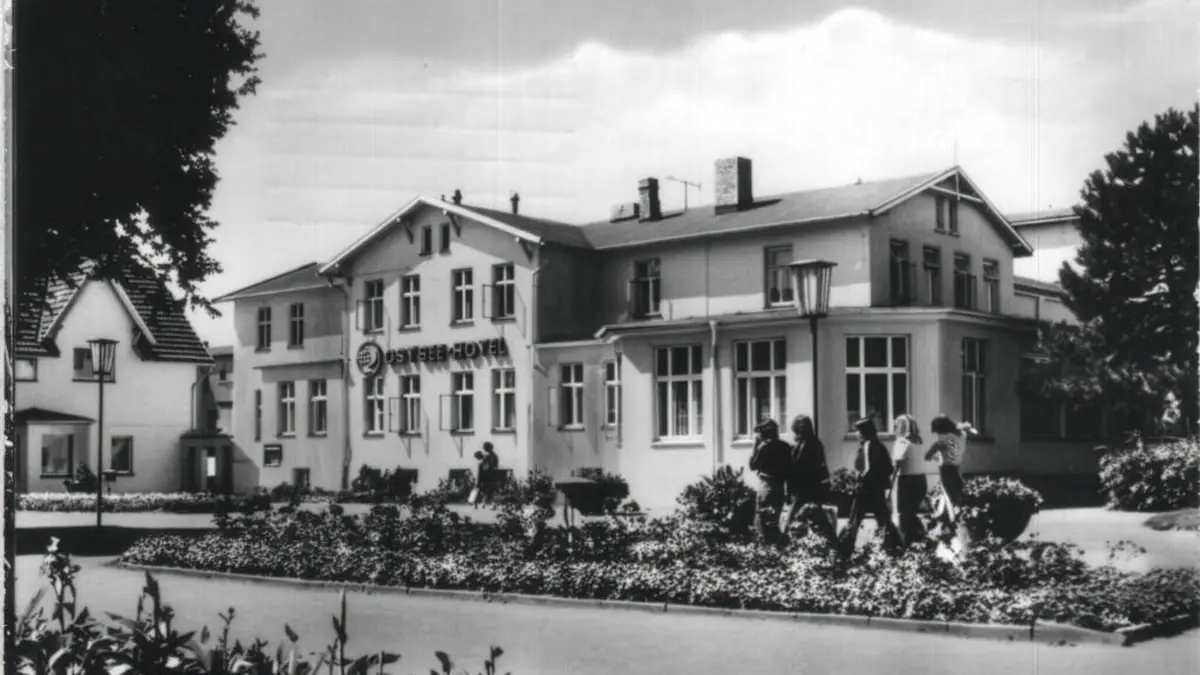
Others have literally watched the hotel grow. One group recalls watching the building take shape, even before the first guests moved in. Back then, they said: “We’ll be guests there.” And then they were. And they’ve stayed that way.
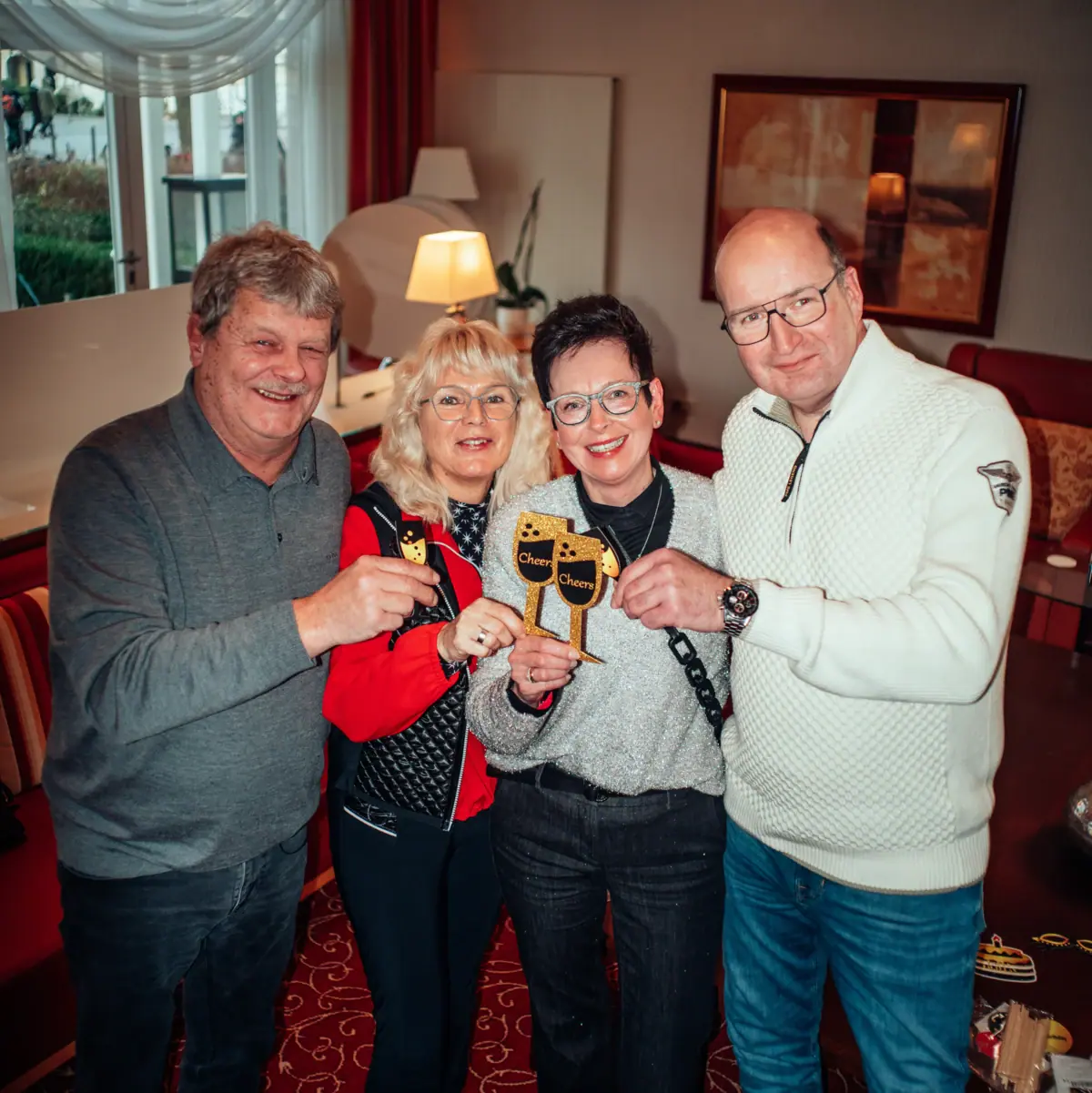
What our regulars say
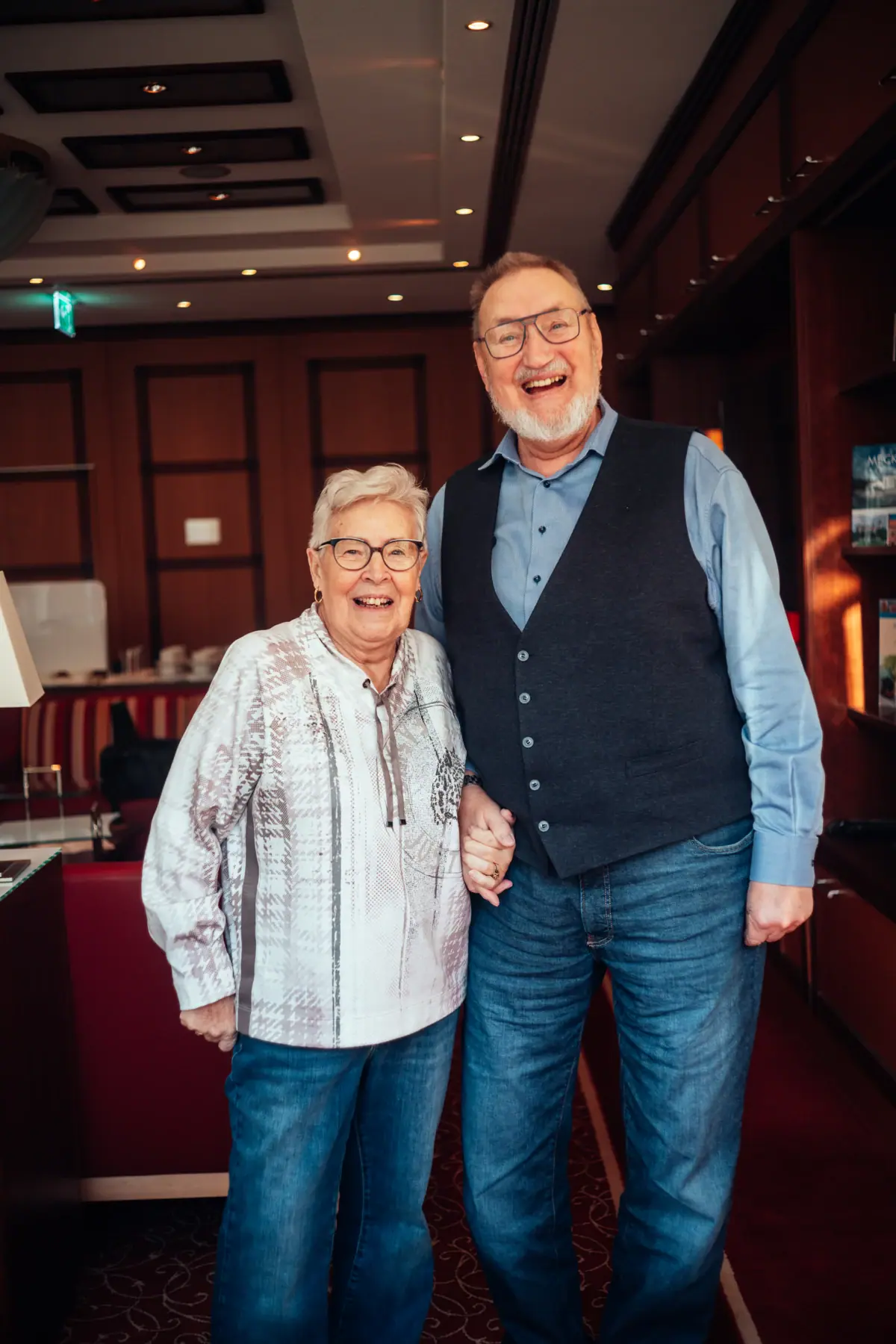
It is stories like these that really give an anniversary its significance. Not as a retrospective in figures, but as a collection of moments that have stayed with them. Mrs Nowak explains that she and her husband were here for their fiftieth wedding anniversary and received a blessing once more. When the question arises as to whether they will also celebrate their sixtieth here, she takes her husband’s hand. They look at each other and say, ‘Yes.’ A quiet moment, in which what need not be said resonates: that their health will play a part in the decision. If all goes well, they will come back. There’s a group of several couples who hardly ever see each other at home, but who find themselves coming together again here almost as if by themselves. Without any great planning. You arrive and realise: the others are here too.
Then there’s the story of Room 16. Bernd knows it so well that every evening he instinctively stands there and tries to open the door with his key card – even though he’s staying in a different room. The key card doesn’t work. He’s puzzled. His Lisbeth comes to fetch him. He’ll be back next year.
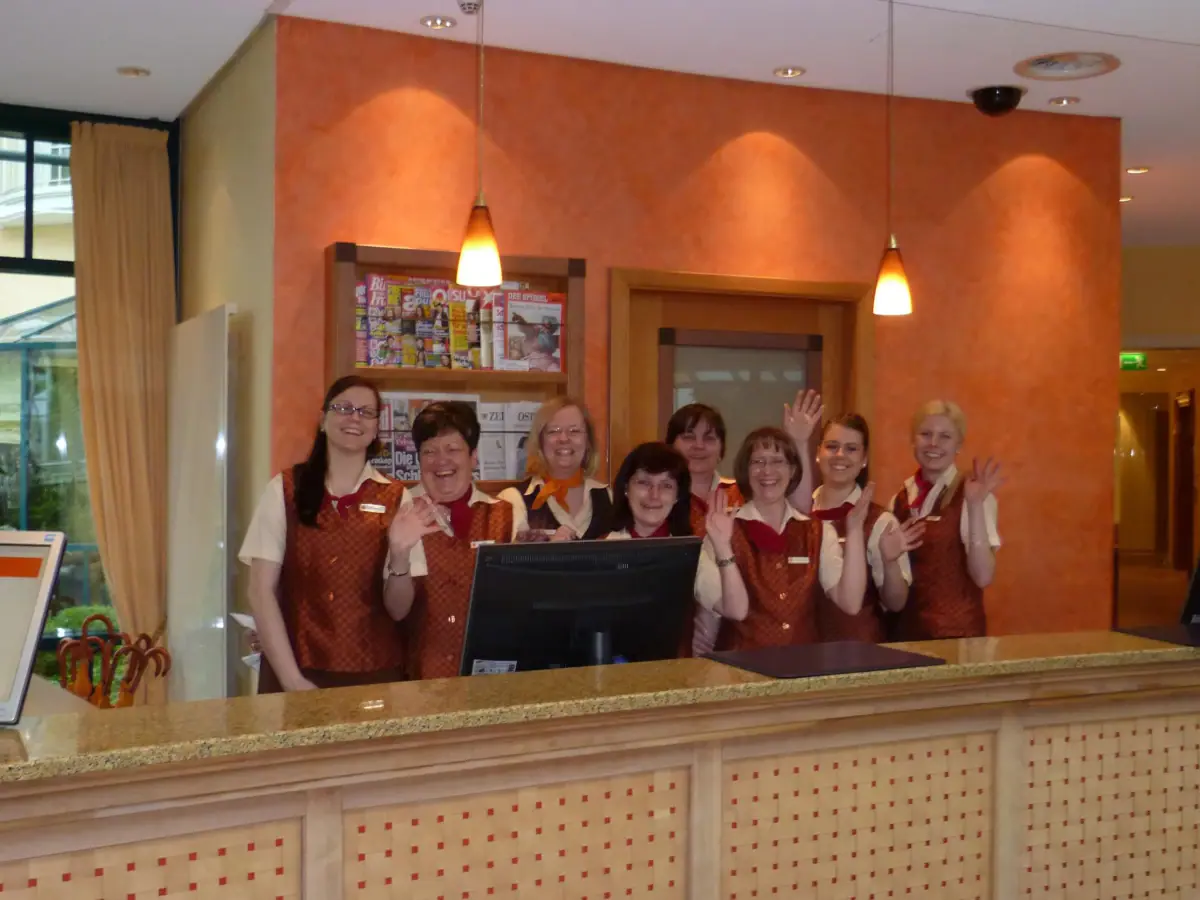
And then there’s Birgit, who invited friends round a few years ago to celebrate her fortieth birthday. They formed a conga line through the lobby. The women led the way, and the men eventually followed. That evening gave rise to a group that has been coming back ever since. Not because of Birgit’s birthday. Because of what remained afterwards.
It’s striking how often guests talk about the people at the hotel. About staff who remember them. About faces that have become familiar. About a kind of attentiveness that doesn’t feel forced. “When you arrive, they already address you by name and are delighted to see you,” says Mrs Konrad. Some staff members have been with the hotel since the very beginning. They’ve seen guests become regulars. And regulars become friends.
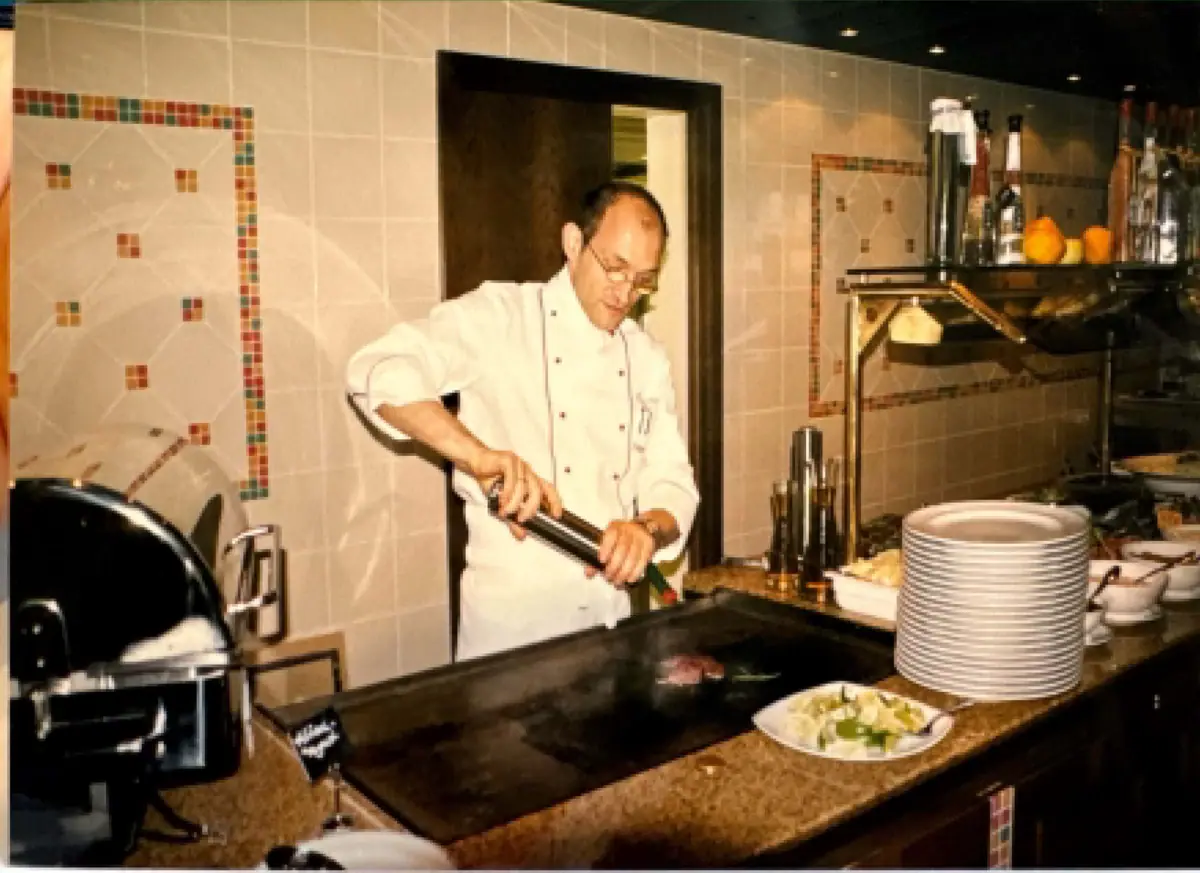
Arrive. Come back. Feel at home.
“We’ve actually never really stayed anywhere else since then,” says Mr Konrad. Another guest calls the hotel “our second home”. At some point, says Mrs Schulz, they could simply have bought a flat. But they never wanted the responsibility that comes with home ownership; instead, they wanted to be able to come back as guests. That, she says, is precisely what makes it so lovely: that they’re looked after here and don’t have to organise anything themselves. There’s no need to make statements like these sound more significant than they are. Their power lies precisely in the fact that they don’t sound like advertising jargon. They spring from a long-established habit. From years in which an initial stay has become a familiar place.
Over the years, many guests have clearly come to realise that hospitality is born of small details. In the fact that someone listens. That someone recognises who’s just pulled up. That the manager, the bellboy or the receptionist recognises the car and goes out to meet them. In the fact that, upon arrival, not only is the procedure just right, but so is the tone.
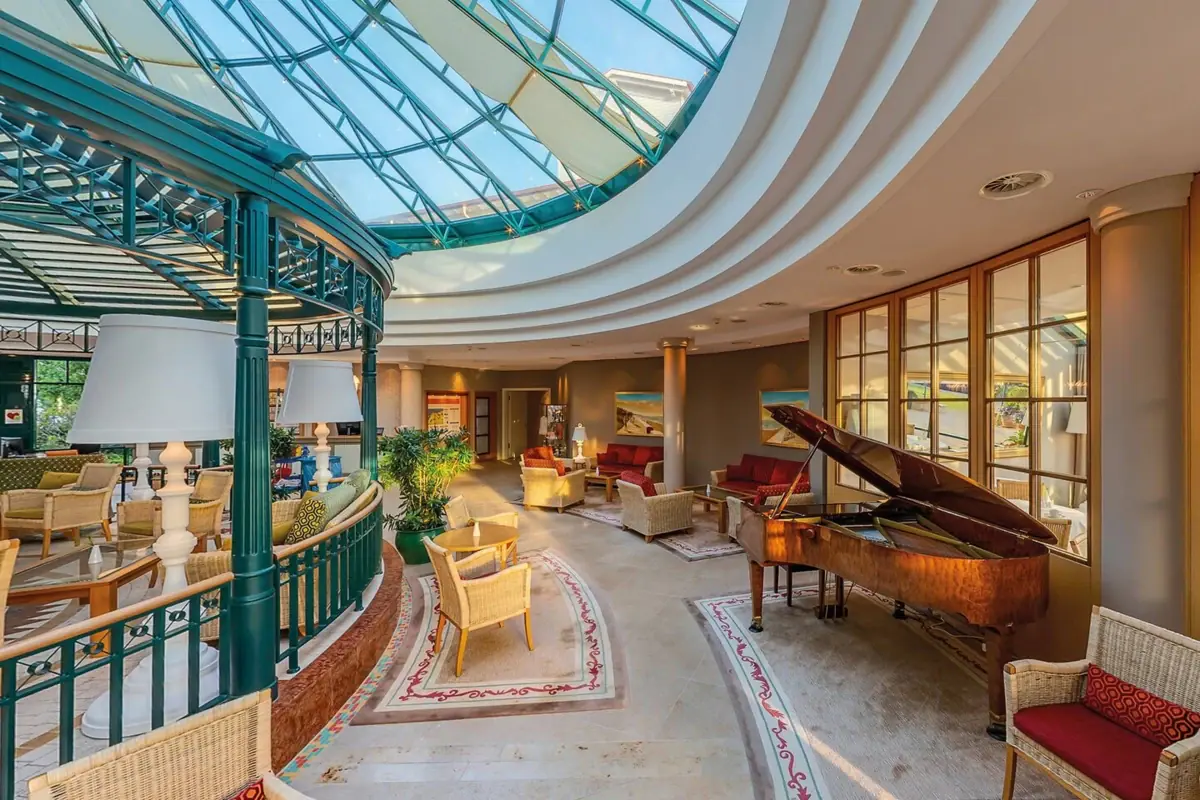
The lobby, too, features prominently in many stories. Large armchairs, plenty of light, space to linger. “People want to chat with one another whilst on holiday,” says Ms Tuschner, who has been coming here for years. “To sit together. And that’s what the lobby is for.” For many, it thus becomes the heart of the hotel – a place for conversations, encounters and long evenings without much in the way of organised activities.