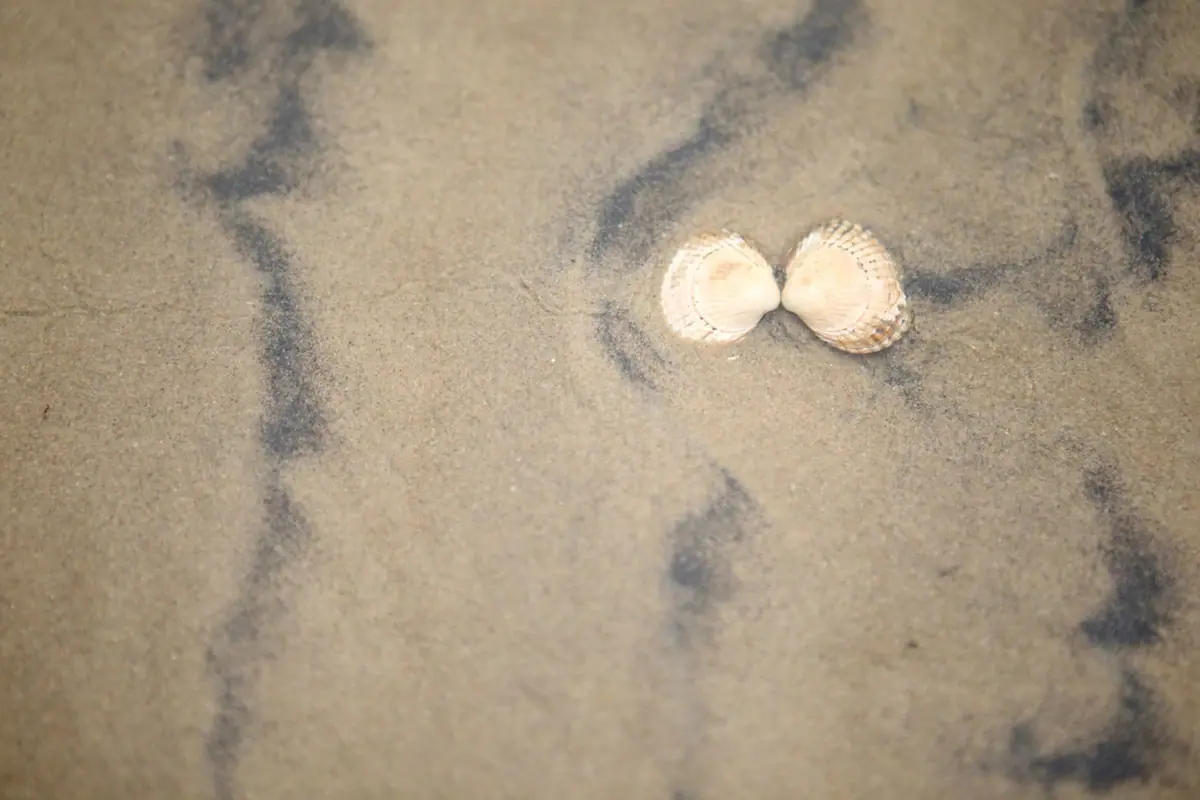
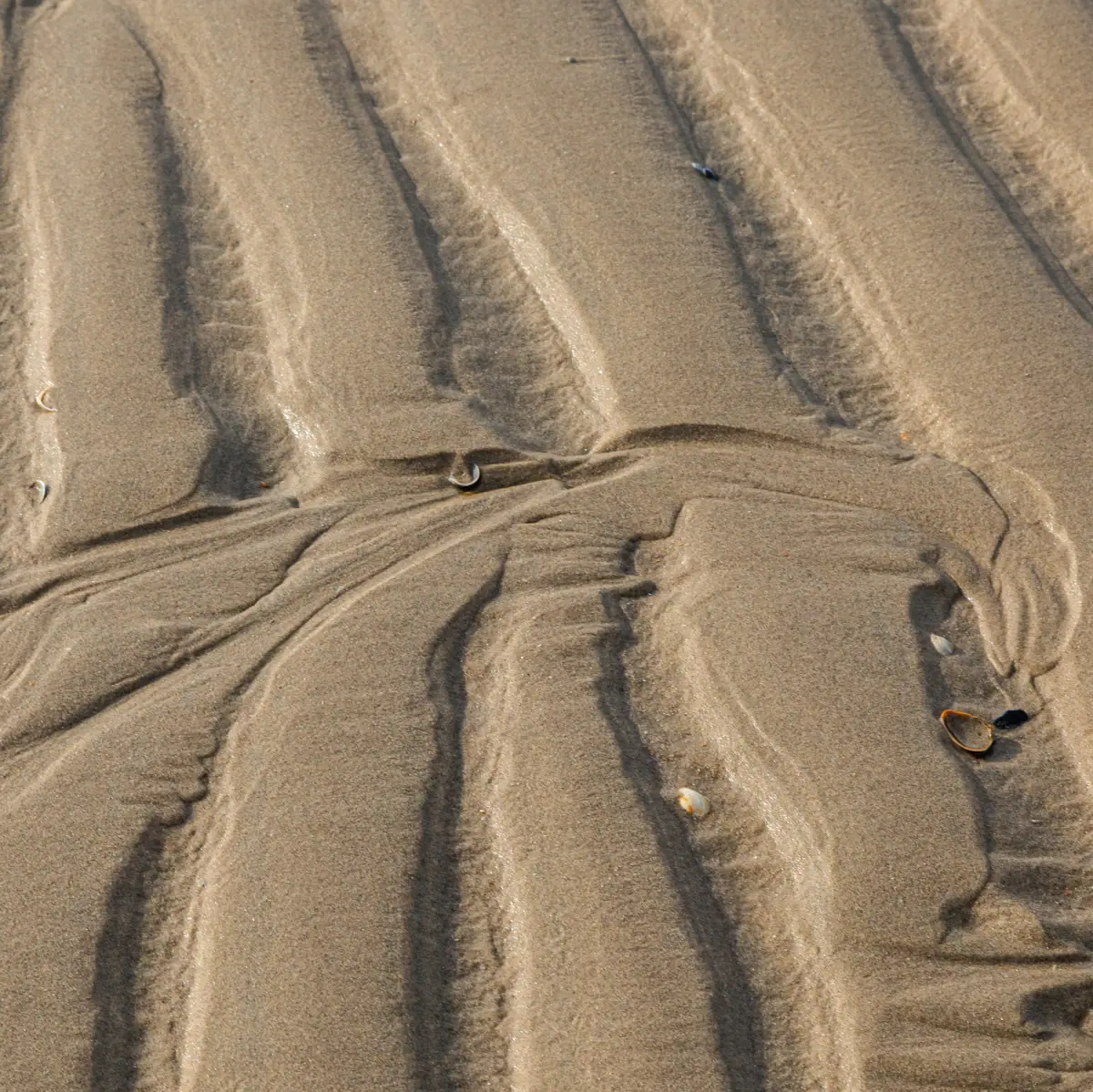
The Wadden Sea, with a few shells on the sand.
Constant change, hour by hour

Holidays on the Wadden Sea: ride the waves and be amazed

It begins almost imperceptibly. The sea recedes. At first just a narrow strip, then metre by metre. Suddenly, the seabed lies exposed, vast and smooth, and the water has given way to landscape. The sky is reflected in the tidal creeks, and fine sand ridges trace lines as if someone had painted patterns into the earth with a steady hand. Anyone who ventures out now finds themselves in the midst of a world that was only just hidden.
A close-up of the mudflats with mussels.
Change

A holiday in the Wadden Sea: A changing landscape

The ground gives way softly beneath your feet; your steps slow as there is so much to see: rivulets wind their way through the mud like narrow veins. Tiny crabs scurry away. The cries of the seagulls carry far across the open expanse. The air smells of salt, seaweed and vastness. Every step leaves a trail in the damp sand; your gaze is lost on the horizon. Yet nothing stays the same; even a short time later, the lines have shifted. Water collects in new channels. The light is lower now, making the surfaces glisten silver. The Wadden Sea never stands still; it is a place of constant change.

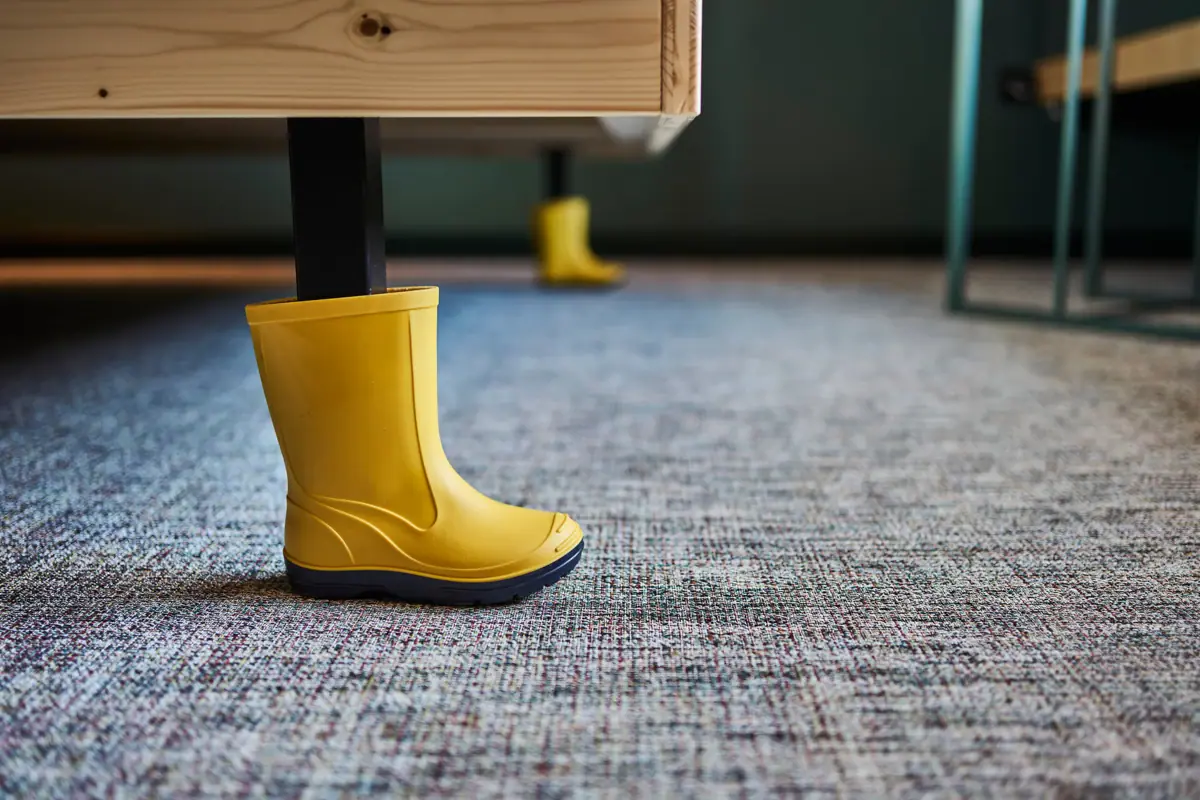
Yellow wellington boots at the Urban Nature Hotel in St. Peter-Ording.

To the rhythm of the tides

The next high tide is already looming on the horizon. Not with a roar, but quietly and calmly. The tidal creeks are filling up, the water’s edge drawing nearer. The open landscape is shrinking – yet loses none of its grandeur. It is merely changing shape. Where there was sand just moments ago, a thin layer of water now glistens. The sea is reclaiming what it revealed but a few hours ago.

Silence is the language of change in the mudflats. Without haste, without fanfare, everything follows nature’s eternal rhythm. When the water finally reaches the coast once more and buries the vast sandy expanses beneath it, the feeling of freedom does not simply vanish. You carry the tranquillity of the horizon with you over the dyke, even when the sand has long since vanished from view. What remains is a deep breath that lingers far beyond the moment itself.

Holidays on the Wadden Sea:
The Power of the Coast

Perhaps you’ll go for a few relaxing laps in the outdoor pool at A-ROSA Sylt later on. Afterwards, take another stroll along the beach promenade, feel the sun on your face and let the day draw to a gentle close. Before you, the ever-changing tides; behind you, the hotel with its maritime tranquillity. Outdoors, vast open spaces; indoors, a sense of security.

Or you might return to the Urban Nature Hotel St. Peter-Ording after a mudflat walk. A little sand still between your toes, your cheeks flushed from the fresh breeze. Inside, there’s a relaxed liveliness; you can hear conversations, and music drifts in from somewhere. Outside, the sea continues its rhythm undeterred. Nature and city life meet. Here, they are not opposites, but a balance.

Just as ebb and flow follow one another without contradicting each other, so movement and retreat complement one another. One opens up space, the other provides stability. Perhaps that is precisely where the power of the coast lies: in the confidence that both have their place.

Highlights from a holiday at the
n the Wadden Sea on Sylt and in St Peter-Ording
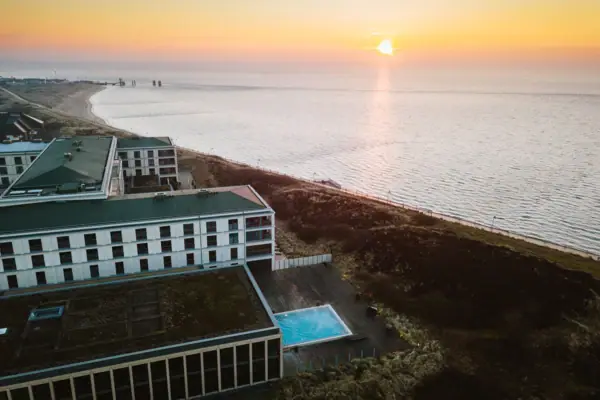
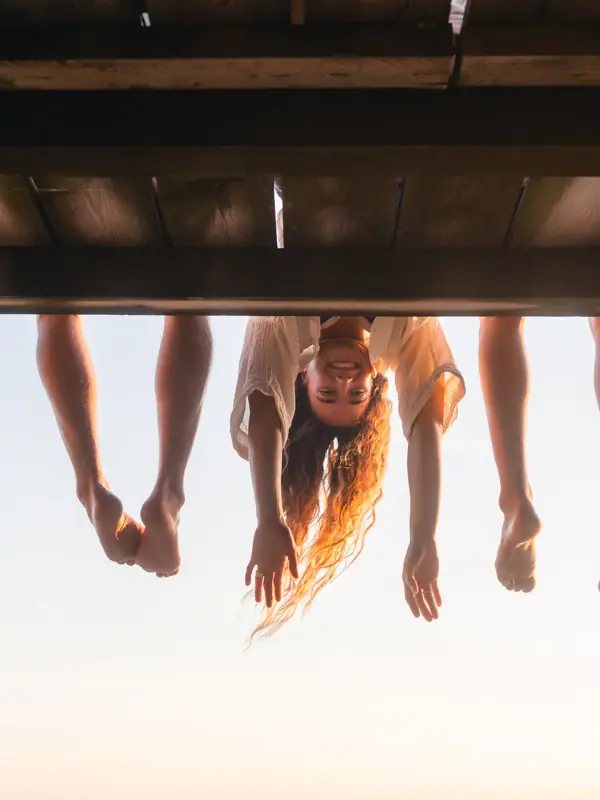
A holiday on the Wadden Sea at the A-ROSA Hotel Sylt, next to a beach at sunrise.A woman is hanging upside down with her arms outstretched on the beach at St Peter-Ording.
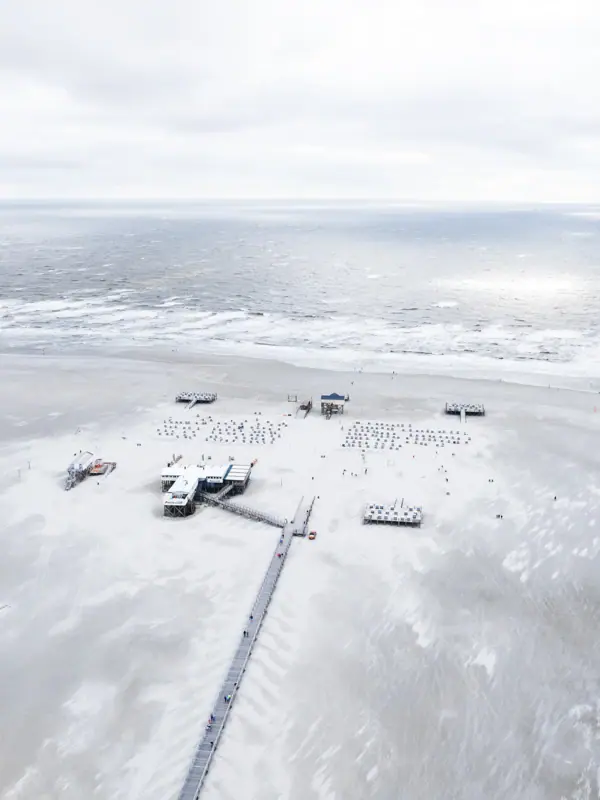
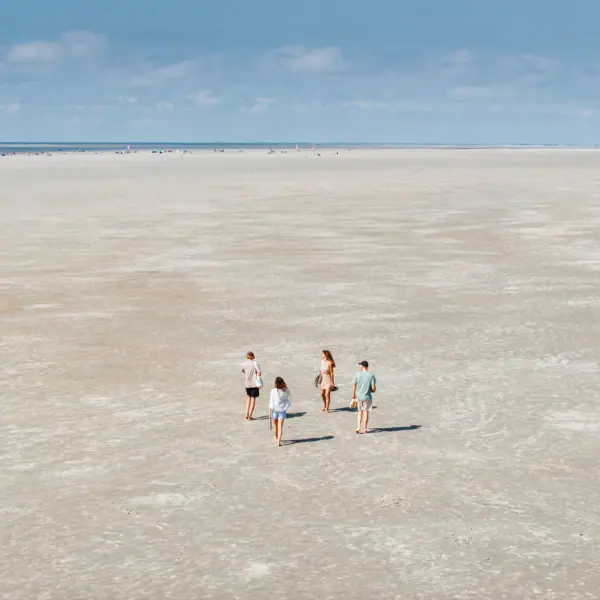
The beach at St Peter-Ording, with a pier and people on it, in winter by the North Sea.A group of people are walking along the beach at St Peter-Ording whilst on holiday by the Wadden Sea.
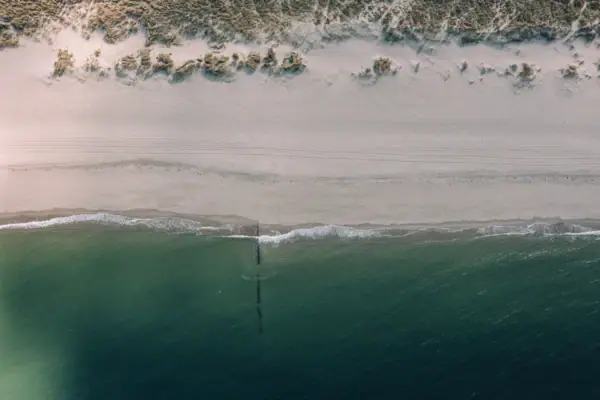
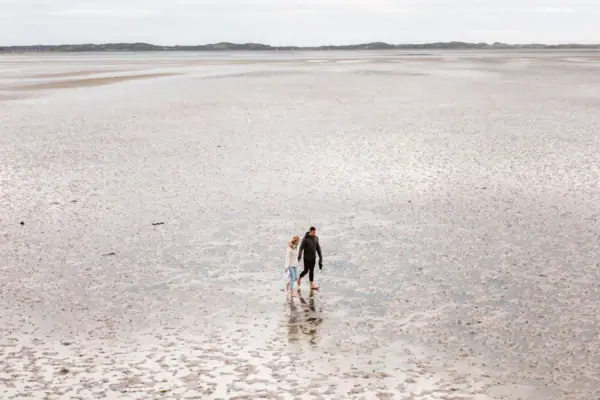
A beach with sand and water in the open air.A couple are going for a walk across the mudflats.
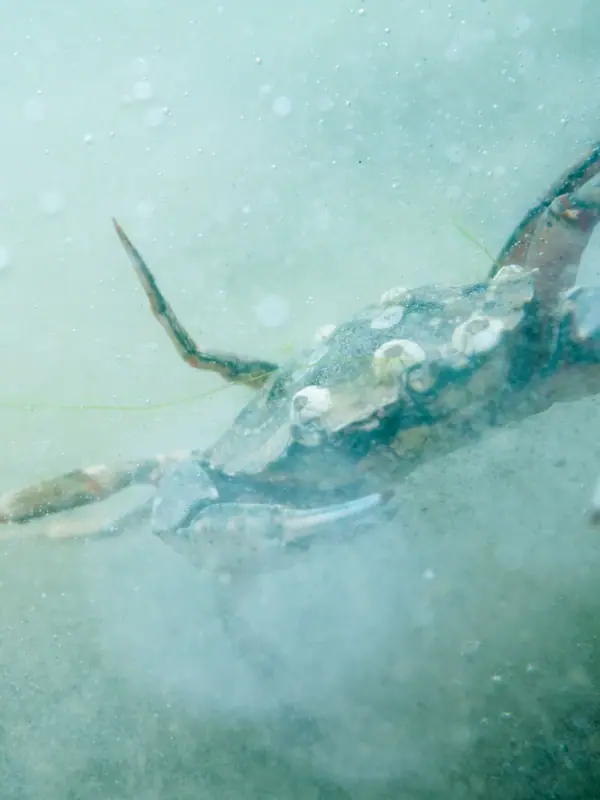
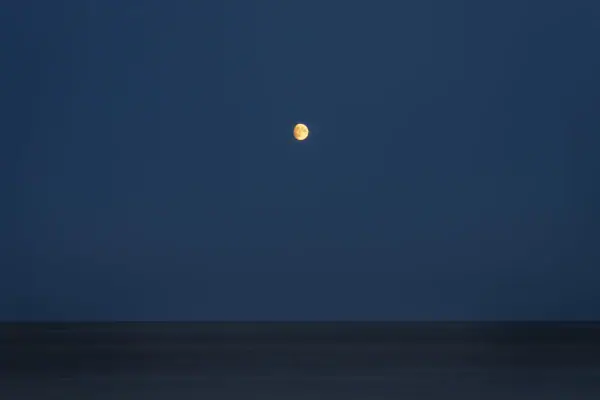
A crab is swimming in the waterFull moon in the sky

Did you know?

The North Sea Wadden Sea is the world’s largest contiguous mudflat area and has been a UNESCO World Natural Heritage Site since 2009. It stretches for around 500 kilometres along the North Sea coast.

Twice a day, the sea level here rises and falls by up to two metres. On average, there are six hours and twelve minutes between high tide and the subsequent low tide.

The Wadden Sea is home to a total of around 10,000 plant and animal species, including numerous worms, mussels, snails and small crabs. These creatures are important ‘engineers’: they loosen the soil, filter the water and thus create the basis for a unique ecosystem.

For migratory birds, the landscape is a vital stopover. Millions of birds use the mudflats every year as a resting place on their journey between the Arctic and Africa. Without the Wadden Sea, many of these routes would not be possible.

Hotels for a holiday in
, on the Wadden Sea
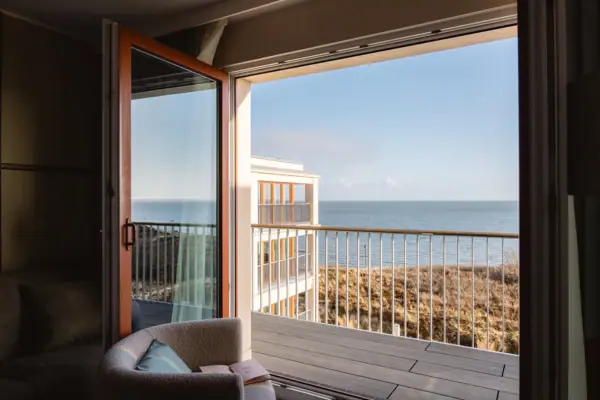
A holiday on the Wadden Sea, with a view from a hotel room at the A-ROSA Sylt of the dunes and the North Sea.

A-ROSA Sylt

About the A-ROSA Hotel on Sylt
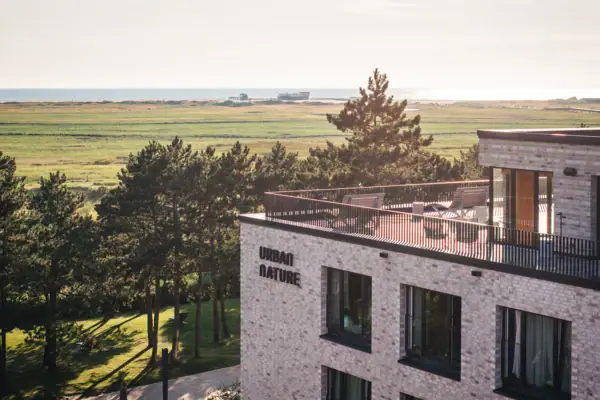
A holiday on the Wadden Sea at the Urban Nature Hotel in St. Peter-Ording, with a large roof terrace and views of the salt marshes and the North Sea.

Urban Nature SPO

About the Urban Nature Hotel in St. Peter-Ording


’s Frequently Asked Questions about holidays on the Wadden Sea

What exactly is the Wadden Sea?

The Wadden Sea is a coastal landscape on the North Sea that is exposed and then flooded again twice a day in time with the ebb and flow of the tides. It is the world’s largest contiguous mudflat area, stretching for around 500 kilometres, and has been a UNESCO World Natural Heritage Site since 2009.

What is a mudflat walk?

On a mudflat walk, you walk across the exposed seabed at low tide, which is otherwise submerged. Amidst tidal creeks, sand channels and tiny crabs, you can experience the landscape up close – and it’s safest to do so in the company of a guide who knows the area well.

Why is the Wadden Sea only found on the North Sea coast?

The Wadden Sea forms where a flat, gently sloping coastline, a sufficiently large tidal range and offshore islands come together, and it is precisely this combination that is found in the southern North Sea. Because the land here rises only slightly and the sea level rises and falls by up to two metres twice a day, vast areas are exposed at low tide. At the same time, the islands absorb the force of the surf, allowing the fine silt to settle.

What are the characteristic features of the Wadden Sea?

A typical feature is the constant change dictated by the ebb and flow of the tide: twice a day, the seabed is exposed and then disappears beneath the water again. This includes tidal creeks and fine sand channels, the smell of salt and seaweed, vast silence stretching to the horizon, and a rich variety of life comprising worms, mussels, snails and small crabs. It is a habitat that also serves as a resting place for millions of migratory birds.

What sort of shoes should you wear on a mudflat walk?

Traditionally, you walk barefoot – which is most comfortable from around 15 °C, but carries the risk of minor cuts from mussel shells. Tight-fitting neoprene or surf shoes, or wading socks, offer good protection.

When is the best time for a mudflat walk?

It’s best to set off around low tide, when the water has receded and the seabed is exposed. On average, there are six hours and twelve minutes between high and low tide. A tide table or a guided tour can help with planning.

Where can you go on holiday to the Wadden Sea?

A holiday on the Wadden Sea is ideal along the North Sea coast – for example, at the A-ROSA Sylt or the Urban Nature Hotel St. Peter-Ording. Both hotels combine the vastness of the mudflats with relaxation right by the coast.

Erik Grügers

Studied Media Studies and American Studies

Freelance copywriter

Certified AI Manager

About the author:
Erik Gürges

Erik Gürges studied Media Studies and American Studies at Philipps University of Marburg. His professional career began, quite literally, with the big screen – namely in the external press office of the film studio MGM. Since 2010, as a freelance copywriter, he has been helping individuals, companies and agencies across a wide range of sectors to find the right words to describe their products, ideas and services. As a certified AI manager, he also oversees projects focusing on the effective use of artificial intelligence in communication and content.