A woman in a swimsuit.
Pause for a moment

Slowing down:
Thoughts on time whilst on holiday

On being on the move and arriving.

Have you ever noticed that there are questions that seem to crop up only whilst on holiday? They usually arise at moments when the day doesn’t immediately set a course. When thoughts are given time to unfold, something begins that rarely happens in everyday life. Suddenly, you find yourself pondering things that previously seemed to matter little. And sometimes this leads to insights that reveal a surprising amount about the very nature of a holiday.

Slowing down

How long can a morning last?

A woman in a swimsuit, physical fitness.

One of these questions is: Can a morning be more than just the start of the day? At home, the early hours are often a time of transition. Between getting up, having breakfast and the first appointments, they often pass more quickly than you realise.

On holiday, this rhythm changes. The day begins more peacefully. When you step out onto the balcony in the morning and the crisp mountain air or the salty sea breeze dispels the last traces of tiredness, when your gaze wanders unhurriedly over rooftops, water or meadows, time suddenly seems to stretch out.

Whether it’s the first warm ray of sunshine on your skin, the steady patter of rain through the canopy of leaves, or the sounds of a place slowly coming to life: a holiday transforms time from a strict timekeeper into a gentle companion.

With this tranquillity, another question almost arises of its own accord.

A woman in a swimsuit on a rubber ring.
Slowing down

Why does everything seem easier here?

Thoughts often seem clearer on holiday, and decisions lose their weight. Sometimes, even what we consider important changes. It is not the big, carefully planned outings that stay in our memories, but the spontaneous moments. A walk is taken on a whim. A break lasts longer because the moment feels so pleasant. A conversation takes on greater depth because nobody is watching the clock. Even simple things are given space: gazing into the distance, a brief stop at a viewpoint, quietly observing what is happening right now.

A different pace emerges. The surroundings play their part. A landscape can spark new thoughts; a place can give the day a direction without defining it. Your steps lead you wherever seems interesting at the time. Plans are allowed to change; routes emerge spontaneously. The day unfolds bit by bit, bringing with it a sense of lightness that may have been missing before.

At some point along the way, a new question arises.
Slowing down

Where does this path lead, one that I haven’t even planned yet?

Often right where a day’s holiday holds its finest moments: little discoveries that cannot be planned. When the journey itself becomes an experience, a bend in the road is not simply a bend, but a place that opens up a new perspective. A small square invites you to linger, a fleeting greeting turns into a conversation, and a narrow path leads on, even though no one yet knows what lies beyond the next bend.

It is precisely this aimless wandering that is one of the special freedoms of a holiday. Those who aren’t constantly rushing from one appointment to the next discover things that would otherwise remain hidden: a small chapel by the wayside, a bench with a lovely view, or a hidden cove whose magic only reveals itself as you draw nearer.

As you make your way, your view of the surroundings also changes. It no longer seems like a backdrop for a day’s holiday, but rather a space in which you move with increasing ease. The place begins to feel more familiar.

With this sense of familiarity, the next question arises almost incidentally.

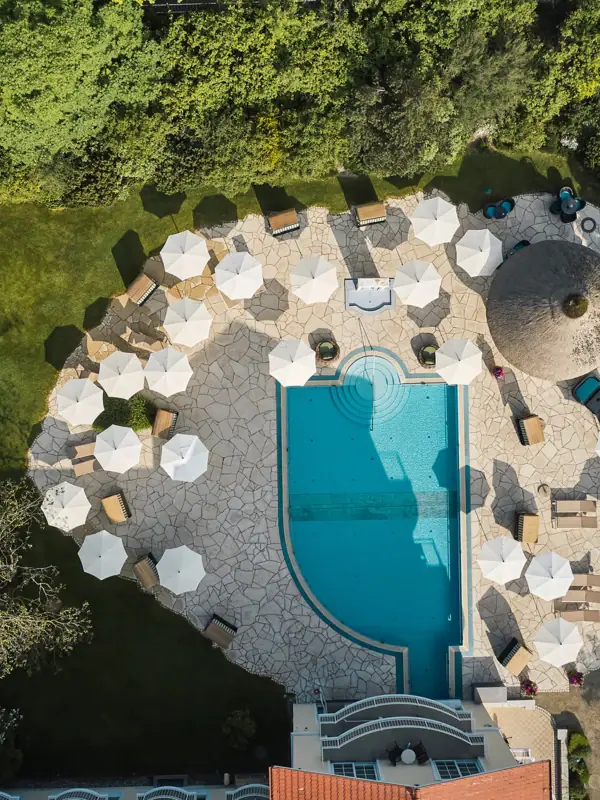
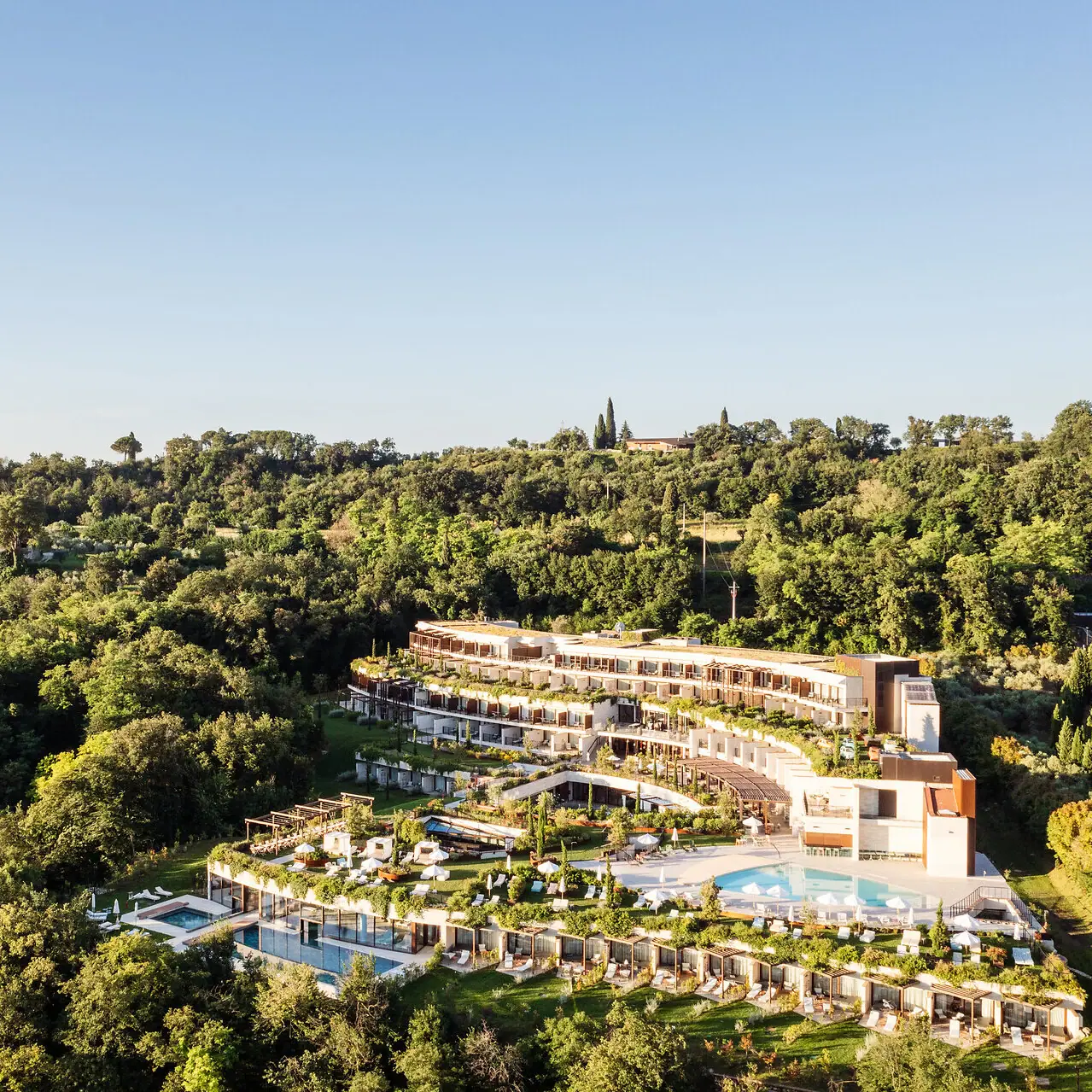
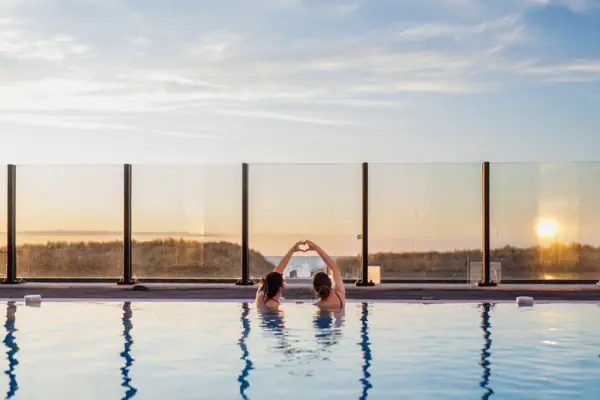
Two women swimming in a pool.Aerial view of a swimming pool with parasols and surrounding plants and trees.
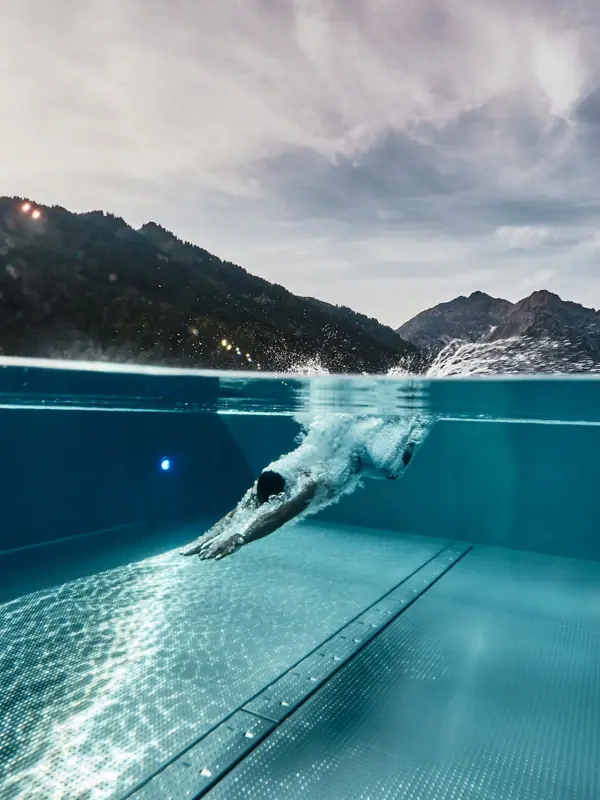
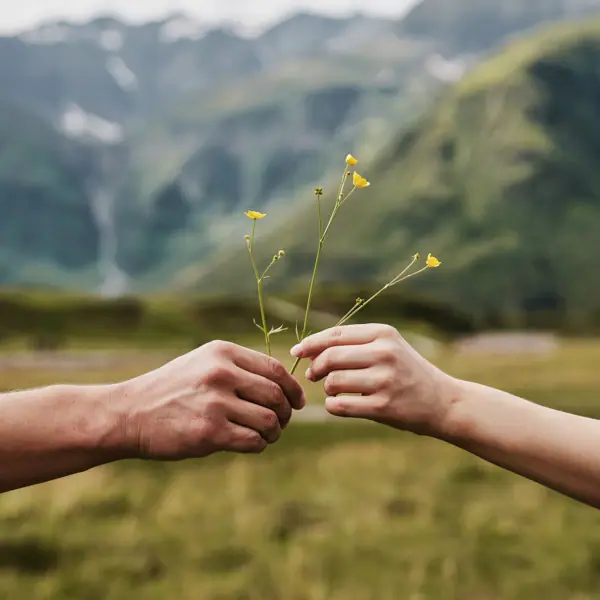
A person is swimming in a pool with mountains in the background.A person is holding a plant.
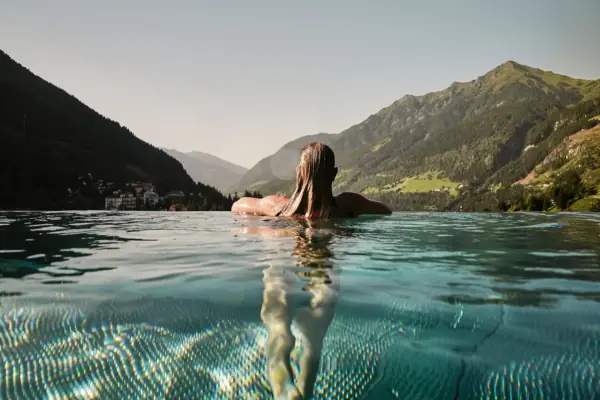
A person is scraping some food off a plate with a knife.Woman in a swimming pool with mountains in the background
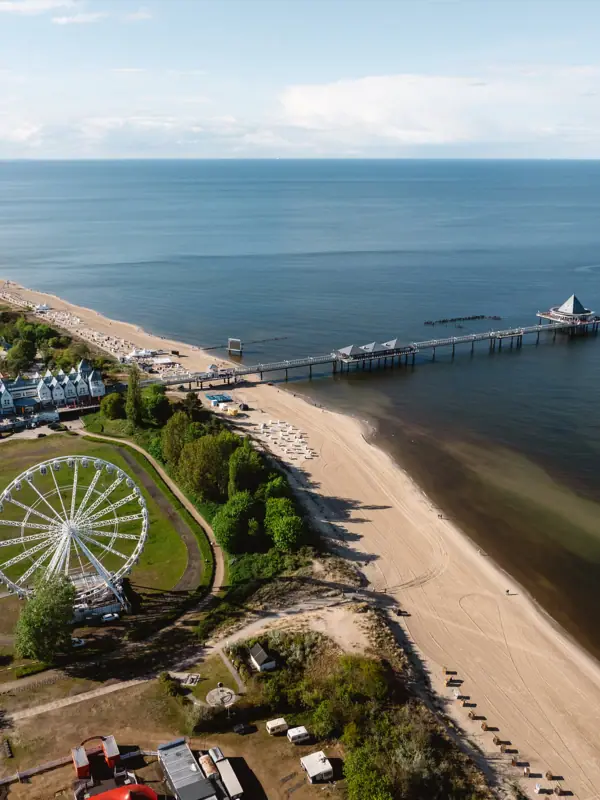
A beach with a pier and a Ferris wheel in the background.
Slowing down

Can a single glance be enough to make you feel at home?

Sometimes, a single moment is really all it takes. Nature often plays the leading role. Whether it’s the awe-inspiring grandeur of the mountain ranges, which radiates a sense of permanence, or the endless blue of the sea, which stirs a sense of longing – suddenly, you get the feeling that everything just falls into place right here.

The place may still be new to you, but the moment feels familiar and immediately right. As if this very view had been waiting just for you. Arriving then means more than simply reaching a destination. It means connecting with a place on a deeper level.

When that happens, your sense of time inevitably changes too. Thoughts become calmer, conversations more relaxed, your pace slower. No pressure of deadlines, no flashing screens. The day finds a new rhythm. And suddenly, a holiday means more than just a break from everyday life. A quiet sense settles in that you have truly arrived – in the moment, in a place, perhaps even a little bit within yourself.

At that moment, the final question arises.

Slowing down

What does time feel like when you don’t measure it?
A woman is lying on a towel.

We usually divide our days into hours and minutes. On holiday, however, as soon as the suitcase is put down and we’ve taken our first deep breath, this rigid structure begins to dissolve. A morning can seem surprisingly long when spent watching the birds, observing the clouds or listening to the wind in the trees. Days feel fuller, even though they are less planned.

As soon as we stop constantly checking the time, time ceases to be seen as a scarce resource. We enter a state in which reflection and sensory impressions merge. Experiences are allowed to sink in without being judged straight away. Thoughts unfold slowly as the day progresses.

If you simply let the moment unfold, you also give your surroundings space to make their mark. A place then becomes more than just a backdrop for activities; it becomes a partner in pausing to reflect – perhaps through the view of a tranquil mountain lake, the scent of a shady forest, or the soothing crackle of a log fire.

At the end of such a day, what remains is not a completed itinerary, but a sense of fulfilment. The realisation that time is most precious when it is experienced mindfully.

Perhaps it is precisely in these moments that the true value of a holiday lies: in the certainty that time does not always have to be measured to be valuable.

Sometimes it is enough simply to experience it.
Hotels for
: taking it easy on holiday

Frequently Asked Questions
on the topic of slowing down

What does ‘slowing down’ mean?

‘Slowing down’ refers to the conscious act of reducing one’s own pace – fewer appointments, less rushing about, and paying more attention to the present moment. The term originates from sociology and describes the counter-movement to the constant acceleration of modern everyday life. On holiday, slowing down often happens naturally: the clock becomes less important, and the day is shaped by your own rhythm rather than by a schedule.

What are the effects of slowing down?

Slowing down reduces stress levels and creates space for genuine relaxation. People who take the pace off usually sleep better, think more clearly and are more aware of their surroundings. Less tension can lower cortisol levels and improve concentration. This effect is amplified on holiday, as time pressure and sensory overload are eliminated and the body is able to relax.

What tips are there for slowing down?

Slowing down is achieved through small, consistent habits:

  • Schedule regular breaks and put your smartphone away whilst you’re taking them.
  • Leave gaps in your daily schedule rather than planning every hour.
  • Do one thing at a time, without multitasking.
  • Spend time in nature, for example on a walk with no particular destination.
  • Eat and breathe more slowly, mindfully.
Why is it important to slow down?

Slowing down is important because constant rushing overburdens both body and mind. Being constantly on call, packed diaries and a constant barrage of stimuli lead to exhaustion over time. Those who regularly slow down can prevent the consequences of stress and gain the perspective needed to distinguish what is important from what is urgent. A holiday provides the natural setting for this – far removed from the routines that dictate the rhythm of everyday life.

What is the difference between slowing down and relaxation?

Relaxation describes the state in which the body and mind find peace. Slowing down is the path to achieving this: the conscious act of reducing the pace and adjusting one’s daily routine. You can relax briefly without changing anything. Slowing down, on the other hand, has a longer-lasting effect because it addresses one’s habits themselves. On holiday, the two often go hand in hand.

How can you slow down whilst on holiday?

On holiday, it’s easiest to slow down if you don’t plan every day down to the last detail. Leave room for spontaneity, put your smartphone away from time to time, and follow your own rhythm rather than sticking to a fixed schedule. Even just a leisurely morning or a walk with no set destination can make a noticeable difference to the pace of your day.

How long does it take for slowing down to have an effect?

The first effects often become apparent after just a few days. Many travellers are familiar with the feeling that it’s only from the third or fourth day of their holiday that the stresses of everyday life really start to fade away. The longer the break, the more profound the sense of slowing down – though there’s no hard and fast rule, as everyone’s pace is different.

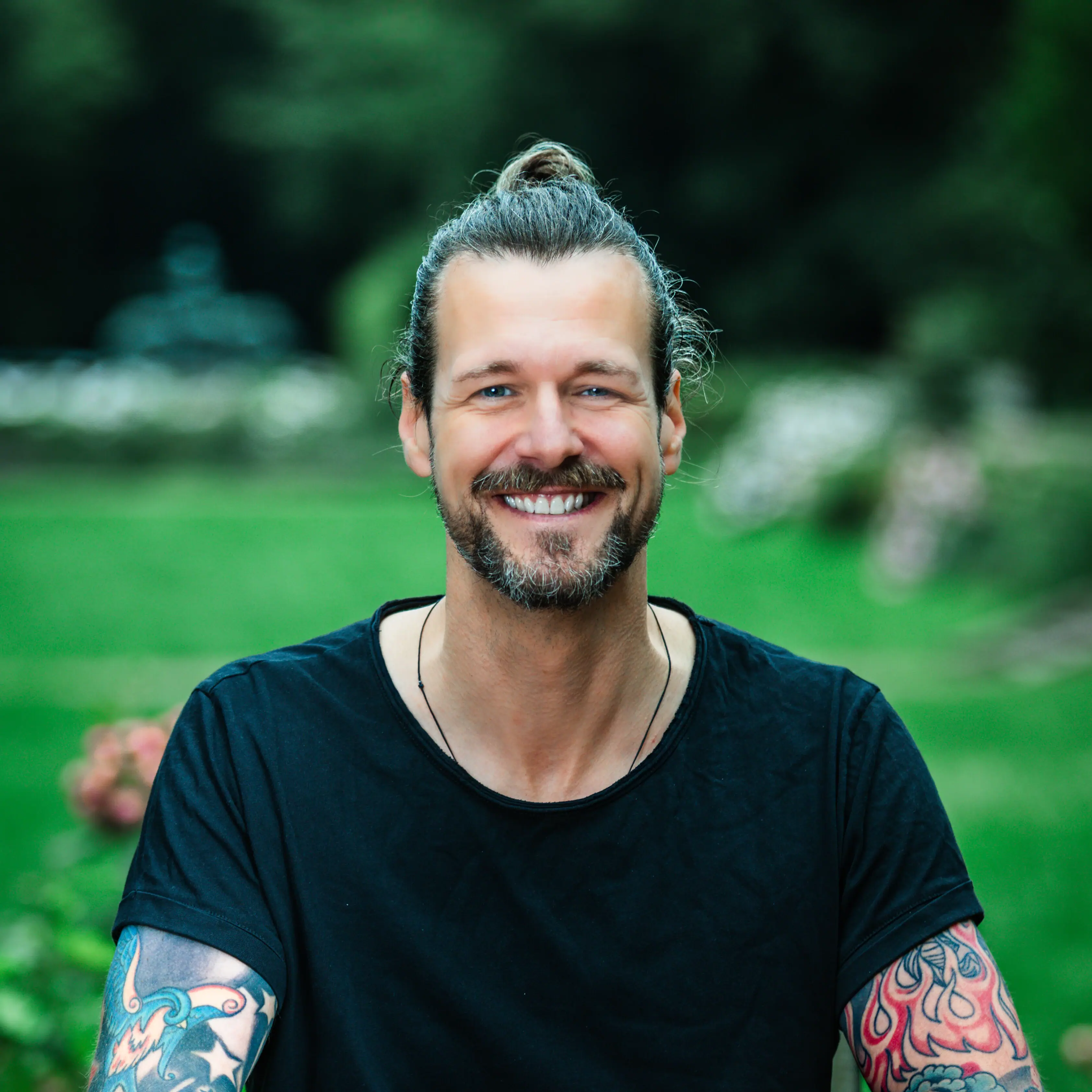
Erik Grügers

Studied Media Studies and American Studies

Freelance copywriter

Certified AI Manager

About the author:
Erik Gürges

Erik Gürges studied Media Studies and American Studies at Philipps University of Marburg. His professional career began, quite literally, with the big screen – namely in the external press office of the film studio MGM. Since 2010, as a freelance copywriter, he has been helping individuals, companies and agencies across a wide range of sectors to find the right words to describe their products, ideas and services. As a certified AI manager, he also oversees projects focusing on the effective use of artificial intelligence in communication and content.