Bad Gastein: A place where time sounds different
Bad Gastein is a place where time seems to pass more slowly. As soon as you arrive, time fades into the background. Not because nothing is happening, but because everything here follows its own rhythm. A rhythm that creates space for the things that are often overlooked. Let yourself be swept along by it.
The luxury of a slow start
When day breaks, it does so here without haste. The mountain air is fresh; even in the height of summer, it is clear enough to take a deep breath. Mist still hangs in the valley, whilst up above the sun is already touching the mountain peaks. The first rays of light strike the rocks and building facades, sharply tracing their contours.
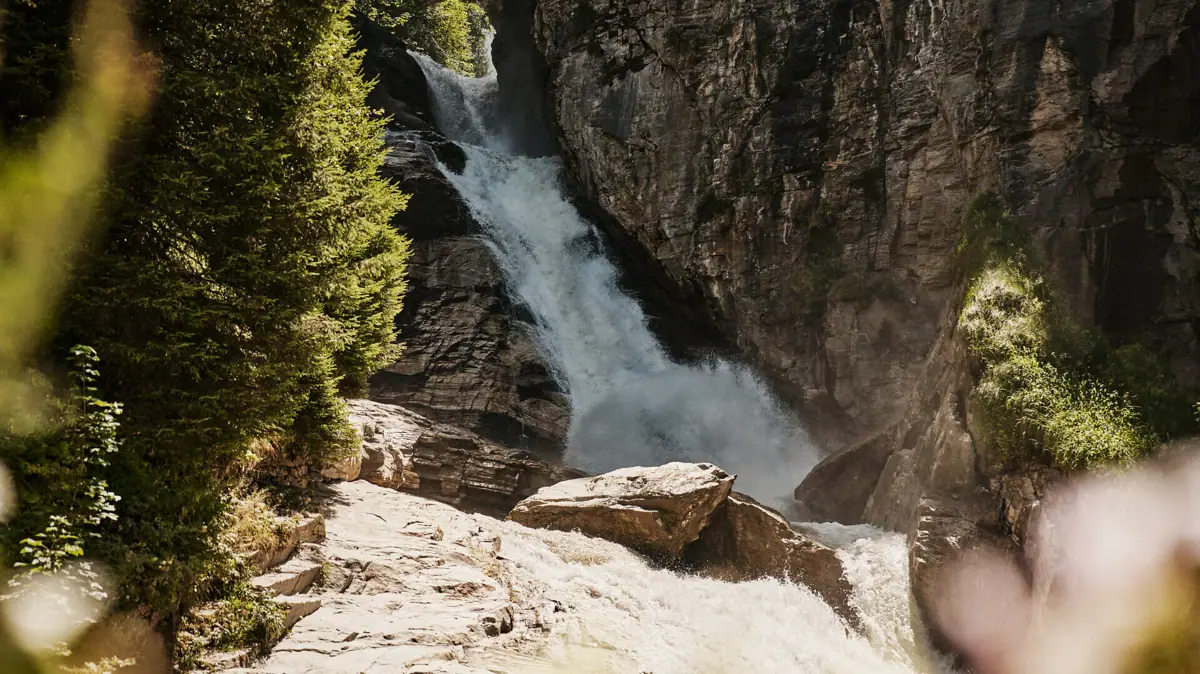
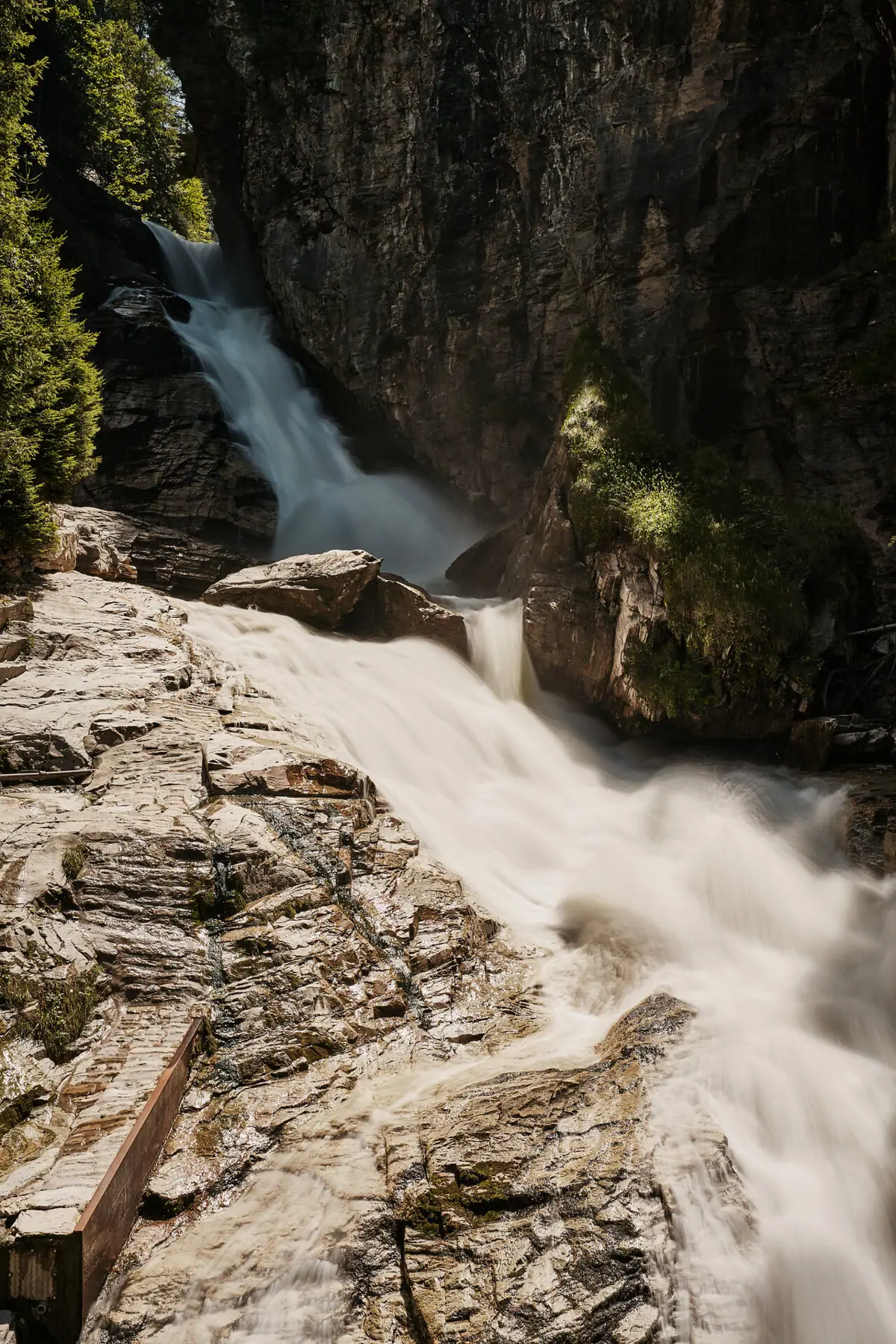
You open the window. Down below, the water rushes; above, the peaks stand out against the vast expanse of the sky. In between lie moments when nothing has yet been decided. No appointments, no plans, no obligations. Here, the day doesn’t begin with noise and hustle and bustle, but with a quiet promise of peace and a slower pace.
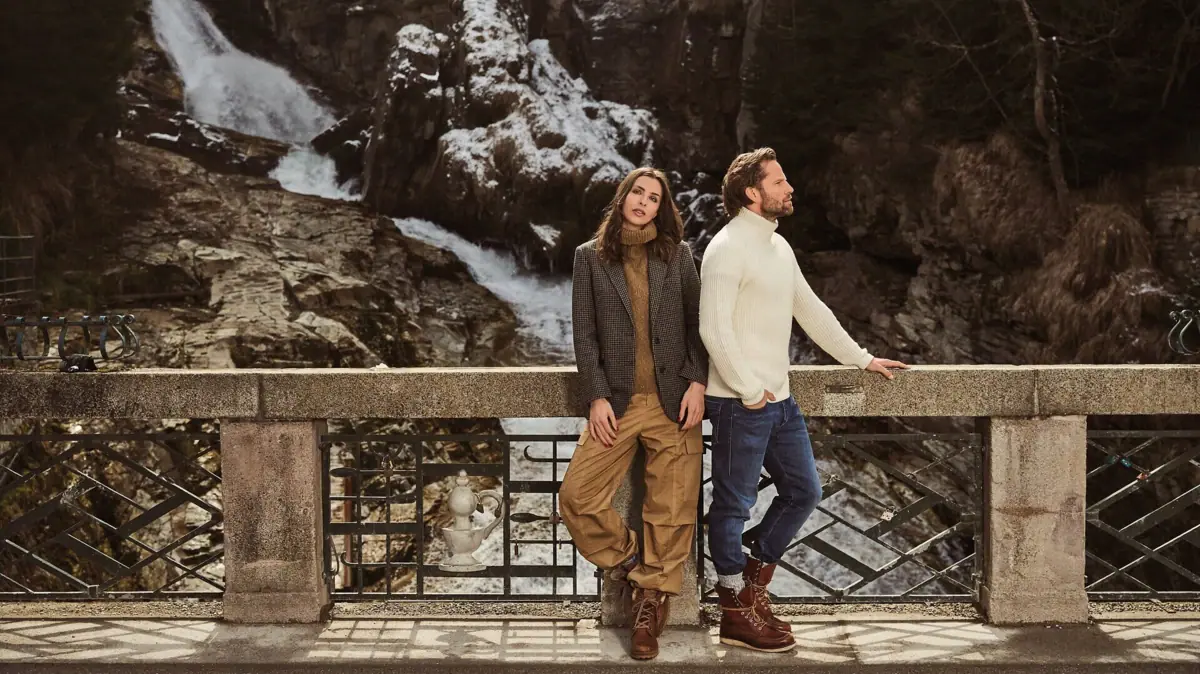
Perhaps your morning begins with a coffee and a view down into the valley, perhaps with a first stroll through the still-quiet alleyways. In Bad Gastein, paths are rarely straight. Stairs lead upwards, narrow passages lead downwards, and bridges connect different levels, constantly opening up new perspectives. The town doesn’t reveal itself all at once. You discover it step by step.
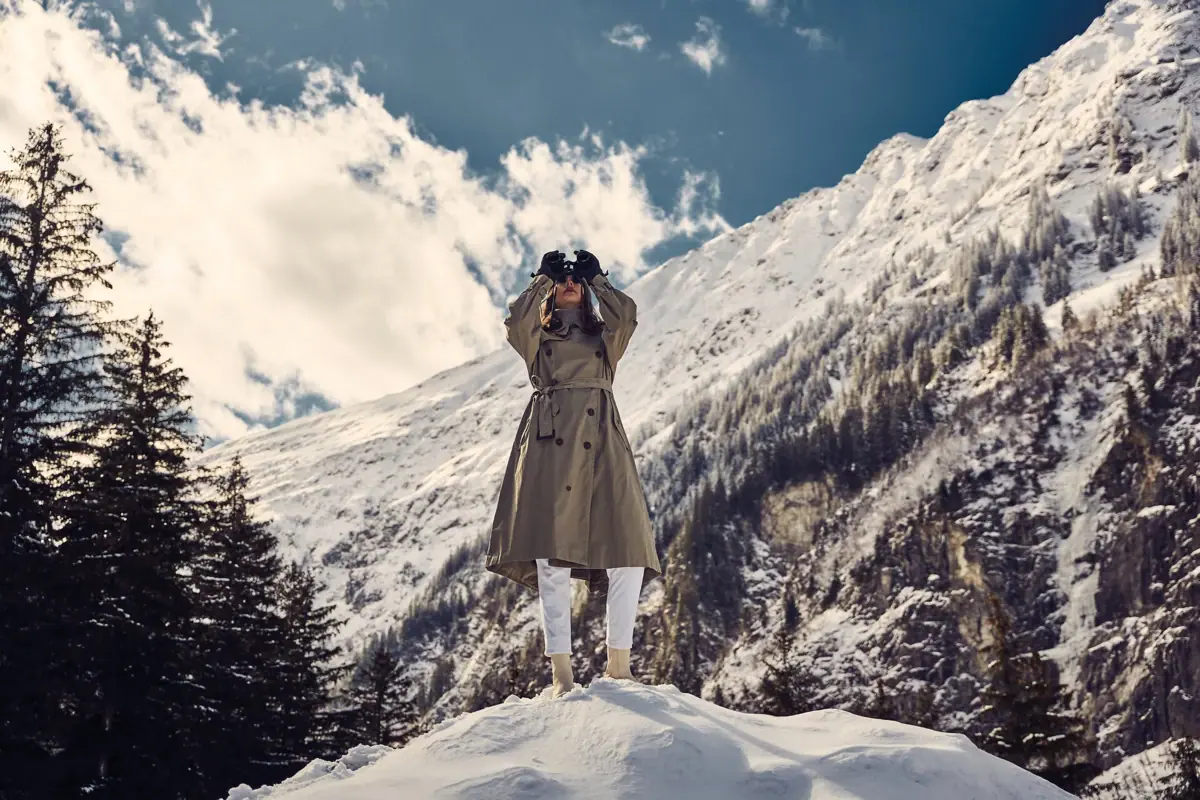
The path upwards, the path inwards
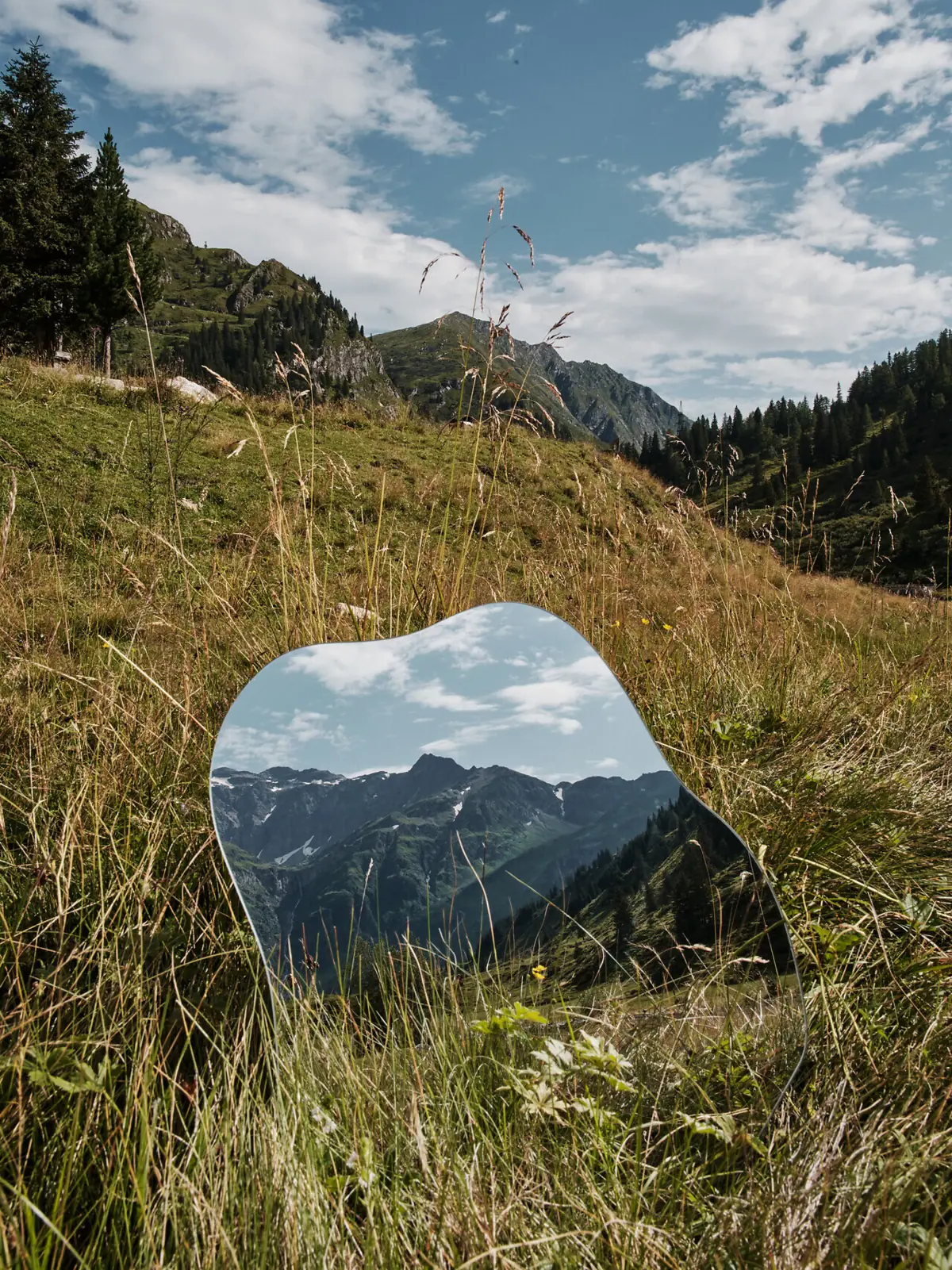
Anyone setting out from Bad Gastein is soon surrounded by nature; the hiking trails begin almost on your doorstep. The path winds through the forest up into the mountains, past moss-covered rocks and shady clearings. The roar of the waterfall gradually fades until it is nothing more than a memory. The further you walk, the more views the valley reveals. Below lies the village, a multicoloured ensemble of roofs and façades, framed by majestic mountains.
Step by step, a sense of distance emerges – not just spatially, but also mentally. The landscape speaks of different scales: of the changing seasons, of the annual rings in old trees, of rock strata that have formed over millennia. Up here, you can sense that time does not merely pass, but leaves its mark – in rock, in wood, in earth – and that, for a moment, you can be part of this greater whole. Once you reach the top, it is not about having reached your destination. It is the journey that clears your mind.
Scenes from Bad Gastein
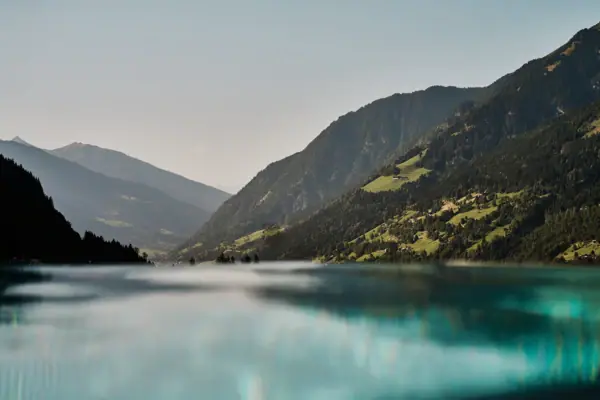
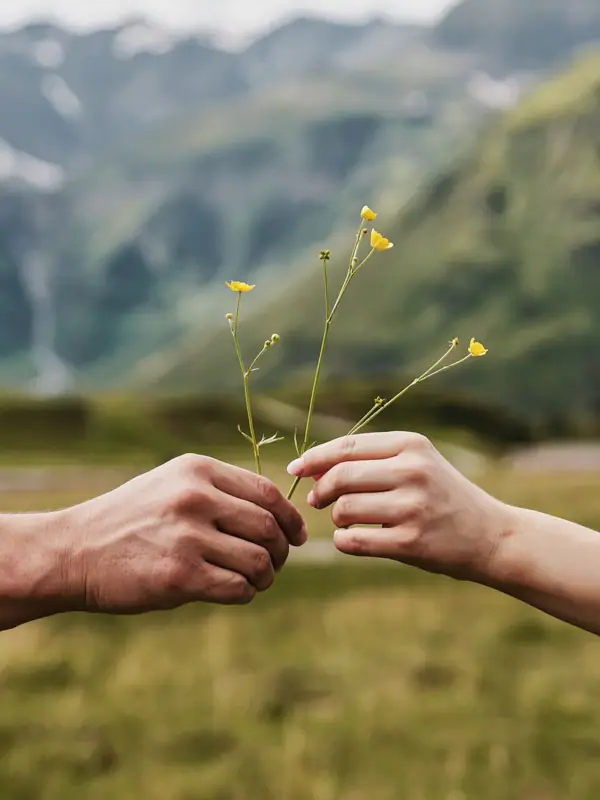
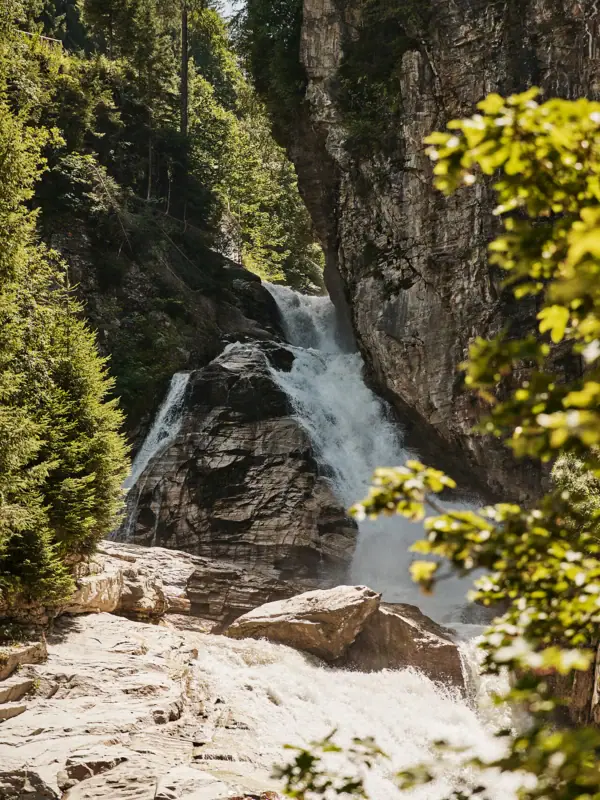
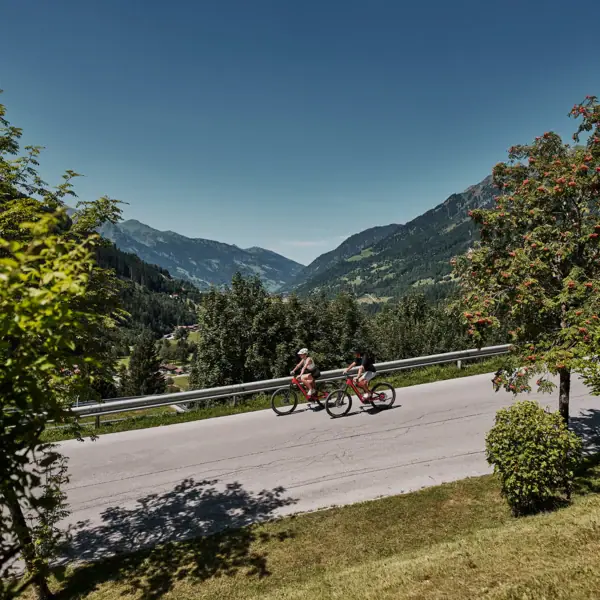
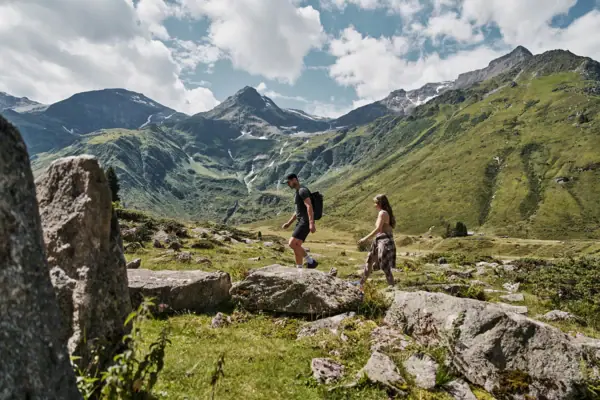
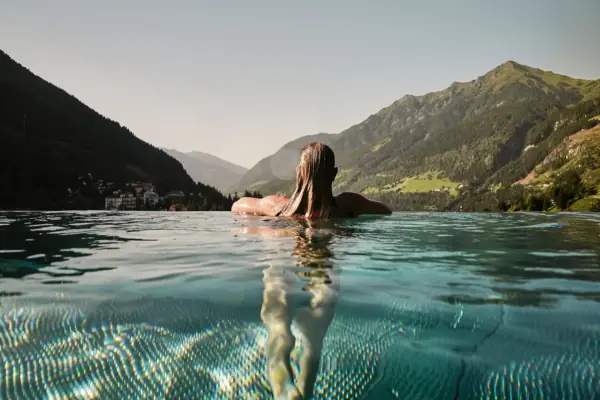
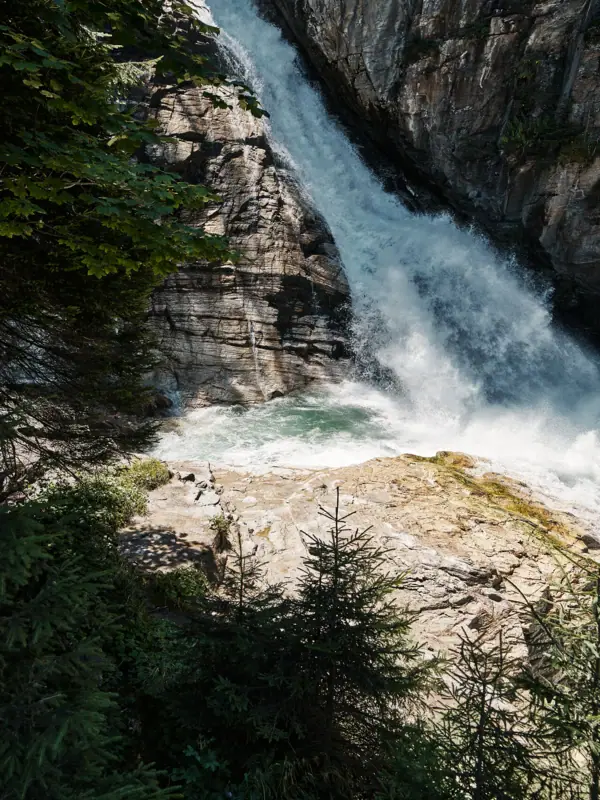

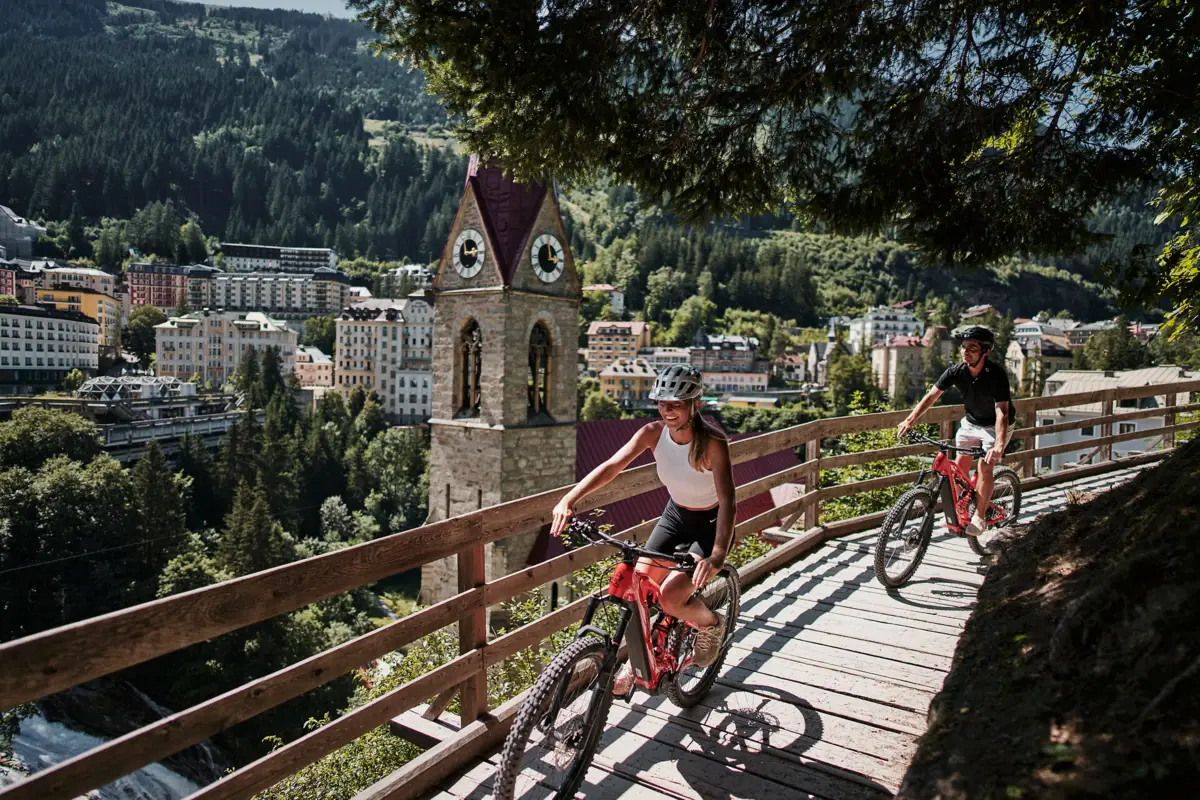
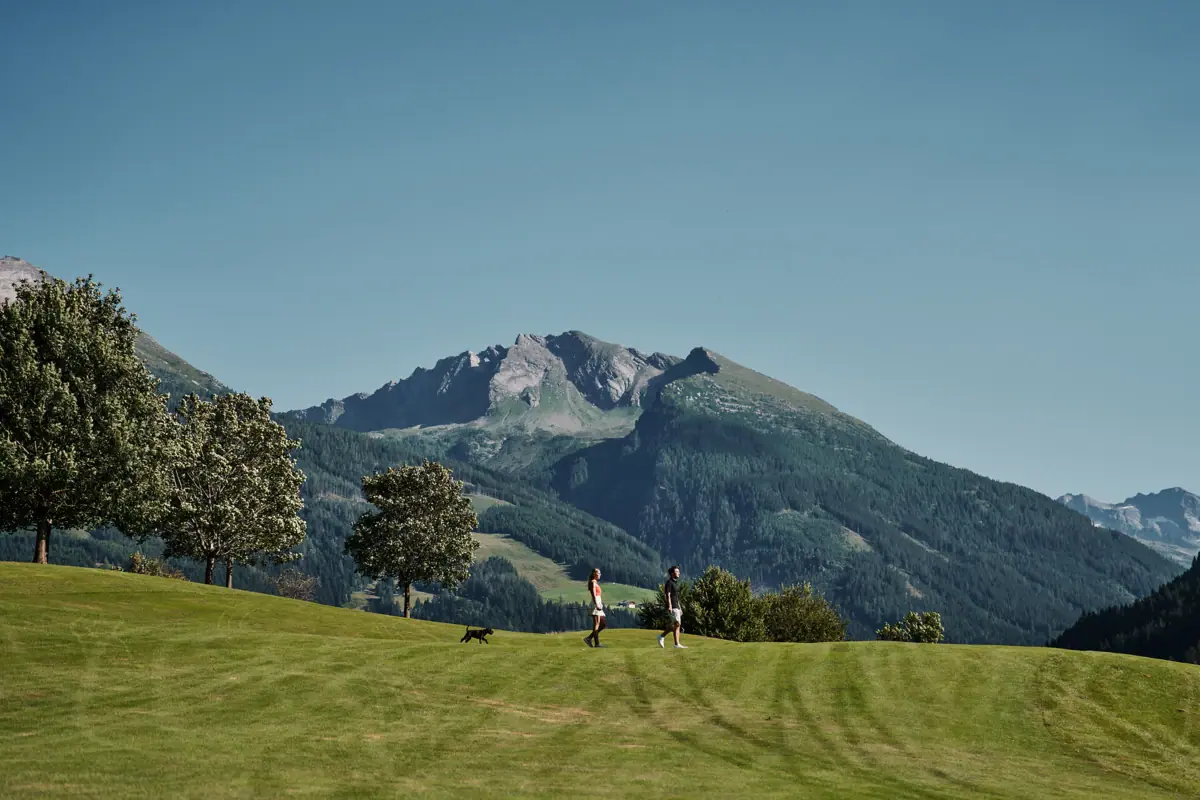
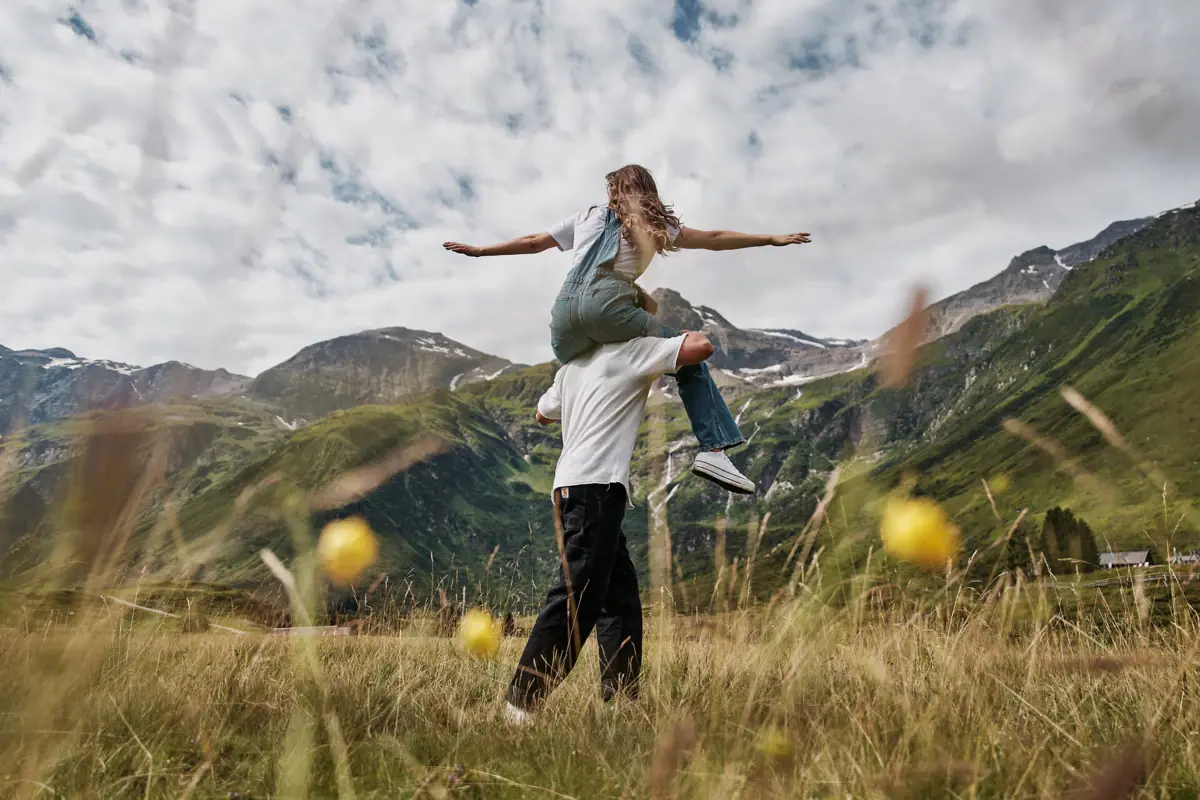
Afternoons in Bad Gastein: Belle Époque & viewpoints
The light changes as the day goes on. When the sun is higher in the sky in the afternoon, it casts shadows on the façades of the Belle Époque houses. Cafés open their terraces, walkers return, and voices mingle with the sound of the water. There are conversations, laughter and brief encounters. No one seems to be in a rush. The place feels lively, but never hectic.
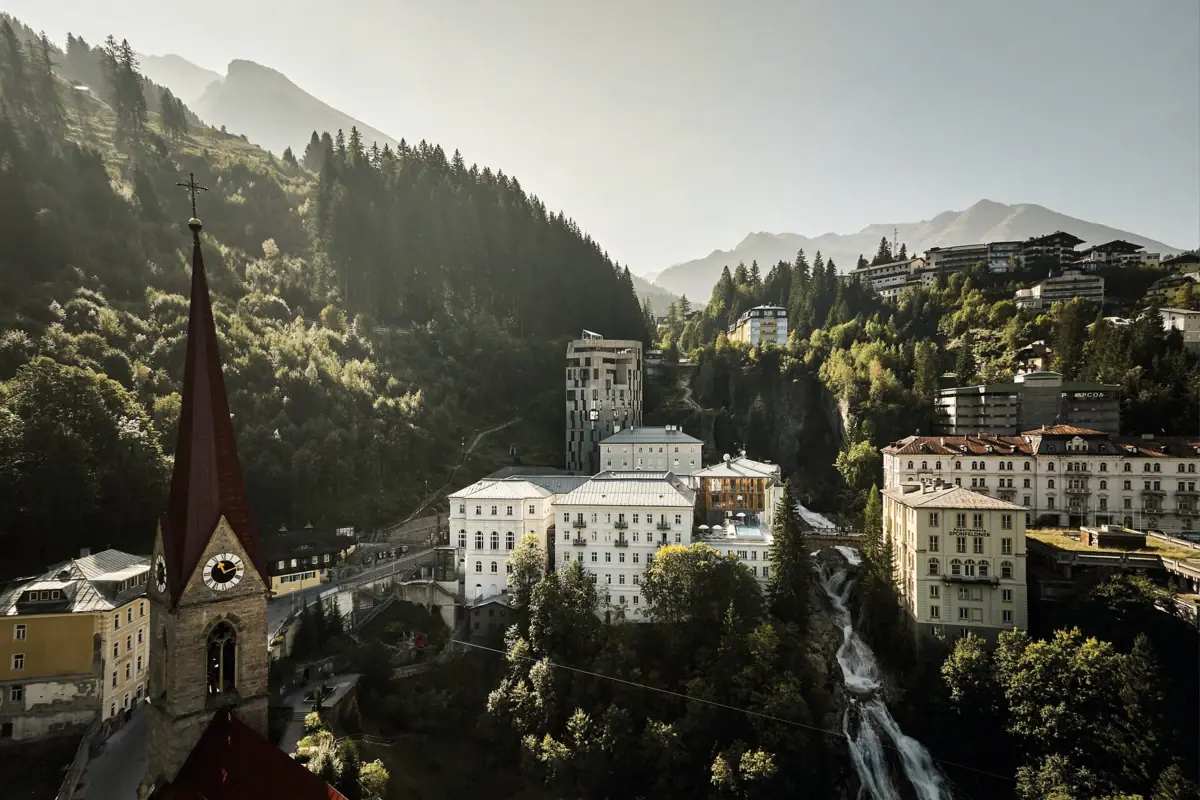
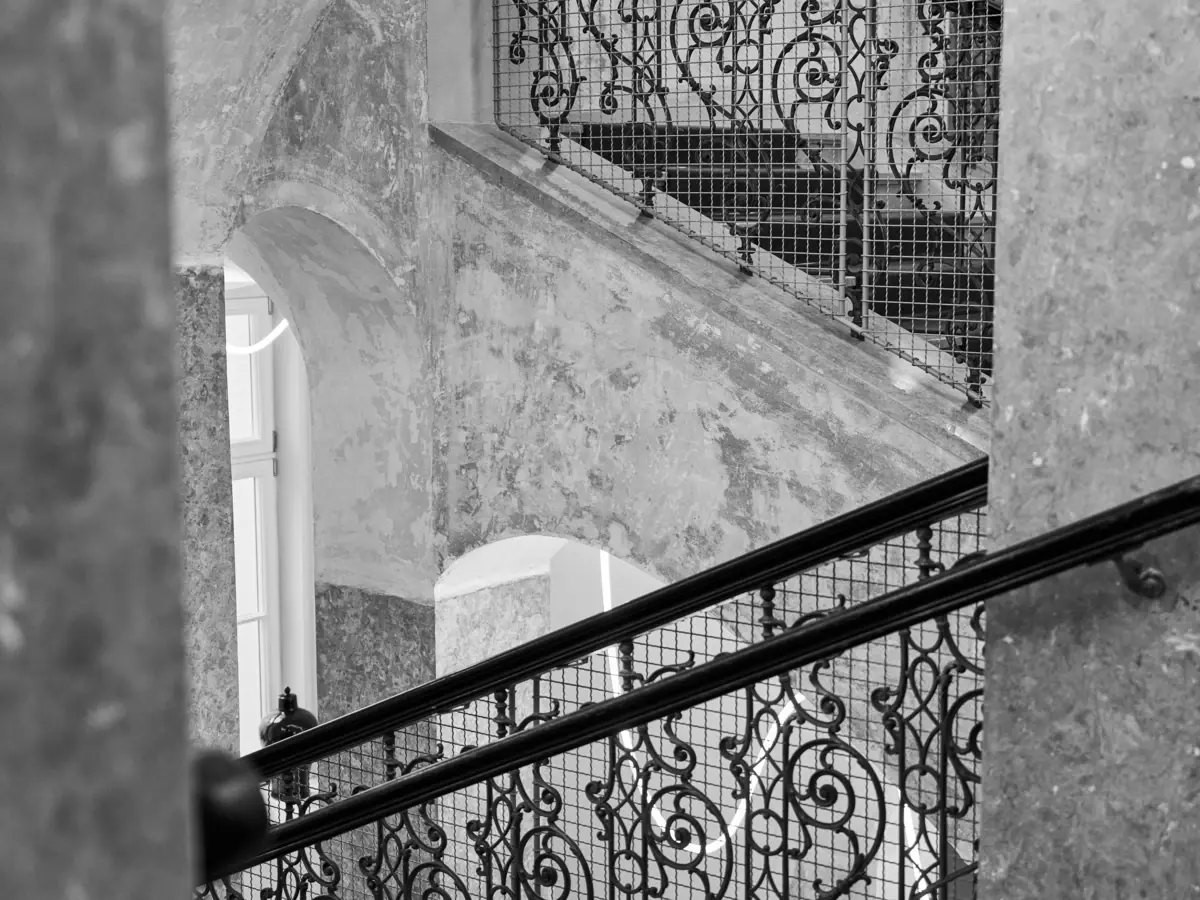
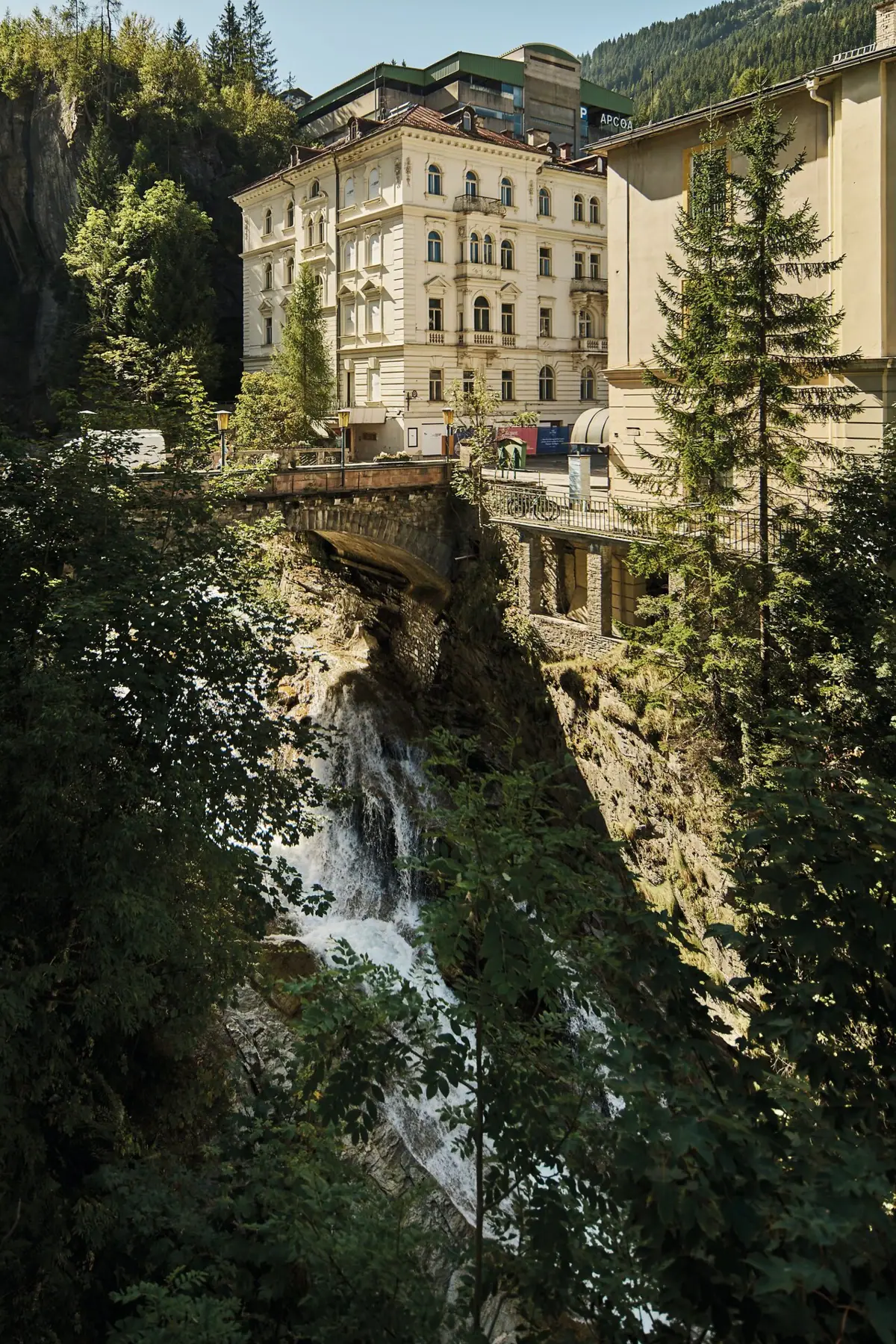
If you visit one of the many viewing points at this time of day, you’ll experience the waterfall in all its splendour. Spray hangs in the air, sunbeams refract through fine droplets, and the steady murmur continues to echo through the alleyways like a natural rhythm. Linger for a moment, let your gaze wander and soak up the atmosphere. Perhaps you’ll discover some small details: the play of light and shadow on the water, artfully designed balconies and weathered walls, the impressive mountain panorama. At this time of day, more than ever, Bad Gastein reveals itself as a blend of spectacular natural scenery and time-honoured architecture.
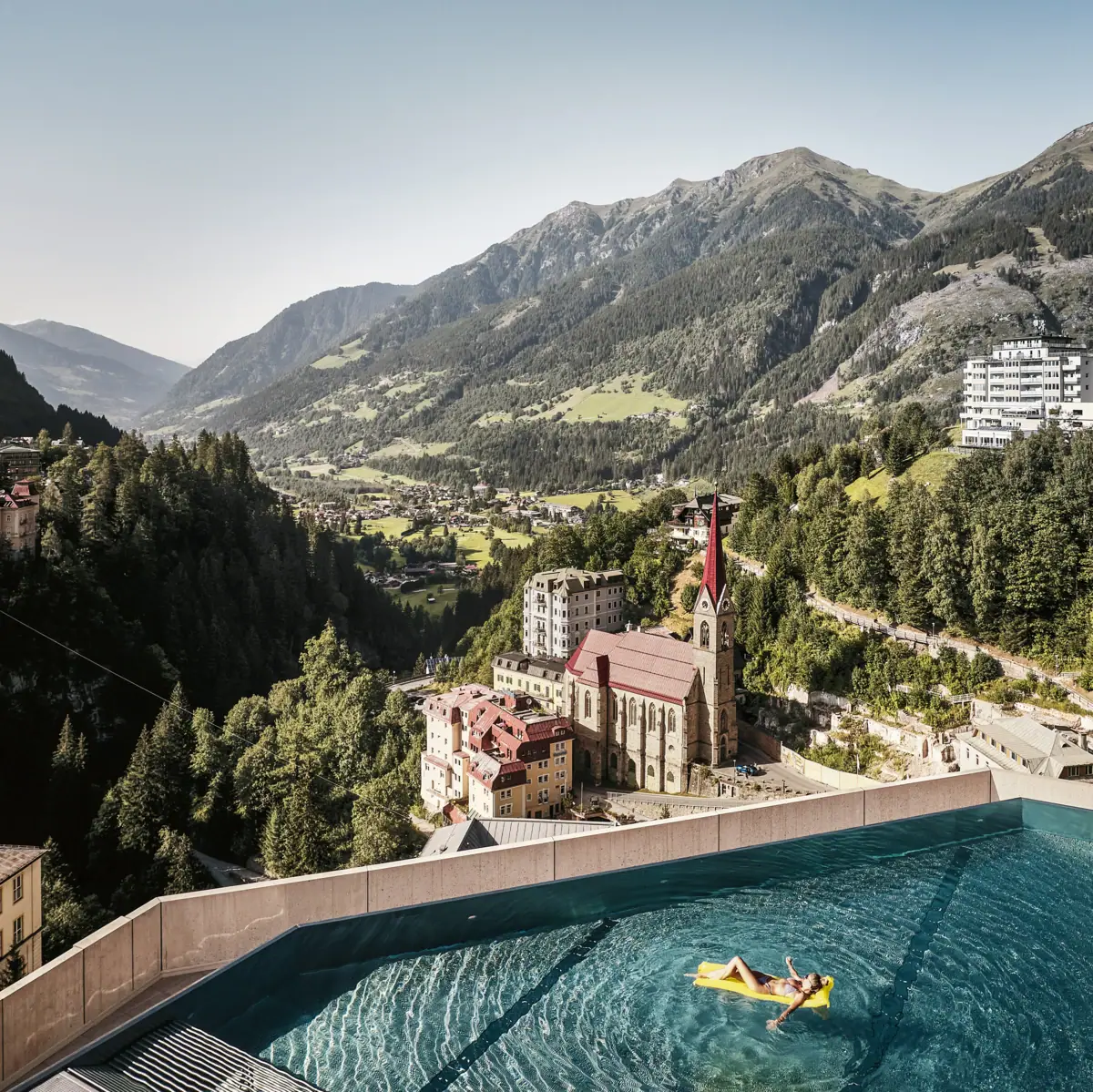
Bad Gastein: A balance between the old and the new
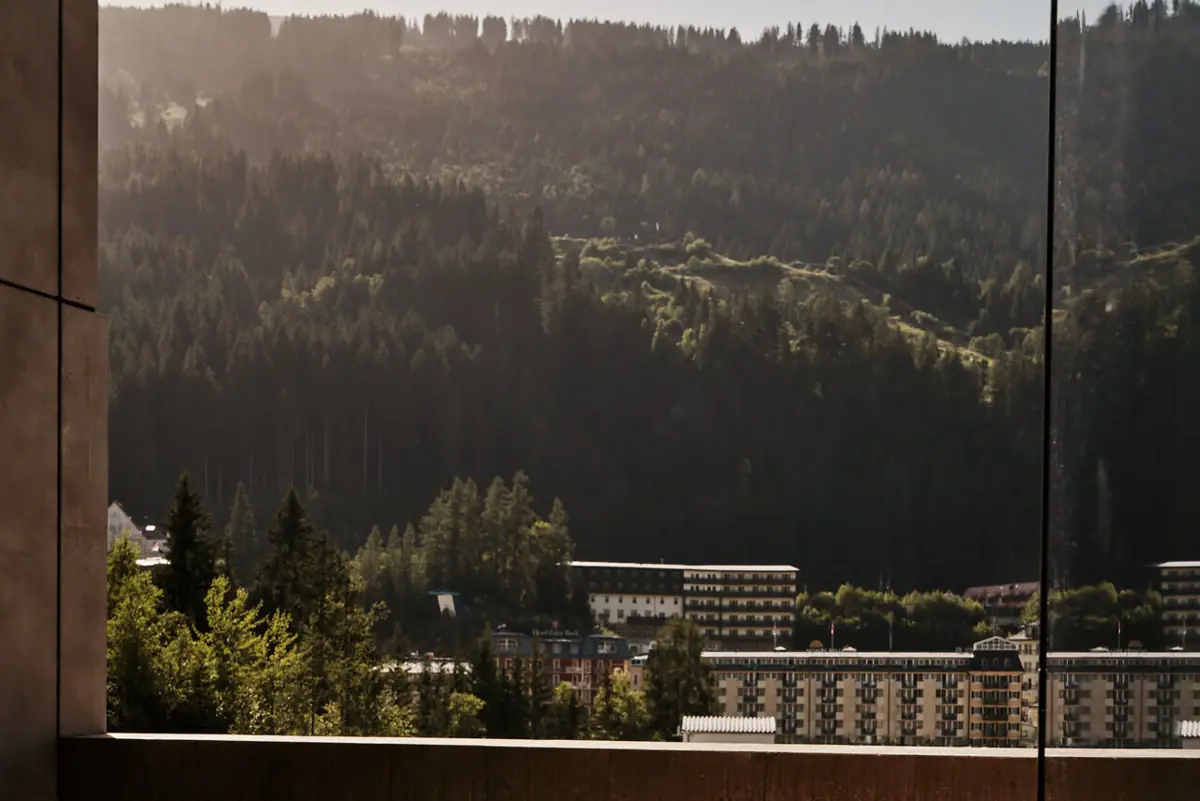
The unique topography shapes every impression. The historic houses are nestled against the steep mountain slopes, standing close together, their tall façades bearing witness to the splendour of bygone eras. Yet at every turn, it becomes clear just how much life these walls hold within them: memories of carefree times, of a cosmopolitan spirit, of moments of deep relaxation and of new inspirations that continue to have a quiet, lasting effect. At times, it seems as though the whole of Bad Gastein is a natural amphitheatre: bridges become vantage points, small squares become stages, and windows become box seats.
The Badeschloss, which has stood here since 1791, blends seamlessly into this picture. As one of Bad Gastein’s oldest buildings, it embodies history without putting it on display – a house that has hosted many famous figures and free spirits and which, as part of the Urban Nature Hotels, now connects history with the present. The historic walls of the old bathhouse meet contemporary architecture: generous glass surfaces, clean lines and a complementary new tower create an ensemble in which old and new, architecture and nature, as well as movement and tranquillity, intertwine harmoniously.
The hour between day and night
In the early evening, the atmosphere changes once again. The light grows warmer, the shadows lengthen, and windows begin to glow. The air is crisp, and conversations shift indoors. It is not an abrupt end to the day, but a gentle transition.
For you, it’s the perfect time to take another stroll through the town of Bad Gastein. The sound of the waterfall now seems calmer. It accompanies you through the narrow streets, past façades that take on a new character in the evening light. Some cafés are still bustling, with muffled laughter spilling out onto the street through open doors. Other buildings are already shrouded in semi-darkness, quiet and peaceful.
In moments like these, it becomes clear what timelessness means here: not a standstill, but tranquillity and serenity. The day’s impressions settle in of their own accord. And as you continue on your way, the shift from light to darkness, from activity to tranquillity, blends quite naturally into the rhythm of the town.
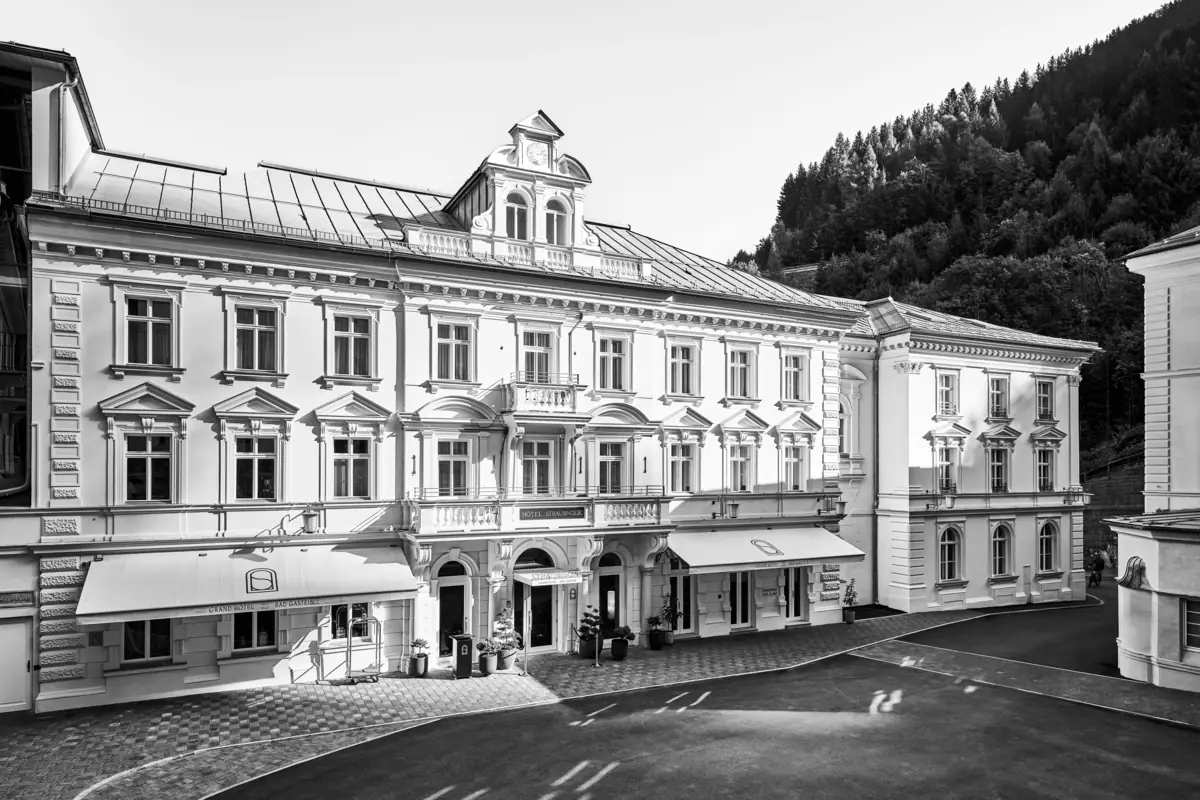
A-ROSA Straubing Grand Hotel
A legendary location right next to the waterfall
Excellent service with style – personal, charming and unobtrusive
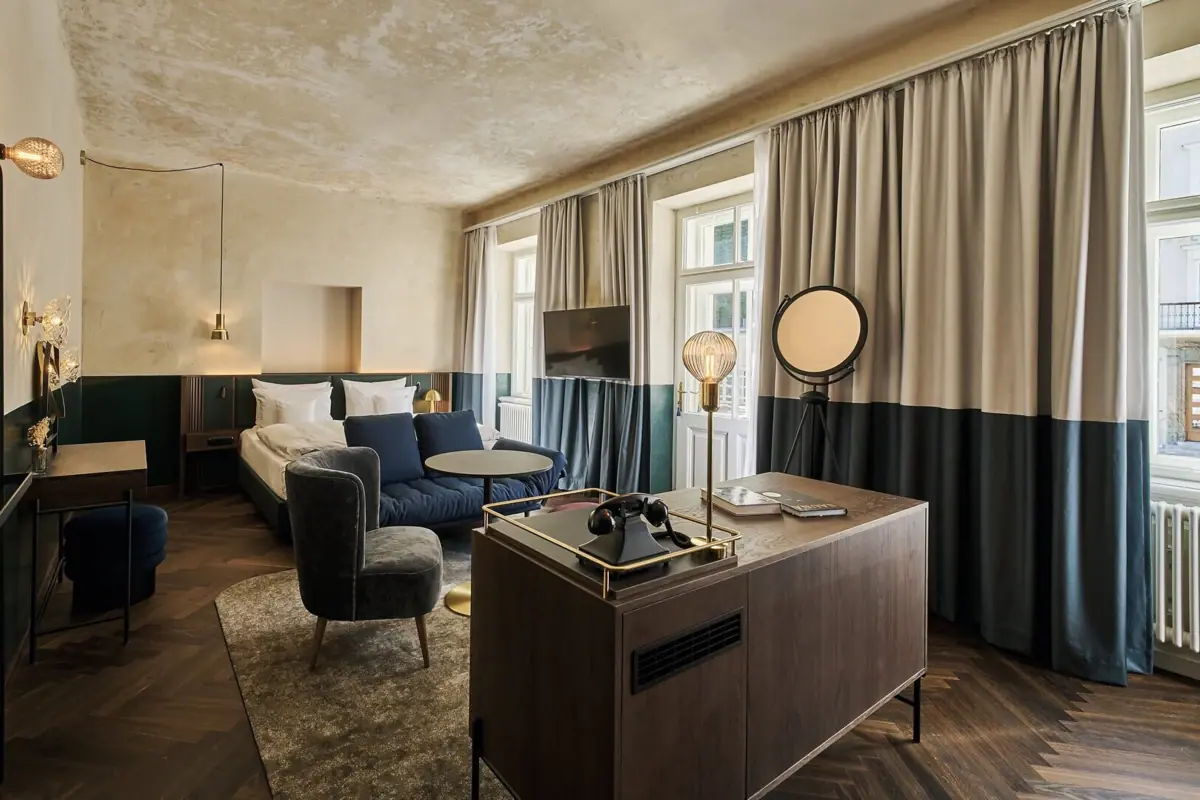
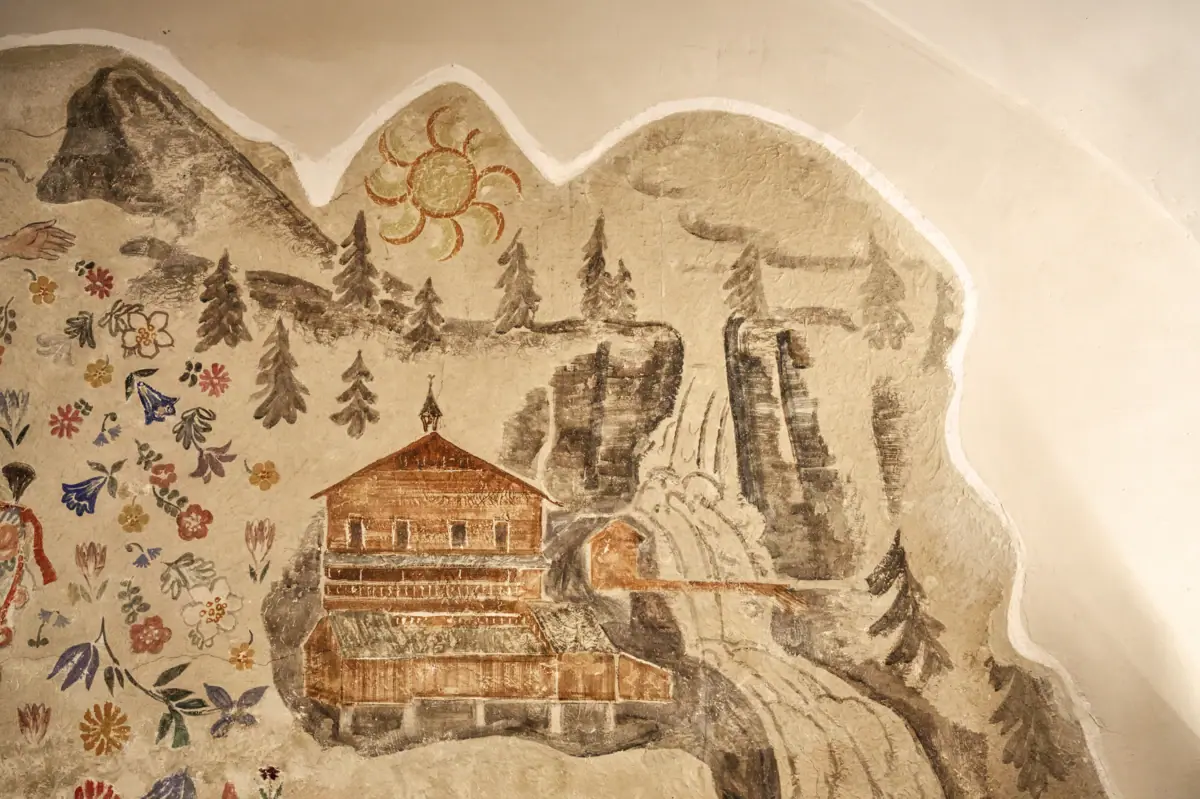
A focus on exclusivity – unique rooms and elegant details
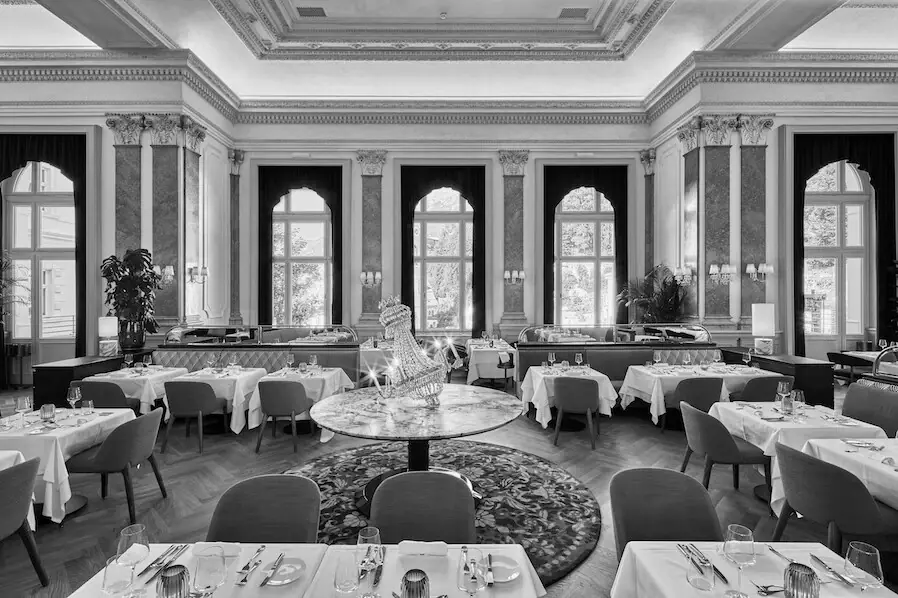
French Alpine fine dining – culinary delights of the highest calibre
Adults-only Grand Hotel (ages 14 and over)
About the author:
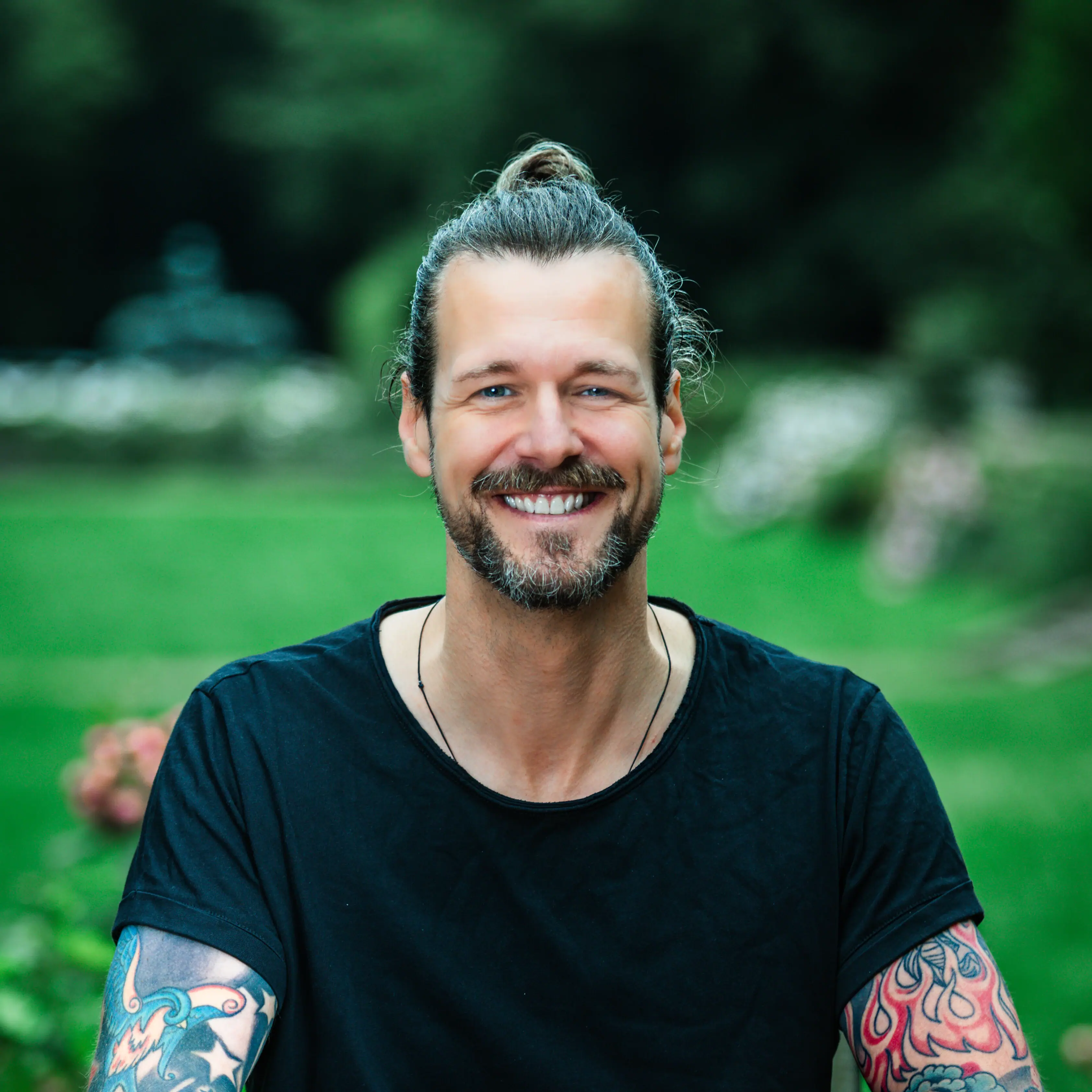
Erik Gürges
Erik Gürges studied Media Studies and American Studies at Philipps University of Marburg. His professional career began, quite literally, with the big screen – namely in the external press office of the film studio MGM. Since 2010, as a freelance copywriter, he has been helping individuals, companies and agencies across a wide range of sectors to find the right words to describe their products, ideas and services. As a certified AI manager, he also oversees projects focusing on the effective use of artificial intelligence in communication and content.