La dolce vita: A pizza recipe from Lake Garda
How scarcity gave rise to great cuisine. And why three good ingredients beat any overloaded plate.
It is one of Italy’s delightful paradoxes that a great cuisine emerged from scarcity. Here, the best is created from what is lacking. Anyone who thinks this is easy has never tried it. Knowing what to leave out is the hardest part of cooking.
The flavour lies in its origins
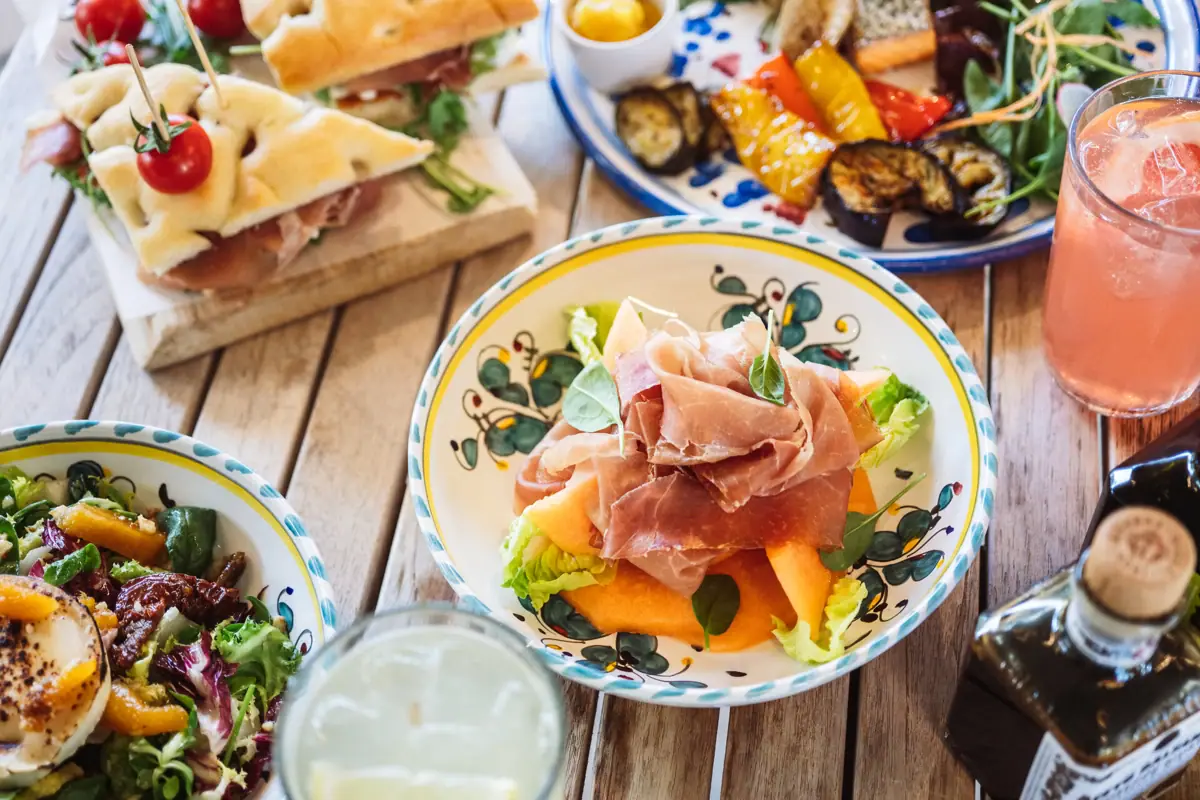
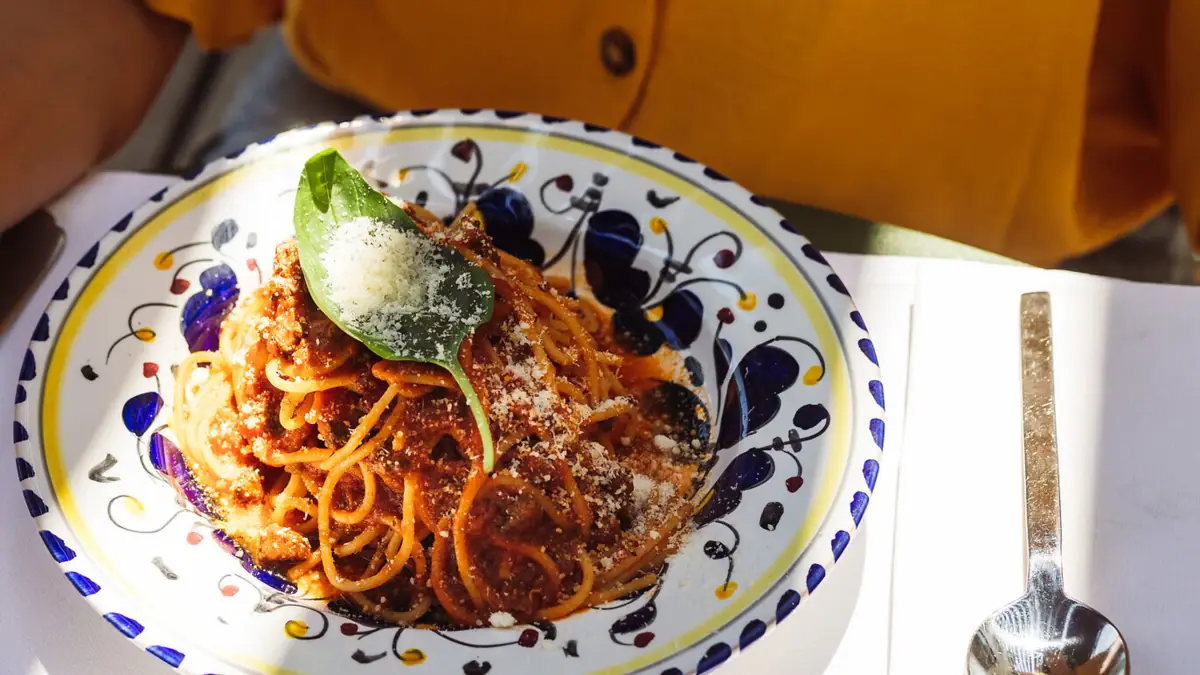
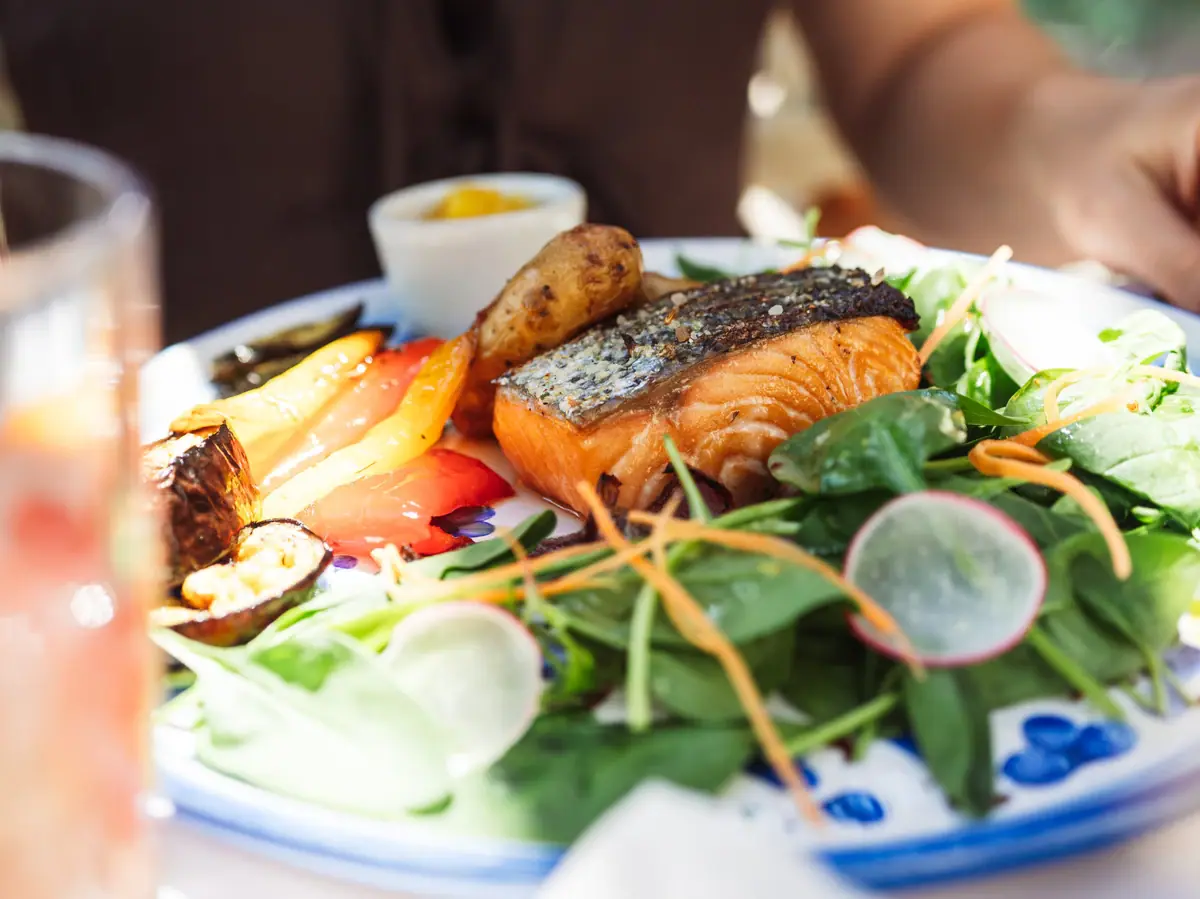
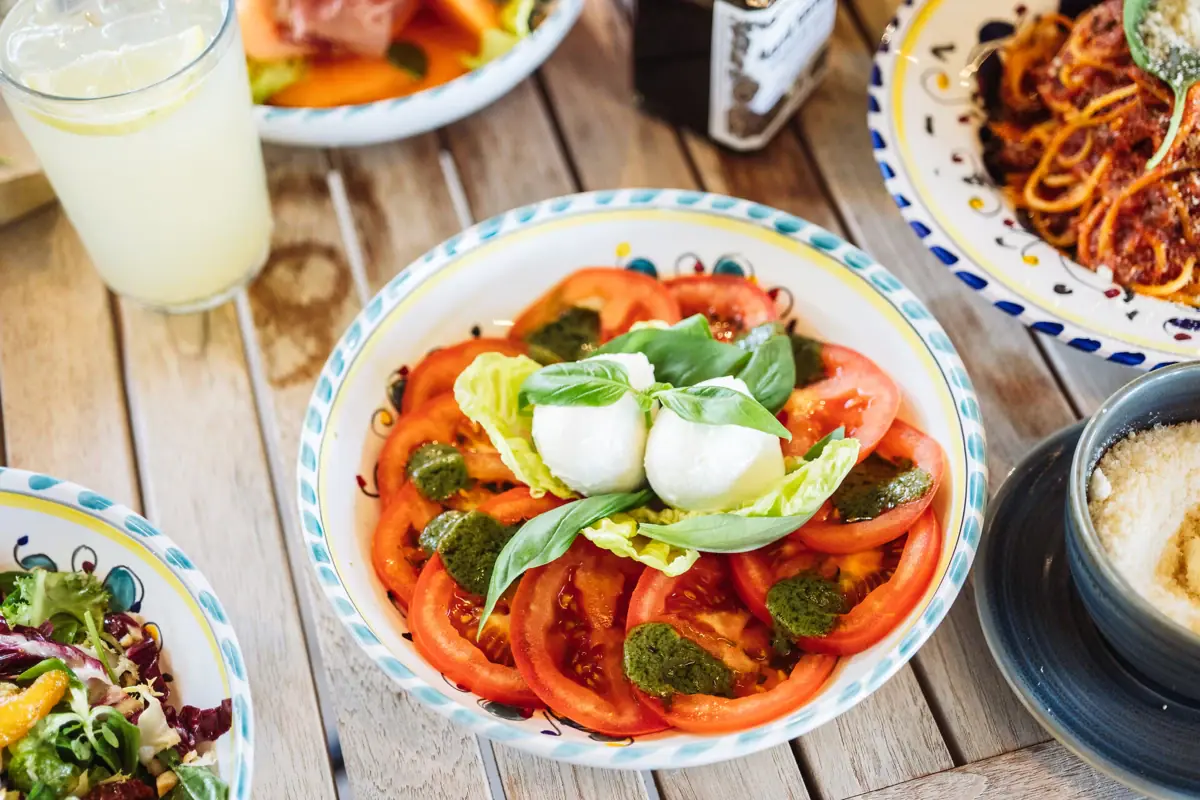
Grating cheese over a seafood pasta dish is considered sacrilege in many places, and anyone who defends the Margherita in Naples is defending more than just a recipe. What may seem like fussiness to the outsider is actually respect for the ingredient: you don’t pour anything over good fish that overpowers its own flavour.
This shifts, almost imperceptibly, the crucial question. It is not what you put on your plate, but what you buy. A pasta aglio e olio is ready in minutes, yet is only as good as the oil that gives it its character. Burrata calls for a tomato that has truly seen the sun. And no spice can replace a fish that was still swimming that very morning. Thus, this supposed modesty turns out to be its opposite: pure self-assurance. Italy adds nothing extra, because the best is already to be found right where it comes from.

A lake with a Mediterranean soul
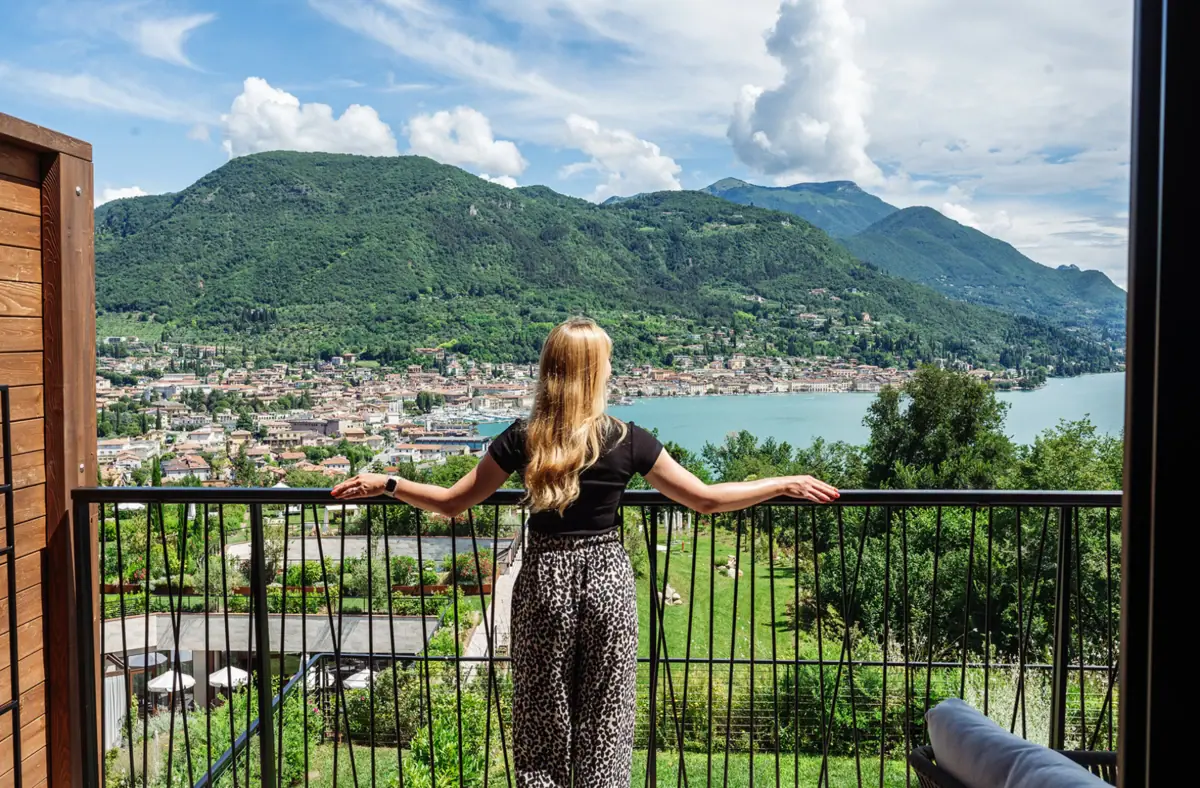
Nowhere is this more evident than at Lake Garda, that Mediterranean spot at the foot of the Alps which, geographically speaking, really ought not to be here. Olives and lemons ripen at an altitude almost on a par with Milan – a place where one would expect fog and snow – because the lake’s vast body of water tempers the cold and creates a climate that one would hardly expect to find up here. Over the centuries, people built their ‘limonaie’ – walled lemon groves – which form part of the region’s distinctive cultural landscape.
You can taste this unique setting in every bite: in the light, mild olive oil, in the wine from the surrounding hills, and in the delicate fish from the lake itself. And when evening bathes the water in soft light, you realise that no great effort is needed when a place already has everything it needs.
The scent of Italy in your own home. Fresh from the oven.
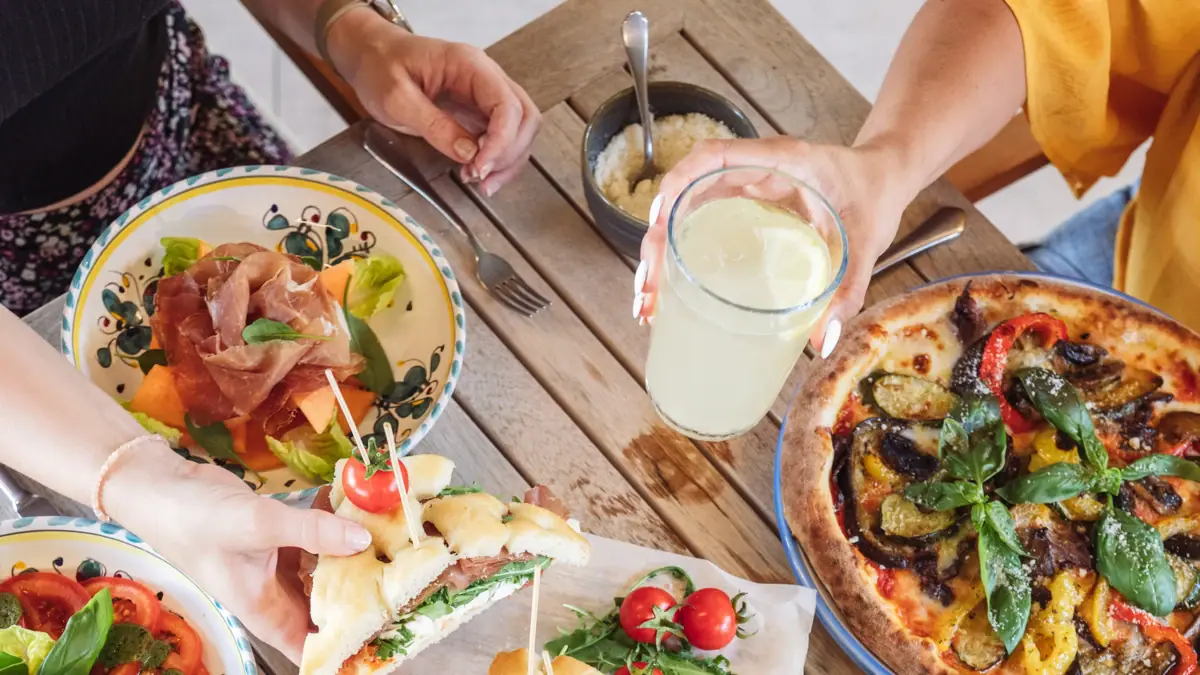
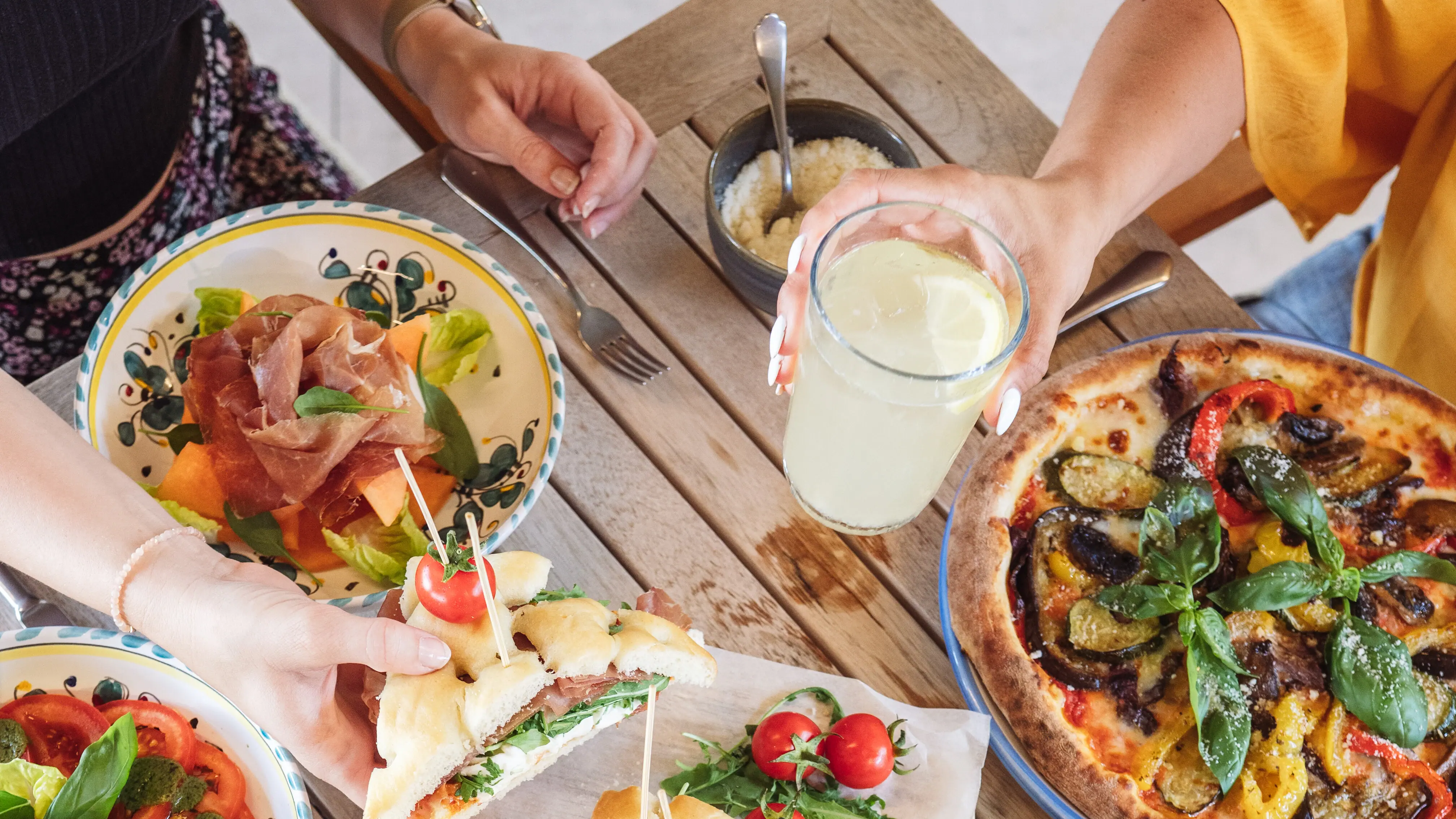
Above Salò, on the western shore of Lake Garda, there’s a sense of southern lightness in the air. At the pizzeria at the A-ROSA Gardasee, the pizza chef brings this to your plate: a few, high-quality ingredients and a light, airy dough that’s been given time to rise. A slice of ‘dolce far niente’ that you can take home with you.
Ingredients
for 4 pizzas
For the dough: 600 g Tipo 00 flour, 390 ml water, 18 g salt, 2 g fresh yeast, 1 tbsp olive oil
For the sauce: 400 g passata, 1 clove of garlic, 2 tbsp olive oil, salt, 1 tsp basil, 1 tsp oregano
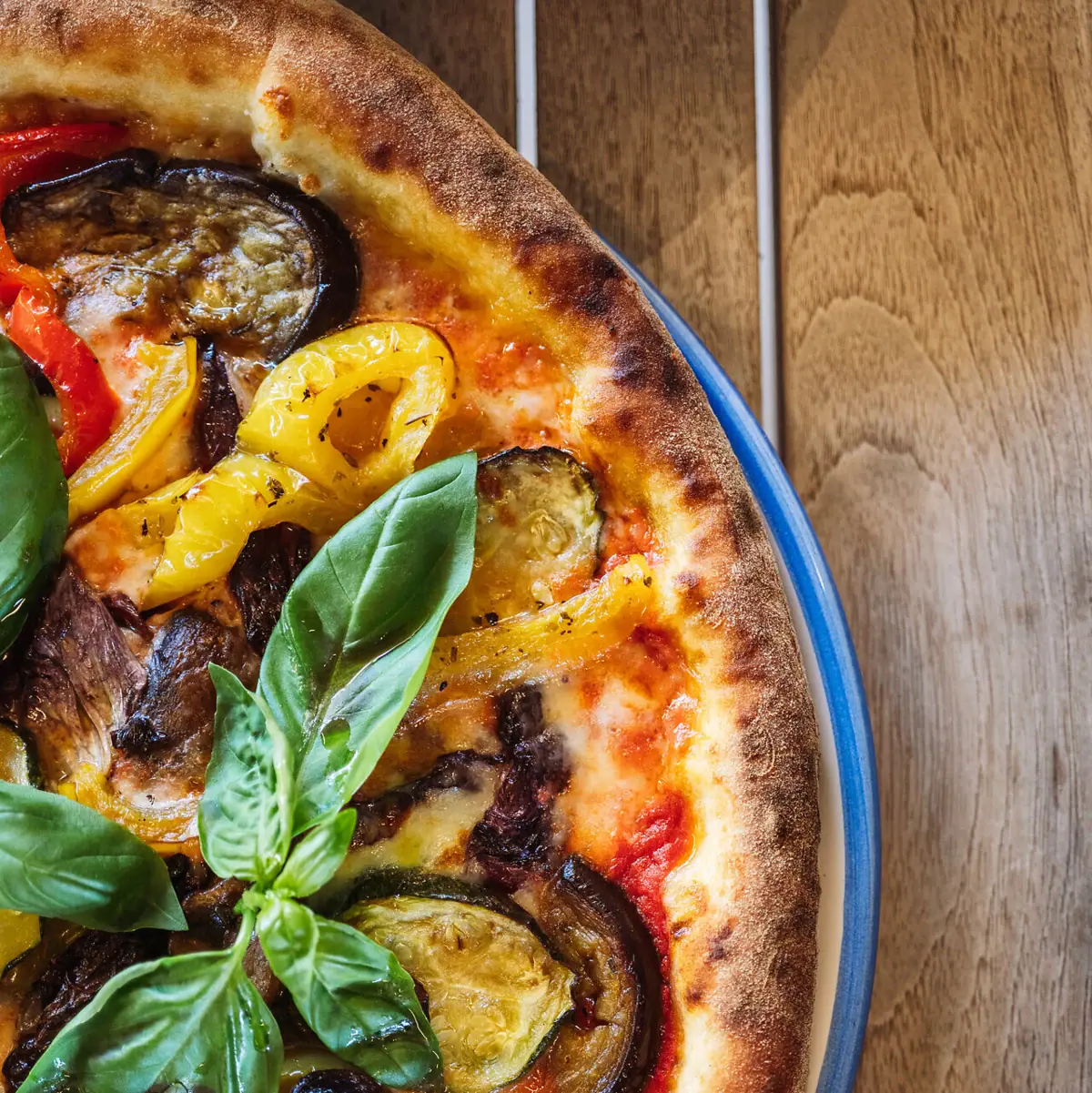
For the toppings: 1 aubergine, 1 courgette, 1 red and 1 yellow pepper, 200 g brown mushrooms, 1 red onion, 250 g mozzarella (Fior di Latte), fresh basil, good-quality olive oil
Method
Dissolve the salt in the water, then knead in the flour and yeast (10 to 15 minutes). Leave the dough to rest for 1 to 2 hours, then leave it to prove in the fridge for 24 to 48 hours. This resting period makes the base light and easy to digest.
Shape the dough into four balls of about 250 g each and leave to rise at room temperature for 4 to 6 hours.
For the topping, slice and strip the vegetables and sauté them in a pan with oil and salt until they start to brown. This ensures the base stays crispy later on.
For the sauce, heat the olive oil in a second pan and briefly fry the crushed garlic clove until fragrant. Add the passata, season with salt, basil and oregano, and simmer gently for 15 to 20 minutes until the sauce is thick and creamy. It shouldn’t be too runny. Remove the garlic clove before adding the toppings.
Stretch out the dough with your hands, leaving a thick rim. Spread the sugo, mozzarella and vegetables sparingly over the top.
Bake the pizza at 250 to 300 °C on a preheated stone or baking tray for 6 to 8 minutes. Finish with fresh basil and a drizzle of olive oil.
The pizzaiolo’s tip for your home oven:
If you don’t have a wood-fired oven at home, dissolve the yeast in water with a little honey and two tablespoons of flour, then leave it to stand until it foams. This gives the yeast a head start and gives the base a lovely golden colour that a domestic oven would otherwise struggle to achieve. Only add the salt afterwards, along with the remaining flour.
Our pizza chef’s advice: “Less is more.”
Too many toppings squeeze the air out of the dough, leaving the base heavy and the crust thin. A few carefully chosen ingredients, spread lightly, give the pizza its lightness.
Buon appetito and best wishes from the A-ROSA Gardasee in Salò.